
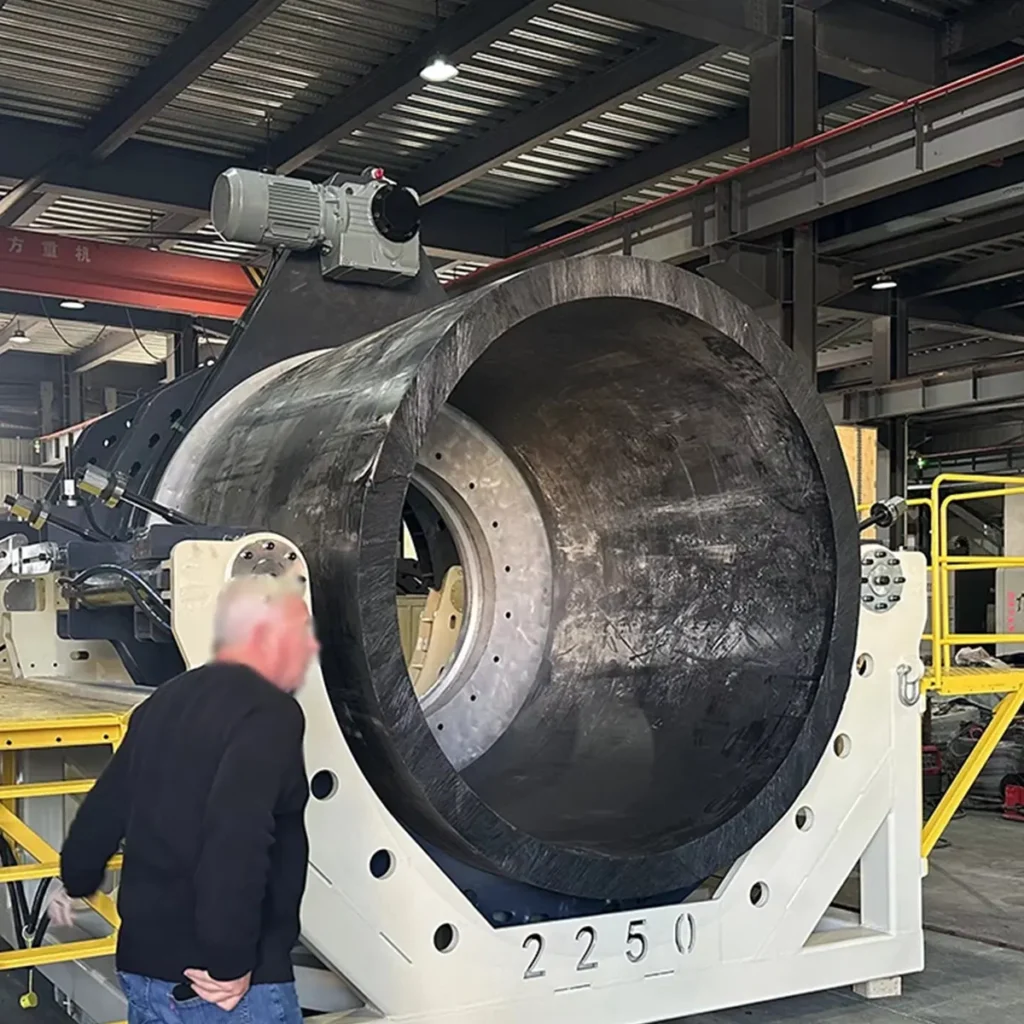
Choosing the right hydraulic butt fusion machine maker in Benin is a critical step for contractors, municipal utilities, and infrastructure developers working with HDPE pipelines. The right supplier reduces downtime on projects like potable water networks, irrigation schemes, and industrial piping, while providing durable equipment suited to local conditions around Cotonou, Porto-Novo and rural sites across the country.
Understand Benin’s on-the-ground needs
Benin’s construction and utilities market often faces logistical challenges: humid coastal climate, remote rural work sites, and reliance on imported spare parts. Choose a maker that designs machines for robust outdoor use, offers accessible support and understands shipping via the Port of Cotonou. Machines that are easy to operate by local technicians and that come with clear operation manuals and training materials in English and French will save time and money.
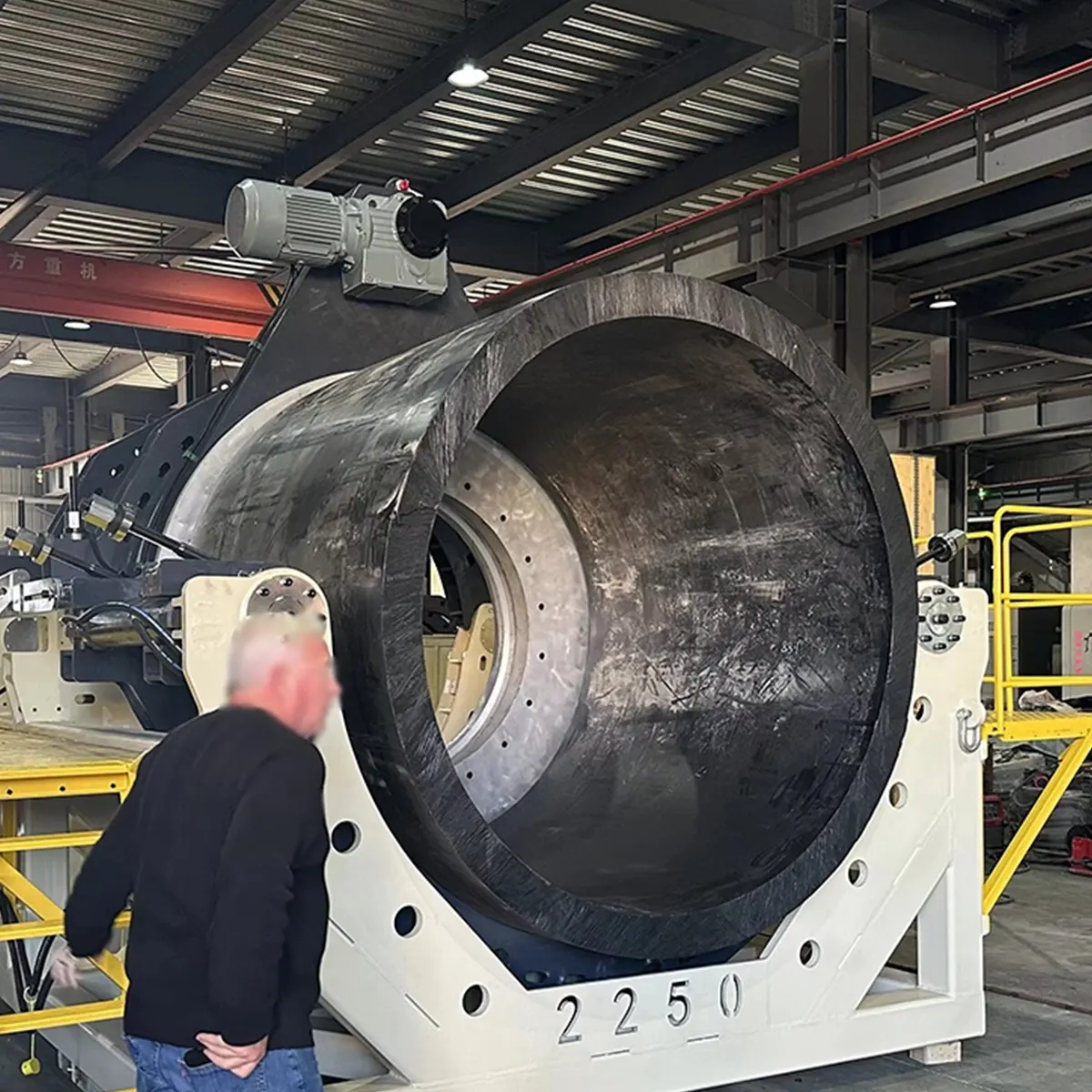
Top selection criteria for a hydraulic butt fusion machine maker
Focus on these practical and commercial factors when evaluating manufacturers or distributors serving Benin.
| Criteria | Why it matters |
|---|---|
| Build quality & durability | Resistance to humidity, corrosion and heavy site use reduces service calls in Benin’s climate. |
| After-sales support & parts | Quick access to spare parts and local or regional service minimizes project delays. |
| Certifications & testing | ISO/CE and welding procedure validation ensure weld quality for water and gas safety requirements. |
| Training & documentation | On-site or virtual training, plus clear manuals, improves local operator competence and safety. |
| Customization & range | Ability to supply small portable units up to large-diameter hydraulic frames for trunk mains. |
Build quality & design features to check
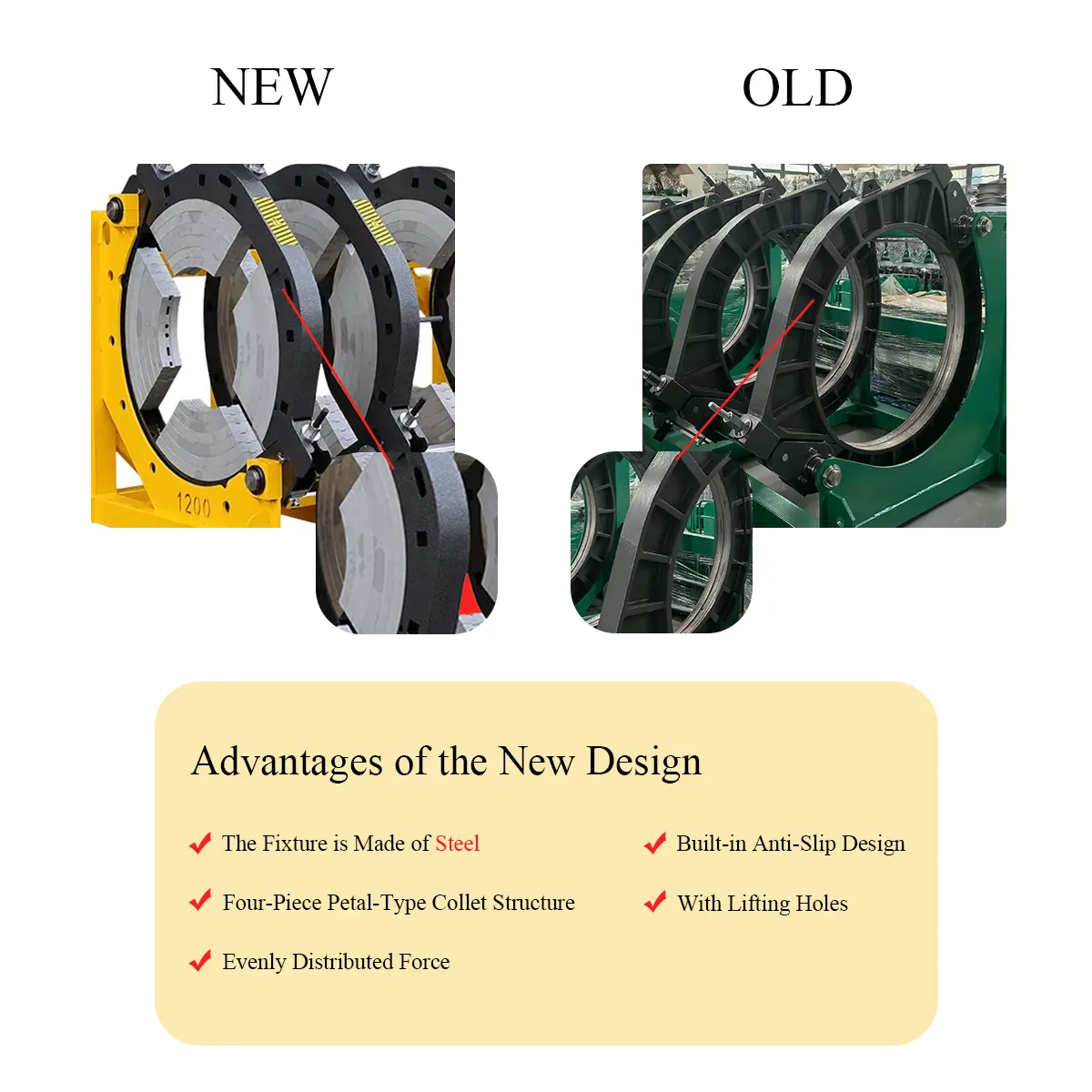
Look for hardened clamps, sealed hydraulic systems, precision alignment guides and replaceable heating plates. Machines with modular components simplify on-site repairs and reduce the need to return units for factory overhaul.
After-sales service and spare parts
Suppliers who stock common spare parts or partner with regional distributors are invaluable. Confirm lead times for items like heaters, hydraulic seals, and clamps — shipping to Benin can be affected by customs and transit schedules. Ask about local technician support or remote troubleshooting via phone or video calls.
Certifications, calibration and weld traceability
Certified makers provide documented welding procedures, calibrated hydraulic gauges and fusion records. For municipal and donor-funded projects in Benin, traceable weld data and compliance with international standards can be compulsory.
Training, manuals and operator support
Prefer manufacturers offering comprehensive training packages: instructor-led sessions, multilingual manuals, and start-up assistance on first projects. Training reduces welding defects and improves safety for local crews in Benin.
Logistics, warranty and total cost of ownership
Initial price matters, but so do warranty terms, consumable costs, and expected lifetime. Evaluate the total cost over years: machine longevity, cost of heaters and clamps, and the warranty response time. Verify export packaging and documentation to ensure smooth customs clearance at the Port of Cotonou.
Questions to ask any prospective maker
Do you provide training in French? What is your lead time for spare parts to Benin? Can you share client references for water or infrastructure projects in West Africa? Are machines tested under humid or coastal conditions? Request sample weld records and certificates.
Why choose a reputable manufacturer like JQ-Fusion
JQ-Fusion manufactures a wide range of HDPE welding equipment, from manual to hydraulic and CNC automatic butt fusion machines, and can supply units optimized for Benin’s needs. They offer tailored solutions, technical documentation, and can support project deployment with spare parts and after-sales guidance.
Next step: compile a short checklist from the criteria above, get quotes from two or three makers, and request sample weld reports and lead time commitments. Contact manufacturers with clear project details — pipe sizes, expected daily weld length, site access and preferred training language — to get accurate proposals and avoid surprises.



