
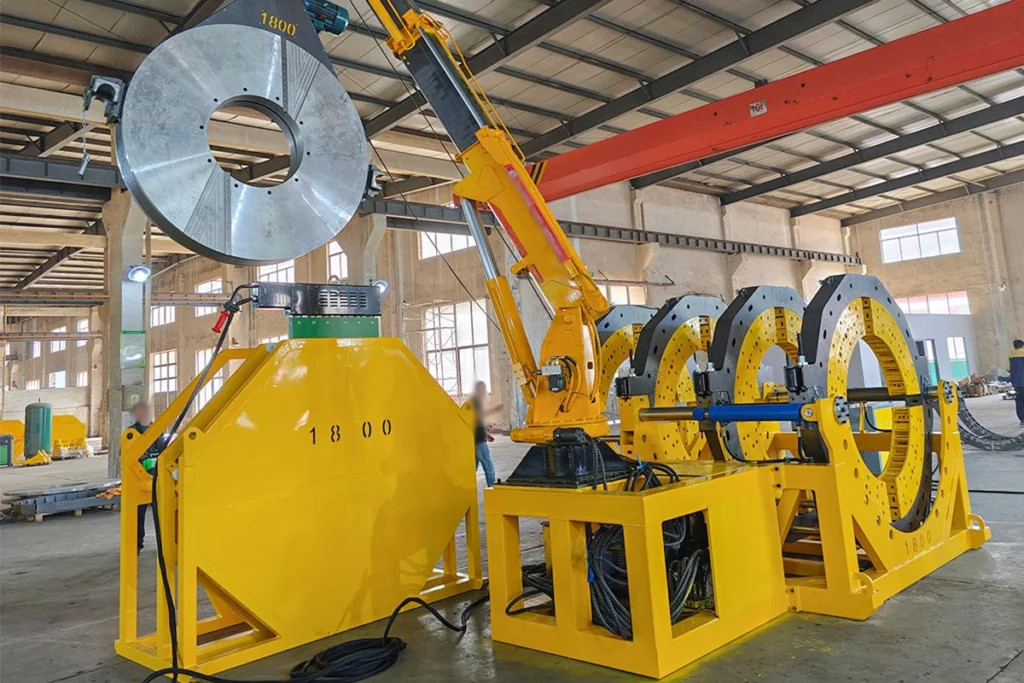
Mobile pipe field welding systems bring precision and productivity directly to pipeline construction and repair sites. Combining robust butt-fusion and electrofusion technologies with on-site mobility, these systems reduce downtime, improve joint quality, and keep projects on schedule across municipal water, gas distribution, mining, and industrial pipeline networks.
Why Choose On-Site Pipe Field Welding?
On-site welding eliminates lengthy pipe transport and centralized shop bottlenecks. By performing butt fusion and fitting welds in the field, contractors can adapt to changing trench conditions, align large-diameter segments precisely, and verify integrity immediately after welding. The result: faster commissioning, fewer joint failures, and measurable cost savings.
Common Applications
Field welding systems are widely used for:
- Municipal water and wastewater mains
- Gas distribution networks (high- and low-pressure)
- Mining slurry and process piping
- Industrial plant utilities and chemical lines
Key Components & Machine Types
Modern on-site pipe welding setups include a range of machines to suit pipe diameter, material, and production tempo:
- Manual butt-fusion units — compact, portable, and ideal for small-diameter welding in tight spaces.
- Hydraulic butt-fusion machines — deliver consistent pressure for mid to large-diameter pipes in heavy civil works.
- Automatic/CNC butt-fusion systems — optimize heating and pressure profiles for repeatable, certified joints on large projects.
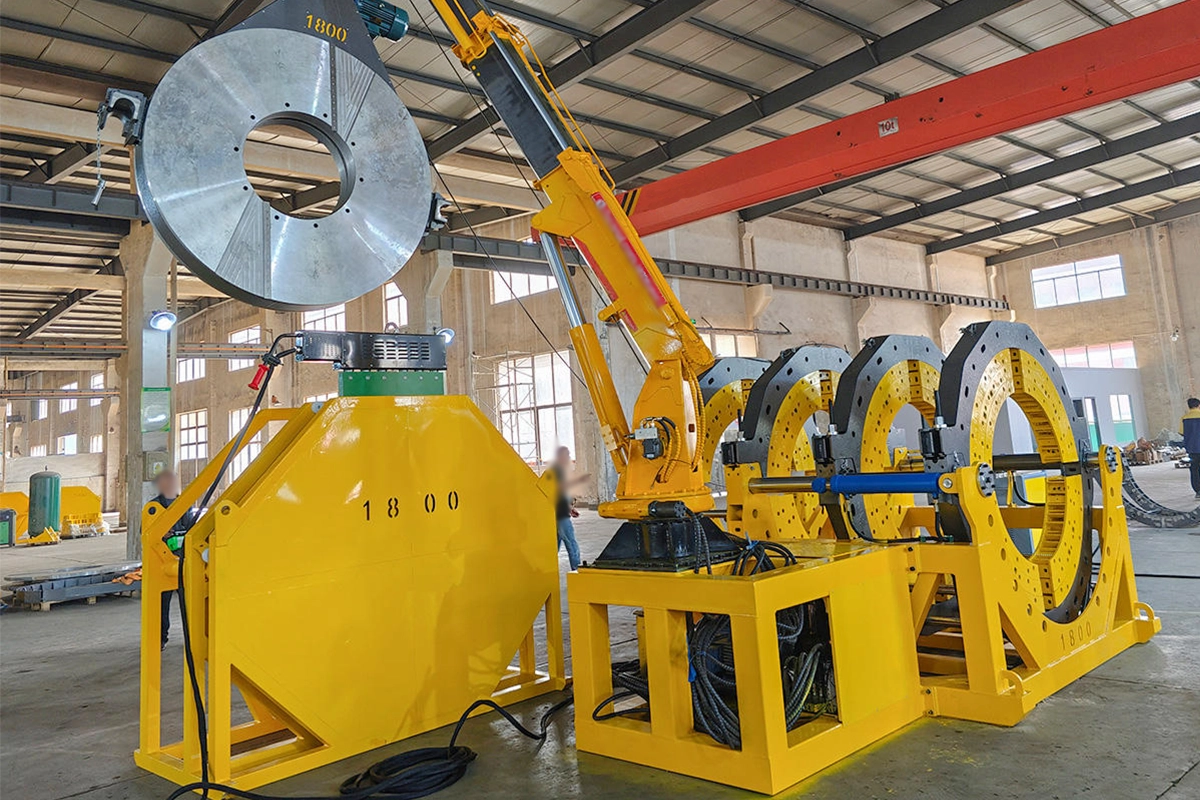
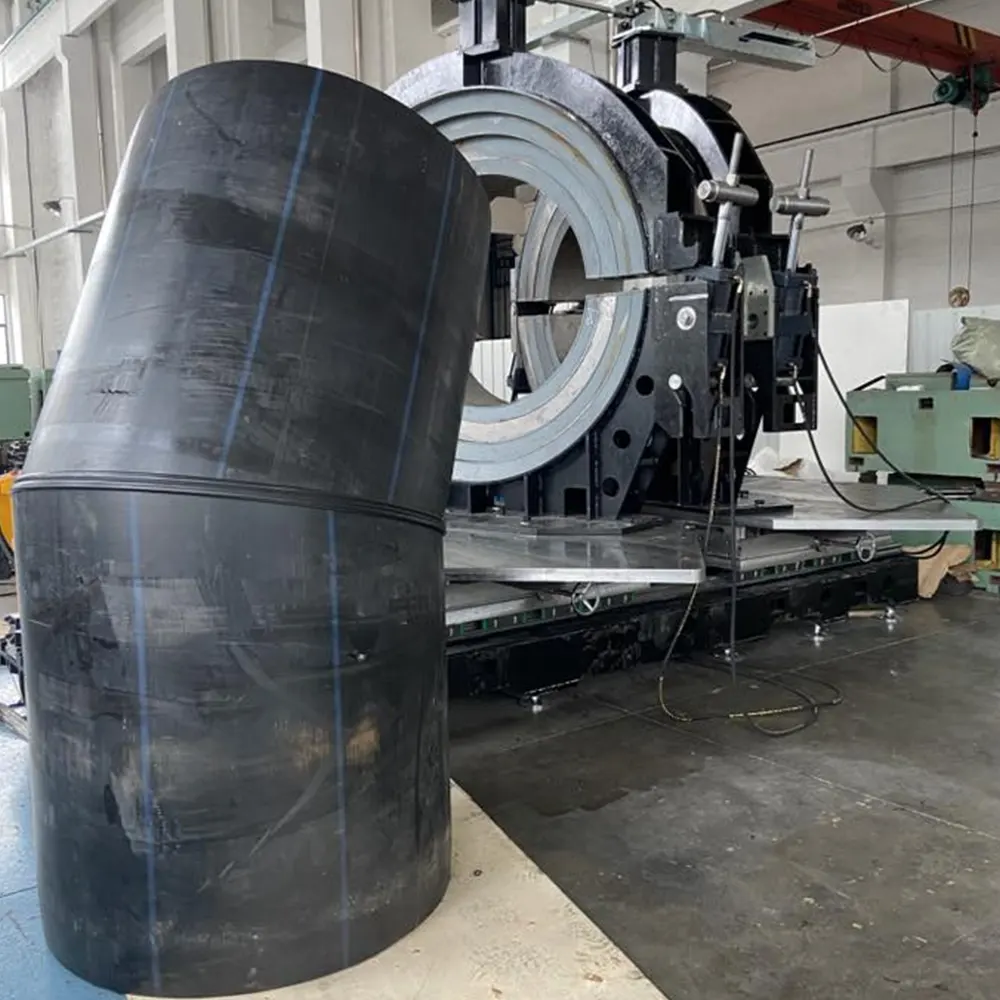
- Multi-angle fitting machines and electrofusion units for tees, bends, and coupling assemblies.
Field Setup Tips
To maximize performance on-site, follow these practical steps:
- Choose the machine class by pipe diameter and production rate required.
- Prepare a stable, level welding pad and ensure clean pipe ends before facing.
- Use calibrated heaters and thermally-stable ferrules to minimize heat loss on cold or windy days.
- Implement a documented welding log for traceability: operator, machine ID, fusion parameters, and visual inspection notes.
Performance & Quality Metrics
Tracking measurable indicators helps ensure weld reliability and process efficiency. Key metrics include fusion cycle time, joint tensile/shear results, rejection rate, and on-site throughput (meters per shift).
| Machine Type | Pipe Range | Typical Application | Average Cycle Time |
|---|---|---|---|
| Manual Butt-Fusion | 20–160 mm | Residential & small civil | 10–20 min / joint |
| Hydraulic Butt-Fusion | 160–1250 mm | Large mains & industrial | 20–60 min / joint |
| Automatic/CNC Systems | 160–2000+ mm | High-volume pipeline projects | 15–45 min / joint |
Safety & Compliance on the Jobsite
Field welding teams must follow established safety and quality standards: correct PPE, controlled heating zones, hot-surface signage, and documented non-destructive testing where required. Adhering to industry guidelines reduces rework and enhances long-term system integrity.
Tips for Remote or Harsh Environments
In remote locations or extreme climates, protect heaters and control electronics from dust and moisture, plan for power supply contingencies, and schedule welding during favorable weather windows when possible. Pre-fabricated spool pieces and mobile sheltering can accelerate progress in challenging conditions.
Service, Training & Support
Reliable manufacturer support and operator training are core to successful field welding programs. For tailored equipment options and after-sales service, consult JQ-Fusion for machines that match your pipeline sizes, production goals, and site conditions.
Quick Checklist Before Every Field Fusion
• Confirm pipe material and SDR rating; ensure correct heating profile.
• Verify equipment calibration and heater surface temperature.
• Inspect pipe ends and perform facing to remove contamination.
• Record fusion parameters and conduct visual/pressure tests as required.



