
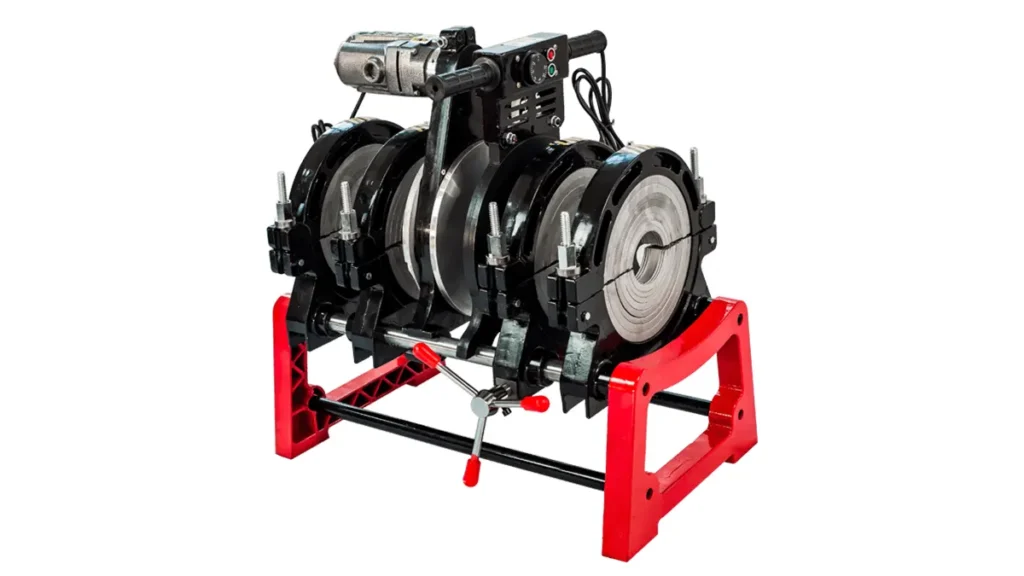
Investing in a plastic pipe welding machine in Armenia can dramatically improve pipeline reliability for water supply, gas distribution, mining, and irrigation projects. This guide helps Armenian contractors, municipal engineers, and infrastructure buyers select the right machine type, understand local use-cases, evaluate technical features, and maintain equipment for long-term performance.
Why Plastic Pipe Welding Matters in Armenia
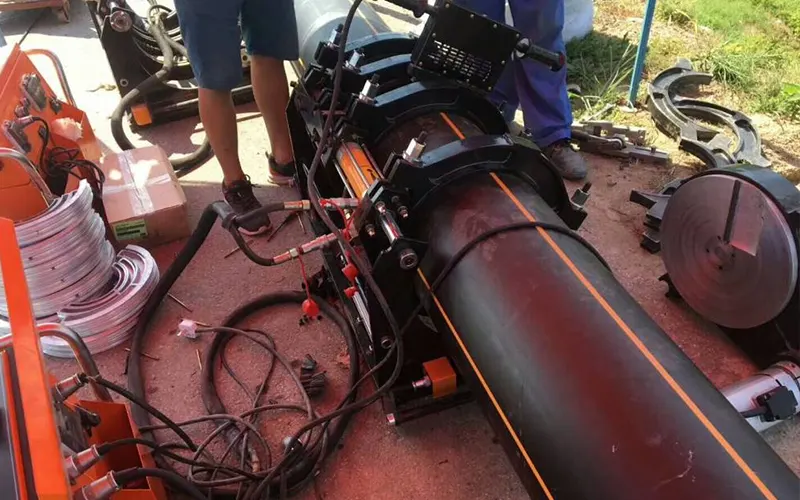
Armenia’s terrain and climate create specific demands: mountainous routes, cold winters, and many small rural settlements require robust, leak-free pipeline connections. Plastic pipes (especially HDPE/PE100) and butt-fusion or electrofusion welding are preferred for corrosion resistance, flexibility, and seismic resilience. Choosing the right welding machine ensures joints withstand thermal cycles and ground movement common in Armenian regions.
Common Applications Across Armenia
-
Municipal water networks and distribution upgrades in Yerevan and regional towns.
-
Rural irrigation systems for vineyards and orchards in Ararat Valley and Shirak.
-
Gas pipeline installation and repairs—where safety and tight joints are critical.
-
Mining and industrial fluid transfer in Lori and Kotayk areas needing heavy-duty solutions.
Types of Plastic Pipe Welding Machines
-
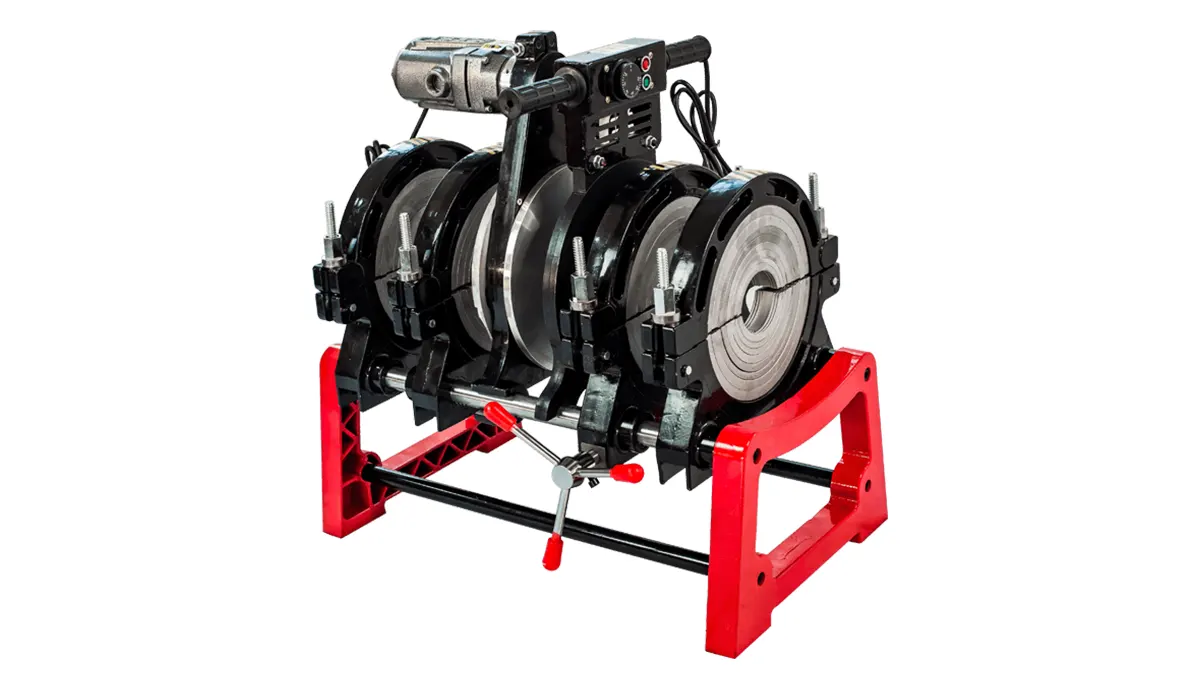
Manual Butt Fusion: Portable and affordable for small crews and remote sites. Good for DN20–DN630 depending on model.
-
Hydraulic Butt Fusion: Higher pressure and stability for medium to large diameter pipes; ideal for municipal and industrial projects.
-
Automatic/CNC Butt Fusion: Precise control for repetitive, high-volume welding—best for contractor fleets and factory prefabrication.
-
Electrofusion Units: Best for fittings, branch connections, and confined spaces where butt fusion is not practical.
Quick Comparison Chart
| Machine Type | Best For (Armenia) | Typical Pipe Range |
|---|---|---|
| Manual Butt Fusion | Remote villages, small repairs | DN20–DN630 |
| Hydraulic Butt Fusion | Large pipelines, municipal works | DN90–DN2000+ |
| Automatic/CNC | High-volume prefabrication | DN63–DN1250 |
Key Features to Look For
-
Pipe diameter range: Match machine clamps to your common project sizes.
-
Heating plate quality: Even temperature and durable non-stick surfaces reduce rework.
-
Pressure & hydraulics: Stable force control prevents weak joints—important in seismic zones.
-
Portability & power options: Battery or generator compatibility helps remote Armenian sites.
-
Ease of maintenance & spare parts: Local serviceability and spares reduce downtime during winter projects.
Buying Checklist for Armenian Buyers
-
Assess project scope: one-off repairs vs. long-term network builds.
-
Verify material compatibility: HDPE grade (PE80 vs PE100) affects joint parameters.
-
Request welding procedure specifications (WPS) and sample weld records.
-
Confirm after-sales training and documentation—local crews benefit from on-site instruction.
-
Check export, customs and shipping timing when ordering from overseas suppliers.
Maintenance and Safety Tips
Regularly clean and calibrate heating plates, check hydraulic seals before winter use, and store machines in dry, frost-free locations. Always follow safe lifting practices on steep Armenian roads and use personal protective equipment during fusion. Proper training dramatically reduces joint failures and increases site productivity.
Where to Buy and Support
For tailored HDPE welding solutions and global supply options, contact JQ-Fusion at https://jq-fusionwelding.com/ for machine specifications, spare parts, and training tailored to Armenian project needs.
Choosing the right plastic pipe welding machine in Armenia means matching machine capability to local site conditions, pipe materials, and expected volumes. With careful selection and proper training, weld quality and network reliability improve—reducing leaks, maintenance costs, and downtime across municipal, agricultural, and industrial pipelines.



