
Finding a reliable HDPE welder manufacturer in Mexico is essential for contractors, utilities, and EPC firms planning durable pipeline projects across urban centers and remote mining sites. This guide highlights durable butt fusion, electrofusion, and hydraulic welding solutions built for Mexico’s diverse climates — from coastal humidity to highland temperature swings — and outlines the product choices, technical features, and local support that drive successful pipeline installations.
Why a Mexican-Focused HDPE Welding Partner Matters
Local project conditions — including soil types, seismic activity in regions like Oaxaca and Mexico City, and seasonal rain — affect fusion quality and field logistics. Choosing a manufacturer familiar with Mexican infrastructure norms reduces rework and speeds deployment. Mexican contractors also benefit from Spanish-language documentation, local spare-part strategies, and training that respects regional safety standards.
Product Range: Manual, Hydraulic, Automatic & Electrofusion
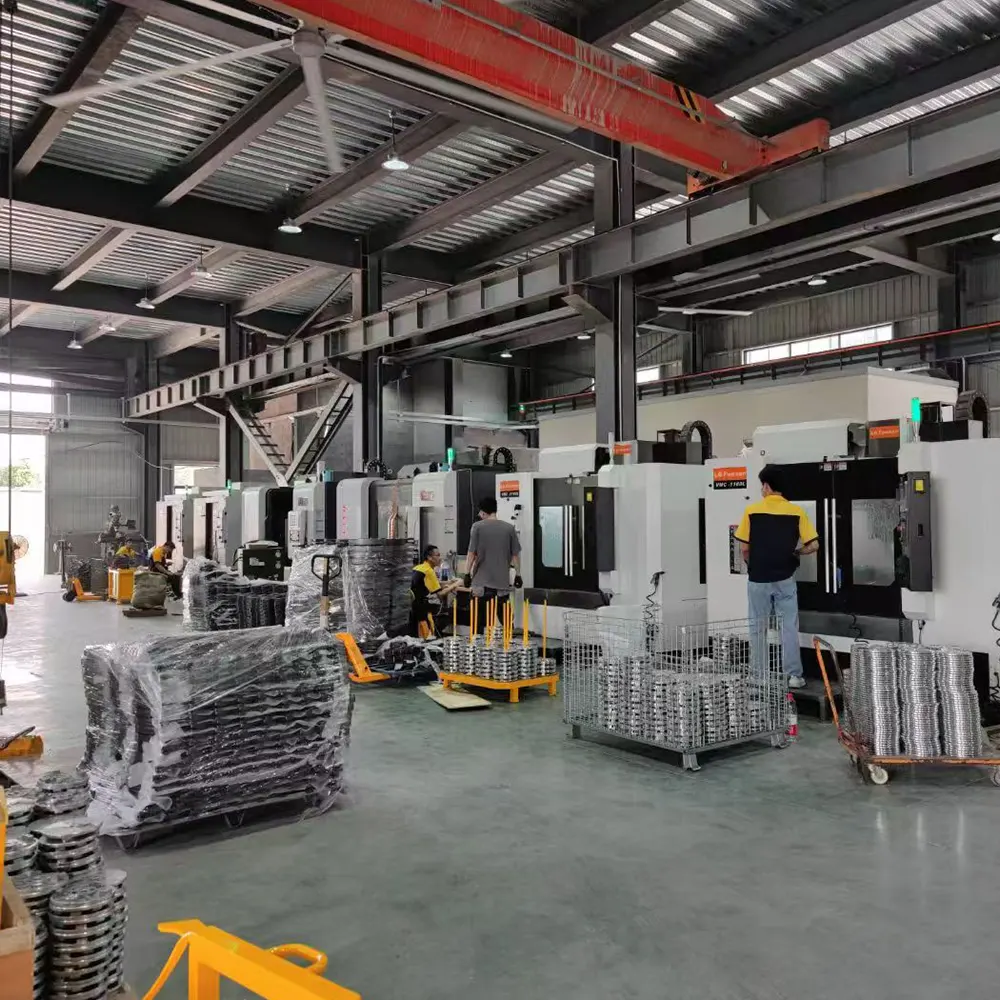
Modern HDPE welding fleets cover everything from compact manual units for narrow-access water service lines to large-diameter hydraulic and CNC automatic welders for trunk mains and industrial installations. Electrofusion units complement butt fusion equipment for fittings and repairs in gas distribution networks common across Mexican states.
Common Machine Types for Mexican Projects
• Manual butt fusion machines for small-diameter service and irrigation lines.
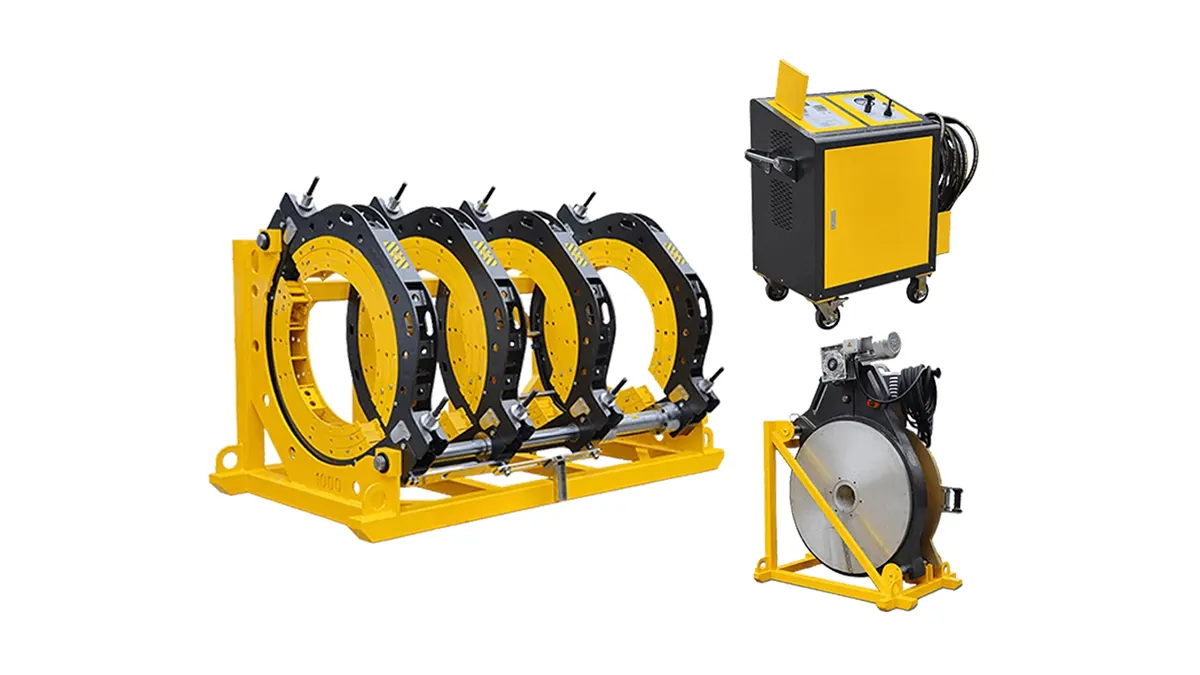
• Hydraulic butt fusion machines for high-consistency welds on medium to large mains.
• Automatic/CNC butt fusion machines for repetitive, data-logged welds on long pipeline runs.
• Electrofusion welding machines tailored to gas and branch fittings.
Key Technical Features to Look For
Heating plate consistency, hydraulic clamping stability, and digital control systems that record weld parameters are critical. Look for machines with corrosion-resistant components suitable for coastal and tropical deployments, and options for battery or generator power for remote job sites.
Applications Across Mexico
HDPE welding plays a major role in municipal water supply upgrades, expanding gas distribution to peri-urban areas, mining slurry and tailings pipelines in northern and southern states, and industrial process lines in manufacturing hubs. Durable fusion joints resist corrosion and reduce lifecycle maintenance costs — an attractive feature for municipalities and private developers in Mexico.
Support, Training & After-Sales Considerations
Field training in Spanish, on-site commissioning, and rapid spare-parts delivery are essential for minimizing downtime. Verify that the supplier offers clear weld-data logging for quality assurance and is prepared to advise on local standards and permits when welding near gas corridors or potable water mains.
Typical Machine Specs & Comparison
| Model | Pipe Range | Control | Best For |
|---|---|---|---|
| Manual Butt Fusion (compact) | 20–160 mm | Manual | Service lines, irrigation |
| Hydraulic Butt Fusion (mid) | 160–1000 mm | Semi-auto | Municipal mains, industrial |
| Automatic/CNC Butt Fusion | 200–2000 mm | CNC / Data-logged | Long runs, large-diameter mains |
| Electrofusion Station | 20–630 mm (fittings) | Digital control | Gas networks, repairs |
How to Select the Right HDPE Welding Package
Start by defining pipe diameters, expected daily weld count, site power availability, and local environmental challenges. Machines with data logging are preferred for projects requiring traceability and warranty validation. When planning operations in Mexico, include training time for crews unfamiliar with butt fusion protocols to ensure consistent joint quality.
About the Manufacturer
JQ-Fusion is a professional manufacturer specializing in HDPE pipe welding machines, offering manual, hydraulic, and CNC automatic butt fusion machines that support a wide range of Mexican infrastructure needs — from municipal water networks to mining and gas distribution. Visit https://jq-fusionwelding.com/ for product details and contact information.
Next steps: evaluate the site requirements, request weld-data examples, and schedule a demo or local training session to verify the machine fit for your Mexican project. Choosing the right HDPE welder reduces risk and ensures long-term pipeline performance.



