
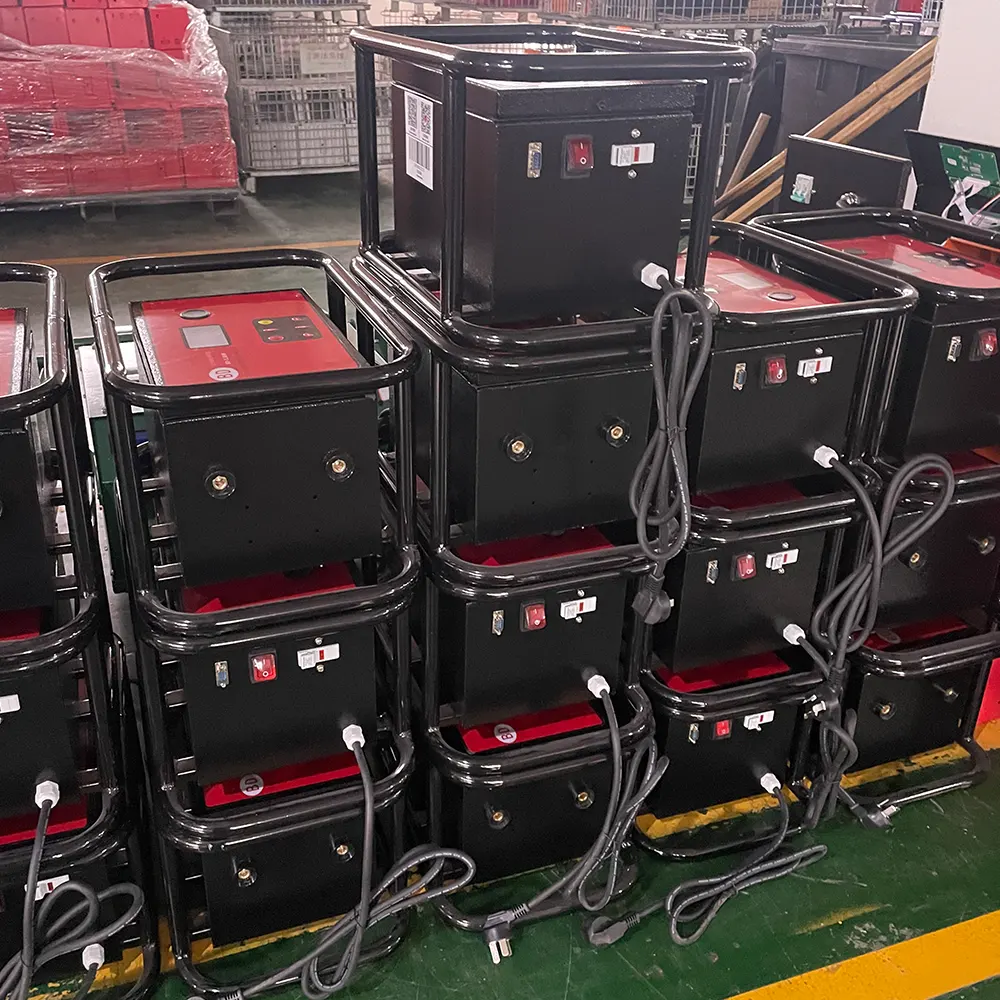
Electrofusion welders are specialized machines designed to join HDPE and other thermoplastic pipes with precision, reliability, and repeatable strength. This guide explains how they work, where they’re used, and practical tips to help you choose the right unit for your projects.
How Electrofusion Welding Works
At its core, electrofusion joining uses a pre‑molded fitting that contains embedded resistance wires. When the welder applies a controlled electric current through the fitting, those wires heat the surrounding polymer and create a molecular bond between the fitting and the pipe wall.
Step-by-step process
1. Preparation: Clean and scrape the pipe surface to remove oxidation and contaminants. Proper surface prep ensures full contact with the fitting.
2. Alignment: Insert the pipe ends into the electrofusion fitting and secure them with clamps or alignment tools to prevent movement during the heating cycle.
3. Connection & Program: Connect the fitting to the electrofusion welder, enter the fusion code or select the appropriate program, and confirm parameters like fusion time and current.
4. Heating: The machine delivers a controlled current; embedded wires melt the polymer and form a seamless joint as cooling begins.
5. Cooling & Verification: Allow the joint to cool under clamp pressure for the specified time, then visually inspect and document the weld.
Common Uses and Industry Applications
Electrofusion welding is widely adopted across sectors that demand leak-free, long-lasting joints in thermoplastic piping systems:
- Water and wastewater distribution — mains, service connections, repair clamps.
- Gas distribution — low-pressure and medium-pressure networks where safety and tightness are critical.
- Industrial piping — chemical and process pipelines using PE or PP where corrosion resistance matters.
- Agricultural and irrigation systems — reliable joints in remote installations.
Why choose electrofusion over other methods?
Compared with mechanical couplers or adhesive welding, electrofusion provides consistent joint strength, minimal external tooling, and excellent long-term performance in buried or confined applications.
Key Features to Look For
When evaluating electrofusion welders, prioritize equipment that improves safety, accuracy, and traceability:
- Programmable control & presets — automatic fusion cycles cut operator error.
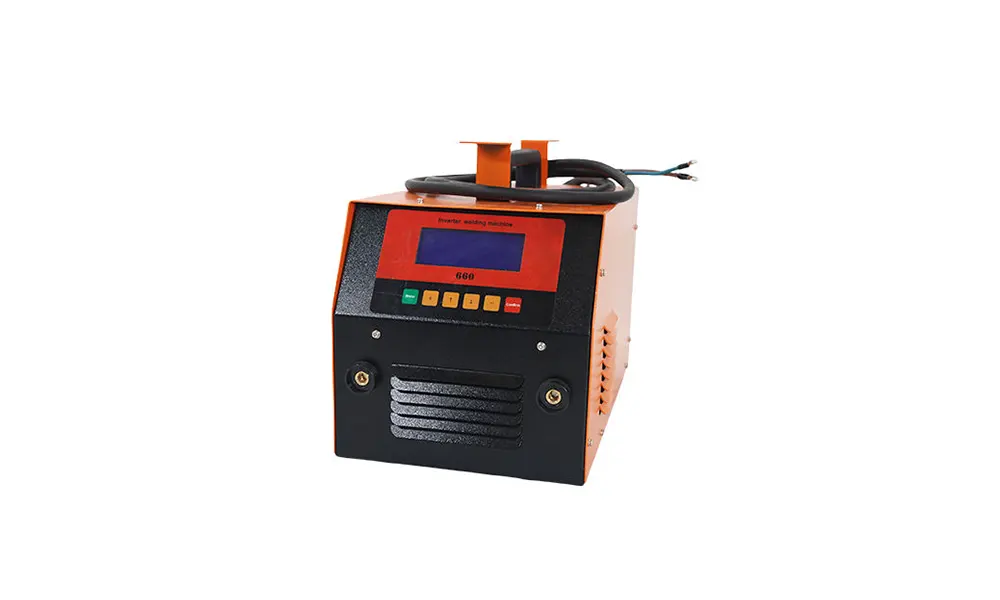
- Digital display & trace logging — stores weld parameters and allows QC reporting.
- Over-current protection — prevents overheating and ensures repeatable results.
- Battery/portable options — essential for fieldwork or remote sites.
- Compatibility with common fitting codes — ensures you can read and apply manufacturer fusion parameters.
Comparison Table: Typical Electrofusion Options
| Machine Type | Pipe/Fitting Range | Best For |
|---|---|---|
| Portable Handheld Unit | 20–110 mm | Service repairs, small distribution networks |
| Bench/Workshop Unit | 63–315 mm | Prefabrication, controlled environment welding |
| High-capacity Field Unit | Up to 630 mm+ | Large-diameter mains, industrial installations |
Buying Tips: How to Choose the Right Electrofusion Welder
1. Match capacity to your projects
Identify the typical pipe diameters you weld most often and select a machine rated for that range. Oversizing leads to unnecessary cost; undersizing leads to lost work.
2. Prioritize traceability
Choose units with data logging and USB or Bluetooth export so you can produce weld records for quality control and regulatory compliance.
3. Check local service & spares
Availability of replacement cables, clamps, and technical support reduces downtime—especially important for contractors working on tight schedules.
4. Safety & certification
Look for CE, ISO, or other regional certifications and built-in protective features like circuit breakers and automatic cutoffs.
5. Training & documentation
A machine is only as good as the operator. Seek units supported by clear manuals, welding procedures, and supplier training options.
Quick Maintenance Checklist
- Inspect power cables and connectors before each use.
- Keep display and connectors free of dirt and moisture.
- Verify calibration of weld programs periodically.
- Replace worn clamps and verify alignment tools remain accurate.
About the Manufacturer
JQ-Fusion is a professional manufacturer specializing in HDPE pipe welding machines, providing reliable butt fusion and electrofusion solutions for global infrastructure projects. Their product range covers manual, hydraulic, and CNC automatic systems across a wide diameter span, backed by factory support and spare parts availability.



