
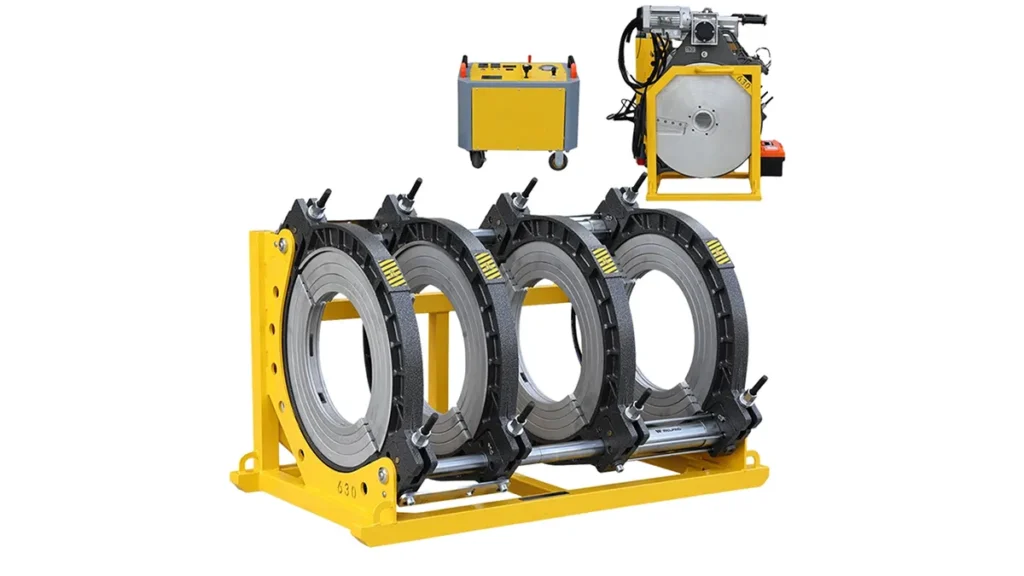
HDPE pipe jointing machines are essential for building and maintaining Ireland’s resilient water, gas and renewable energy networks. From urban utilities in Dublin to rural drainage and farm irrigation across the west, the right butt fusion or electrofusion equipment ensures leak-free, long-lasting pipelines that meet EN standards and on-site conditions common in Ireland: wet ground, variable temperatures, and tight access points.
Why HDPE Is the Preferred Choice for Irish Projects
Durability and corrosion resistance make HDPE ideal for Ireland’s coastal and peatland environments. HDPE systems resist chemical attack from soil and aggressive waters, reducing long-term maintenance for local authorities and contractors. For trenchless installations, HDPE’s flexibility and strength offer reliable performance for gas distribution, sewer upgrades, and drinking water mains.
Common Applications Across Ireland
Water distribution (Irish Water), gas networks, farmland irrigation, wind farm electrical ducts, mine dewatering systems, and municipal drainage projects. Contractors and engineering firms require machines that are portable, accurate, and capable of meeting EN 12201 welding procedures.
Machine Types and How They Match Irish Needs
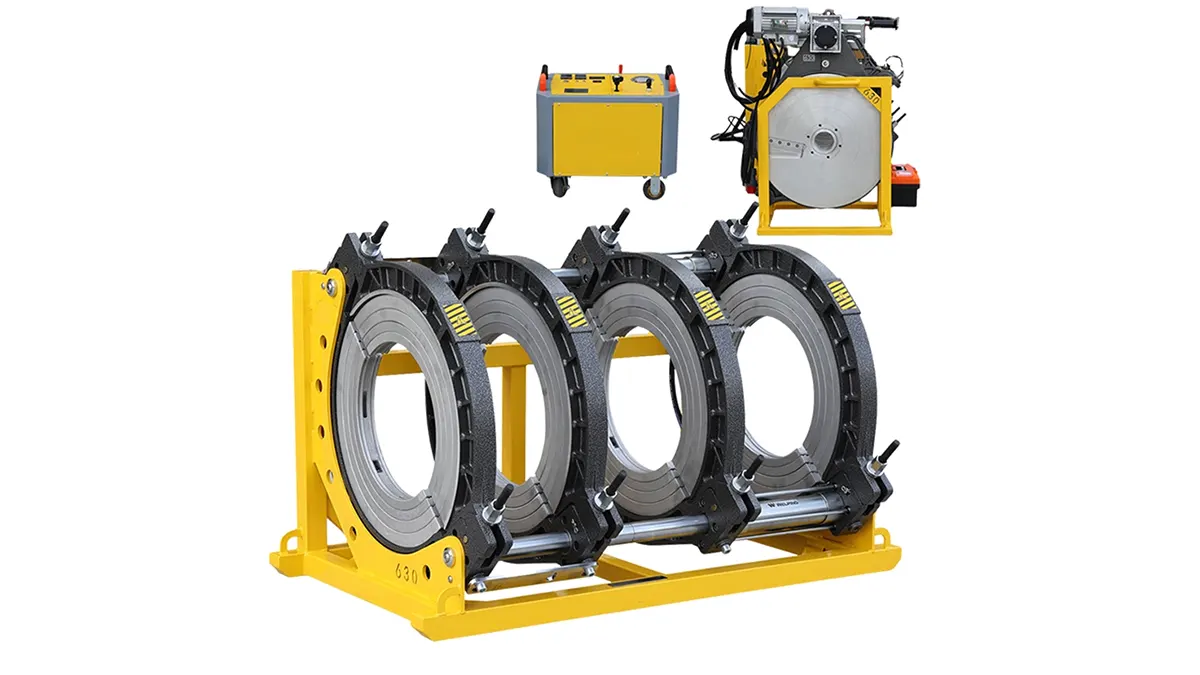
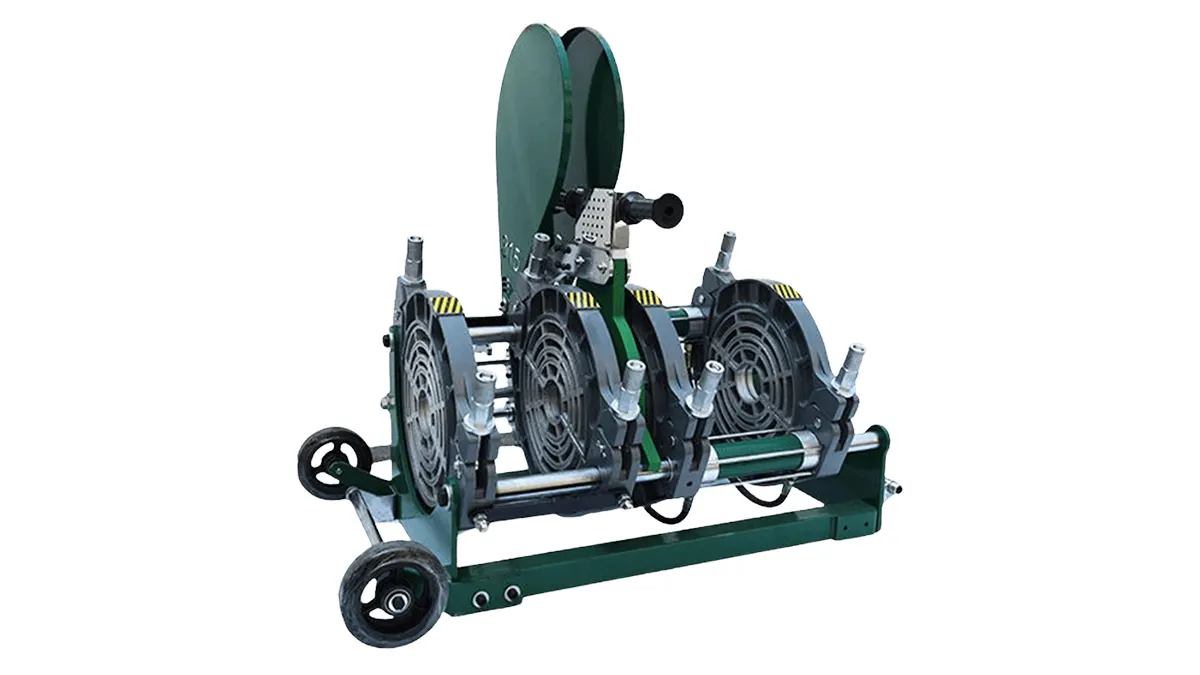
Manual machines are compact and cost-effective for small contractors and rural works. Hydraulic machines deliver consistent pressure for medium to large diameter mains used in municipal projects. Automatic / CNC machines add precision and data logging for large-scale pipeline programs and projects requiring traceable weld records.
Quick Comparison Table
| Model | Type | Pipe Range | Key Benefit |
|---|---|---|---|
| JQSY-2M | Manual | 20–315 mm | Portable for sitework and repair |
| JQH630 | Hydraulic | 63–630 mm | Stable, robust pressure control |
| JQA315 / JQA500 | Automatic / CNC | 63–500 mm | Data logging and repeatable weld quality |
Key Features to Look For
Heating plate accuracy, reliable clamping systems, easy-to-read control panels, and traceable weld recording are crucial for compliance and audit trails. Machines that offer quick setup, modular clamps, and low-maintenance hydraulics cut downtime on tight Irish schedules.
Compliance, Training and Best Practices in Ireland
Use machines and welding procedures compliant with EN 12201 / ISO standards. For projects tied to Irish Water or commercial utilities, documented weld records and operator competency are often required. Local contractors benefit from targeted training on site preparation, cooling cycles, and joint testing to reduce rework and ensure long-term performance.
Site Tips for Irish Conditions
Protect heating plates from rain, allow extra cooling time in cold weather, and check fusion parameters when working on rocky or peaty ground. Portable shelters and battery-powered heaters can help maintain consistent fusion conditions during coastal or winter installations.
Procurement and Support
When sourcing equipment from overseas suppliers, prioritize spare parts availability, technical manuals in English, and remote troubleshooting. Look for vendors who provide calibration, spare heaters, and clear warranty terms to reduce downtime on Irish sites.
Manufacturer Contact
JQ-Fusion — https://jq-fusionwelding.com/



