
Automatic pipe welding machines are transforming pipeline construction in Iraq by improving weld quality, cutting installation time, and increasing safety for teams working in challenging climates—from urban Baghdad projects to desert water networks in Basra and Mosul reconstruction sites.
Overview: What “Automatic” Means for Pipe Welding in Iraq
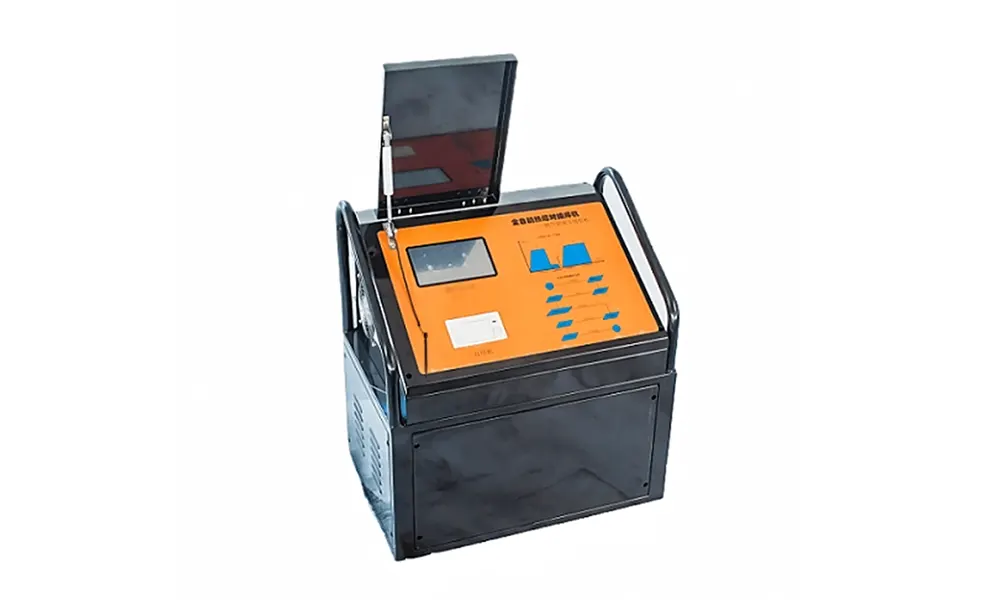
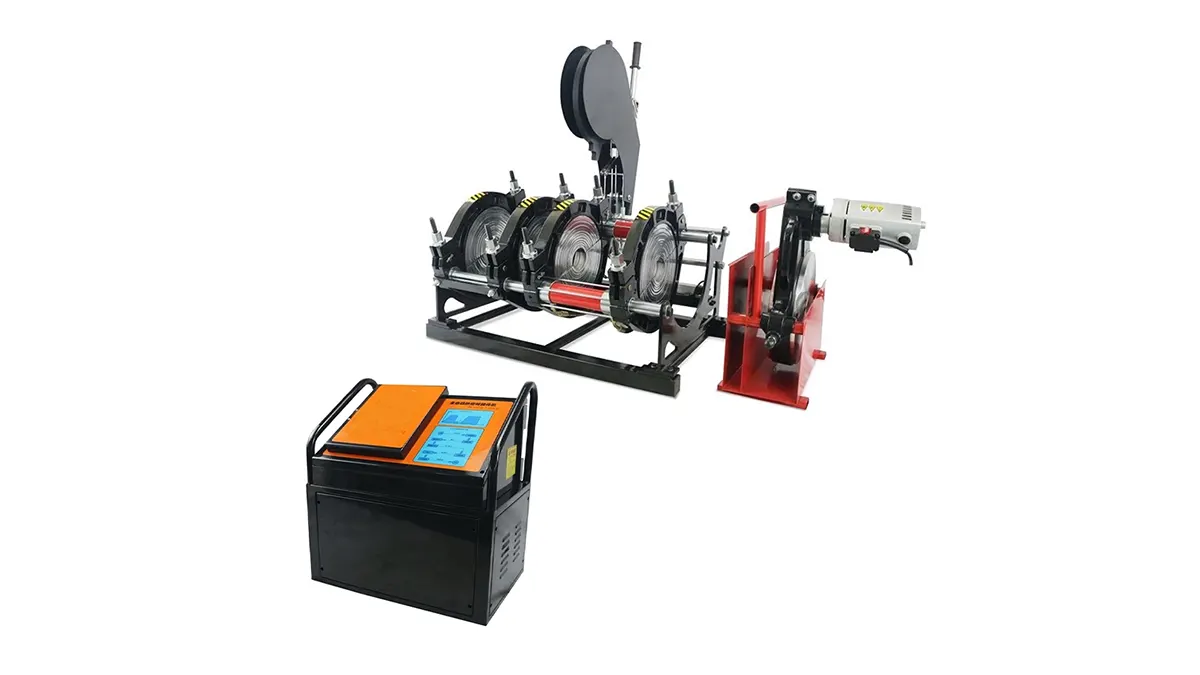
Automatic butt fusion machines combine hydraulic clamping, controlled heating, and programmable fusion cycles to deliver consistent, repeatable welds on HDPE and thermoplastic pipes. For Iraq’s infrastructure — including municipal water, gas distribution, irrigation and oilfield utility lines — this consistency reduces rework and helps projects meet international pipeline standards even under dusty, high-temperature conditions.
Why Iraq Needs Automatic Pipe Welding Machines
• Faster deployment for reconstruction and new build projects, where schedule pressure is high.
• Improved joint integrity for long-distance water and gas networks subject to temperature swings.
• Lower skill barrier: automatic control reduces operator-dependent variation, important where skilled welders are scarce.
• Better on-site data logging and traceability for government and contractor reporting.
Best Machine Options for Iraqi Projects (Recommended Models)
Below is a quick comparison of common automatic butt fusion models suitable for a range of Iraqi applications — from small municipal water lines to large-diameter industrial piping.
| Model | Pipe Range | Automation | Ideal Use |
|---|---|---|---|
| JQA200 / JQA250 | 20–250mm | Semi-automatic to fully automatic | Urban water & small gas distribution |
| JQA400 / JQA450 | 160–450mm | Fully automatic with data logging | Medium pipelines, irrigation networks |
| JQA630 / JQA800 | 315–800mm | High-capacity automatic fusion | Large water transmission and industrial lines |
| Hydraulic large-diameter frames | 800mm and up | Hydraulic control, CNC available | Oilfield utilities, major municipal projects |
Key Benefits for Contractors and Owners in Iraq
• Consistency: Automated cycles reduce human error and deliver uniform fusion beads.
• Speed: Higher daily weld counts speed network rollout during reconstruction seasons.
• Data & Traceability: Many automatic units export fusion reports — helpful for compliance on government-funded works.
• Durability: Robust hydraulic frames and sealed electronics can withstand dusty, hot Iraqi conditions when sheltered and maintained.
Buying Guide: Choosing the Right Machine for Your Project
• Assess pipe diameter range and throughput targets — match machine capacity to peak daily welding needs.
• Prioritize units with temperature and pressure sensors plus digital logging if project audits are expected.
• Check power options: portable diesel generators are often used on remote Iraqi sites; confirm machine voltage and starter type.
• Consider service and spare parts lead time — local customs and logistics can add delay, so supplier support matters.
Site Tips: Maximize Performance in Iraqi Conditions
• Protect electronic controls and heating plates from sand and direct sun; set up shade and dust covers.
• Use recommended heating temps and cooling times — extremes of ambient heat can reduce cooling window, so follow the machine’s compensated cycle settings.
• Train two-person crews on machine setup, alignment and fusion recording to maintain productivity during long shifts.
Where to Buy and Who to Contact
For international supply and reliable butt fusion solutions tailored to Iraq’s project needs, consider contacting JQ-Fusion for model selection, spare parts planning, and export logistics. Visit: https://jq-fusionwelding.com/



