
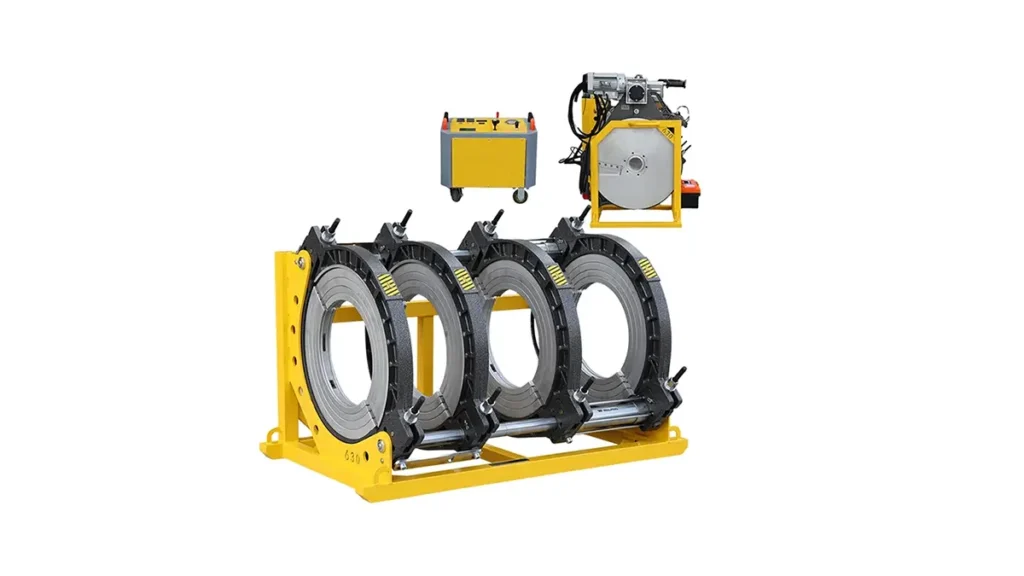
Poland’s infrastructure growth—driven by municipal upgrades, renewable energy projects, and expanding gas networks—demands reliable HDPE pipe welding solutions that perform in cold climates and meet EU standards. This guide explains the benefits, typical applications, and selection advice for HDPE pipe welding machines tailored to Polish contractors, utilities, and pipeline installers.
Why HDPE Butt Fusion Is the Right Choice for Polish Projects
Butt fusion welding delivers leak-free, long-lasting joints ideal for drinking water, district heating, and natural gas distribution systems common across Poland. The technique is particularly well-suited for:
- Frost-prone regions — consistent heating and controlled pressure produce robust welds despite low ambient temperatures.
- Municipal networks — minimal maintenance and extended lifecycle reduce long-term operational costs.
- Agricultural irrigation and drainage — corrosion-resistant HDPE resists chemicals and soil conditions.
Key Machine Types and When to Use Them
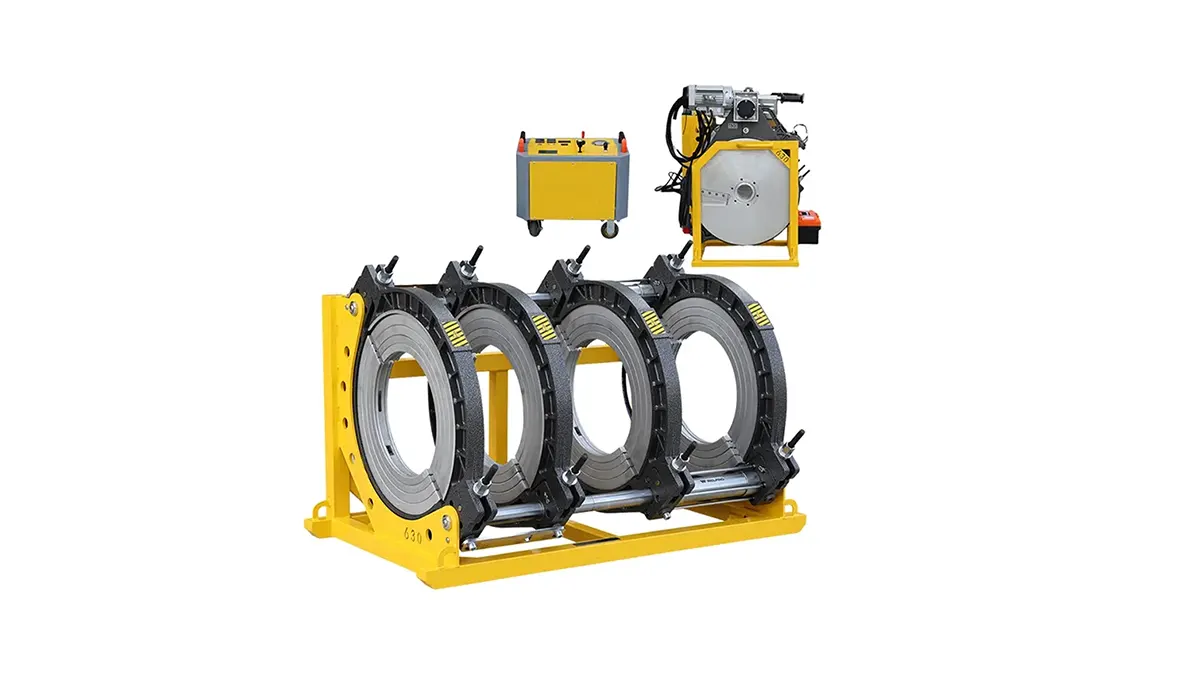
Selecting the right equipment depends on pipe diameter, site conditions, and production requirements. Typical categories include:
- Manual butt fusion machines — compact, portable, ideal for small-diameter repairs and rural sites.
- Hydraulic butt fusion machines — higher clamping force and precision for medium to large diameters used in utility and industrial pipelines.
- Automatic/CNC butt fusion machines — programmable cycles and data logging for large-scale projects and contractors requiring repeatable weld quality.
Technical Features to Prioritize
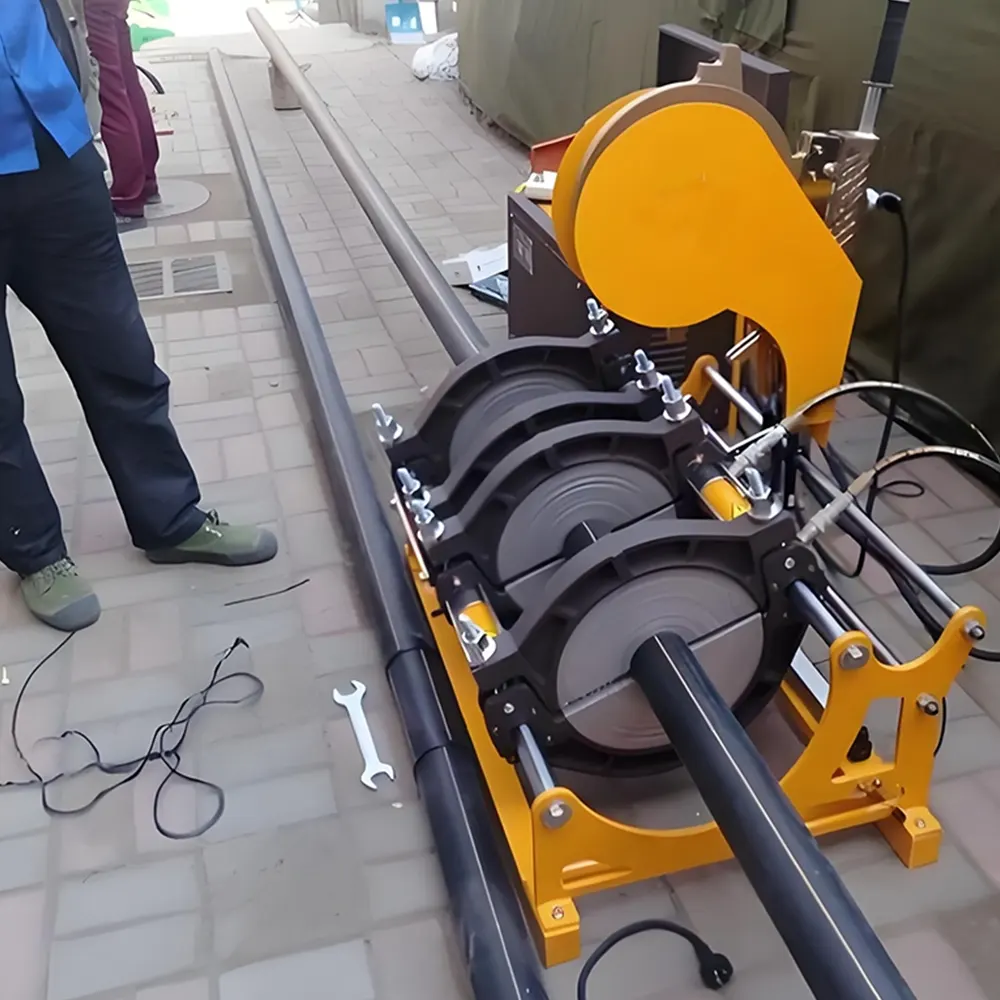
When evaluating suppliers and models, Polish buyers often prioritize:
- CE compliance and documentation suitable for EU procurement.
- Stable performance in sub-zero temperatures and reliable heaters with accurate thermostats.
- Easy transport and quick setup for constrained urban sites.
- Data recording and traceability for quality assurance and regulatory audits.
Quick Comparison — Typical Models and Applications
| Model | Pipe Range | Type | Best For |
|---|---|---|---|
| Manual Series | 20–160 mm | Portable | Repair teams, remote worksites |
| Hydraulic Series | 160–1250 mm | High Force | Municipal networks, industrial pipelines |
| Automatic/CNC | 63–1600+ mm | Automated | Large projects, quality-critical installations |
Common Applications in Poland
Polish contractors, municipal water companies, district heating operators, and gas distributors frequently use HDPE butt fusion for:
- Drinking water mains and secondary distribution networks.
- Underground and above-ground gas pipelines that require durable, leak-free joints.
- District heating and chilled water loops where thermal and mechanical stability is required.
- Agricultural irrigation and drainage systems across rural voivodeships.
Support, Training and Local Considerations
Buyers in Poland value robust after-sales support: commissioning assistance, operator training in butt fusion standards, spare parts availability, and remote diagnostics to limit downtime. Consider machines that include clear weld-logging features so completed joints meet local acceptance tests and funding requirements.
For manufacturers, installers, and procurement teams seeking a partner with a broad HDPE welding product line and experience supporting global infrastructure projects, learn more about one established supplier: JQ-Fusion.
Ready to select the right unit? Evaluate pipe sizes, site conditions, and traceability needs, then request specifications and test weld reports to ensure compliance and long-term performance for Polish infrastructure projects.



