
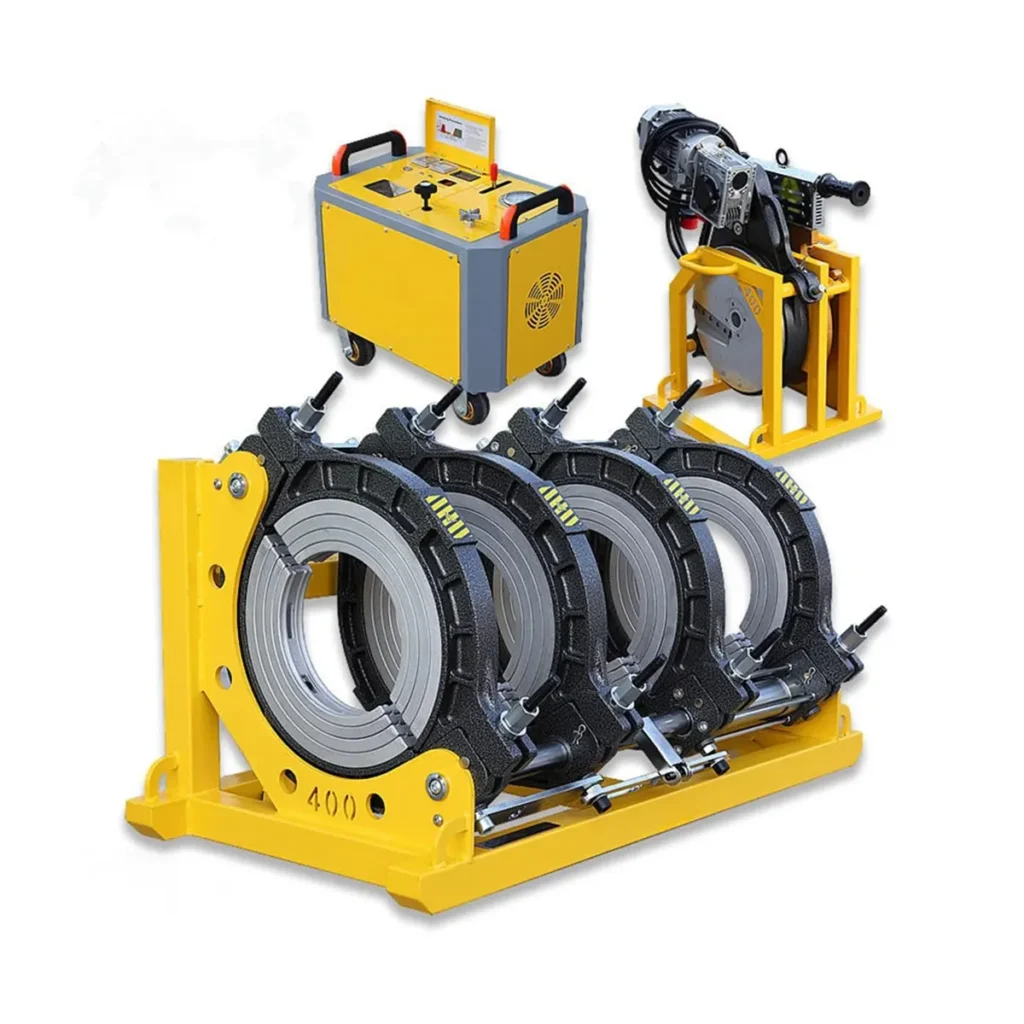
Reliable HDPE welding machines are essential for Qatar’s fast-growing infrastructure: from potable water networks in Doha to gas distribution on industrial sites and irrigation systems across arid landscapes. The right butt fusion equipment ensures leak-free joints, fast installation, and long-term performance under harsh Gulf conditions.
Why Qatar Needs Robust HDPE Welding Solutions
Qatar projects face unique challenges: extreme heat, coastal corrosion, and a mix of local and international contractors working on accelerated timelines. HDPE pipe systems are preferred for corrosion resistance, flexibility, and lifecycle savings—however, consistent welding quality is non-negotiable. Investing in proven butt fusion machines reduces rework, speeds up commissioning, and meets the strict safety expectations of municipal and energy clients.
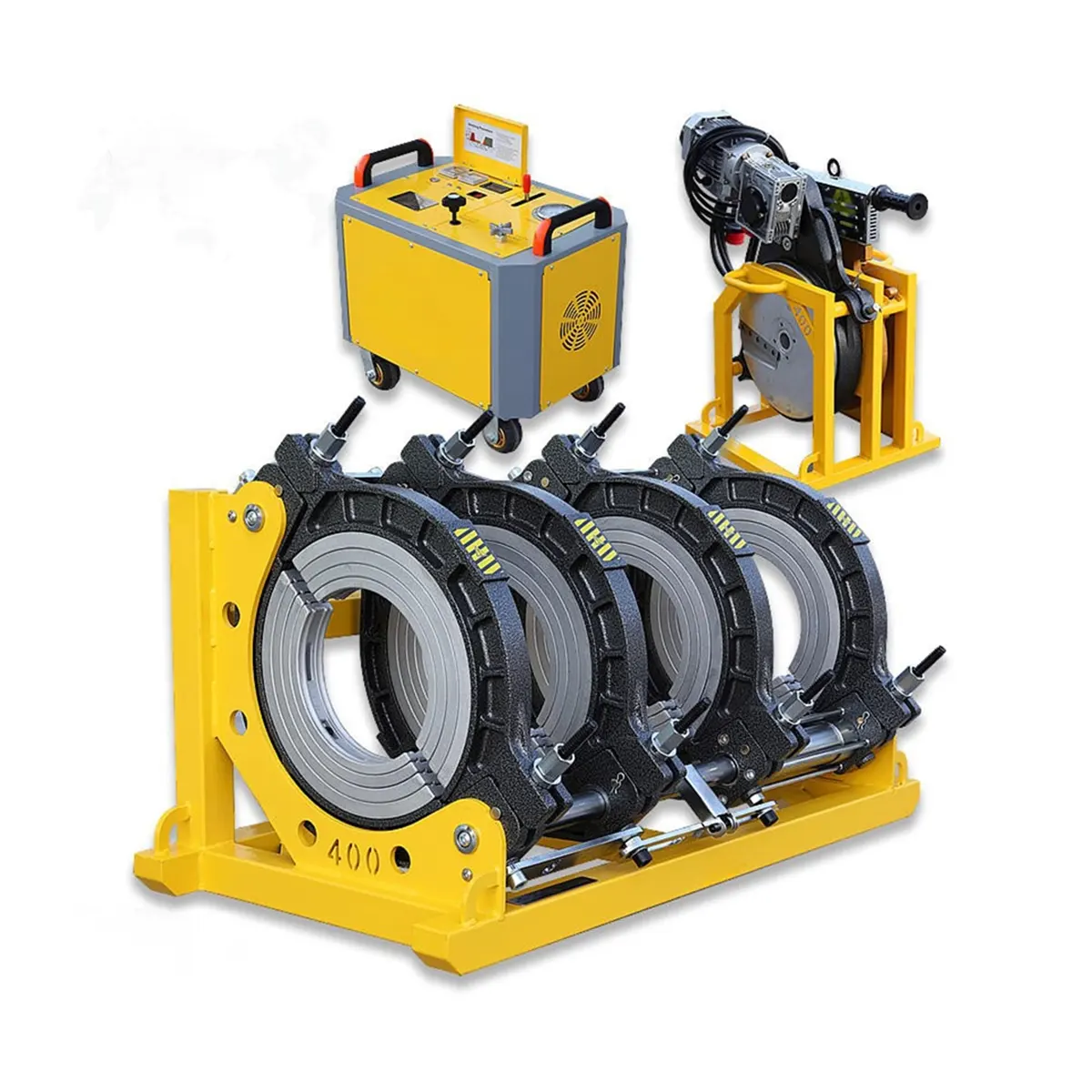
JQ-Fusion Solutions for Pipe Welding and Fabrication
The manufacturer JQ-Fusion supplies a full range of HDPE welding equipment—from compact manual units to large CNC automatic butt fusion machines—designed to meet Qatar’s water, gas, and industrial pipeline demands. Their product line supports mobile fieldwork, long-diameter fabrication yards, and rugged jobsite conditions.
Quick Comparison: Manual, Hydraulic & Automatic Butt Fusion Machines
| Type | Pipe Range (mm) | Key Advantages | Ideal For |
|---|---|---|---|
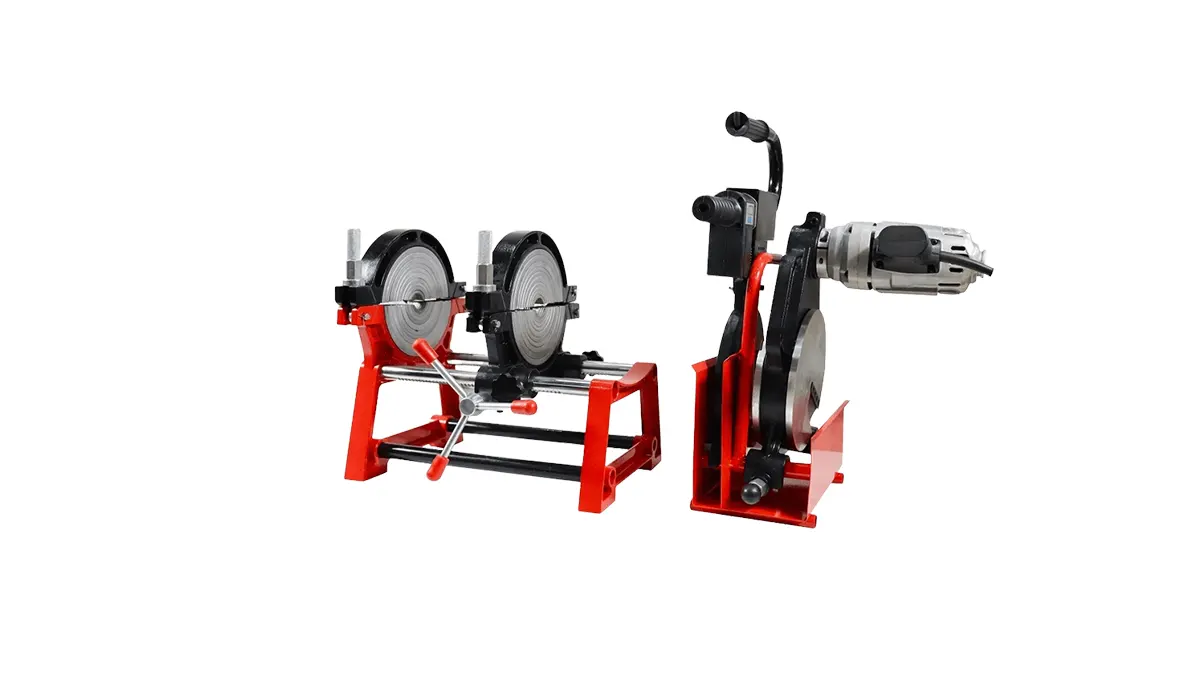
| Manual Butt Fusion | 20 – 315 | Lightweight, portable, low-cost operation | Small-scale works, service teams |
| Hydraulic Butt Fusion | 160 – 2000+ | High clamping force, consistent pressure control | Municipal water mains, large-diameter pipelines |
| Automatic/CNC Butt Fusion | 200 – 2000+ | Repeatable cycles, digital control, faster throughput | Fabrication yards, large commercial projects |
How to Choose the Right Machine for Qatar Projects
Selecting the correct welding system requires assessing site conditions and project specs. Key considerations include:
- Pipe diameter and SDR — ensure the machine covers the full range used on the project.
- Mobility vs. production — manual units provide field flexibility; automatic units maximize fabrication throughput.
- Heat and environment — choose machines and ancillary tooling that perform reliably in high temperatures and sandy conditions.
- Operator training & certification — welding quality depends on trained crews familiar with butt fusion standards.
- After-sales support — rapid parts supply and calibration services minimize downtime on critical networks.
Installation, Training & Maintenance Considerations
Local contractors and international EPC teams in Qatar benefit from clear commissioning plans and training tailored to the region’s workforce mix. Typical recommendations:
- On-site setup checks and trial welds before production.
- Operator courses covering joint preparation, heating cycles, and cooling protocols.
- Routine maintenance schedules and spare parts stocking for heating plates and hydraulic components.
- Digital weld data recording for project QA/QC and compliance with client requirements.
Benefits for Qatar’s Key Sectors
Water & Sewage — HDPE reduces leakage risks and corrosion, improving network resilience. Oil & Gas — PE pipe systems are used for secondary lines and corrosion-resistant utilities. Irrigation & Landscaping — flexible systems for green projects across the emirate. Reliable butt fusion machines ensure joints that withstand pressure cycles and temperature shifts common in Gulf climates.
Next Steps for Procurement and Project Readiness
For procurement teams and contractors evaluating HDPE welding equipment, focus on machine capability, proven performance in hot climates, and the availability of operator training and spare parts. Request sample weld data, machine specs, and service plans to ensure the selected solution meets Qatar project timelines and quality expectations.
For detailed product specifications, availability, and local delivery options, view the manufacturer’s catalog at https://jq-fusionwelding.com/



