
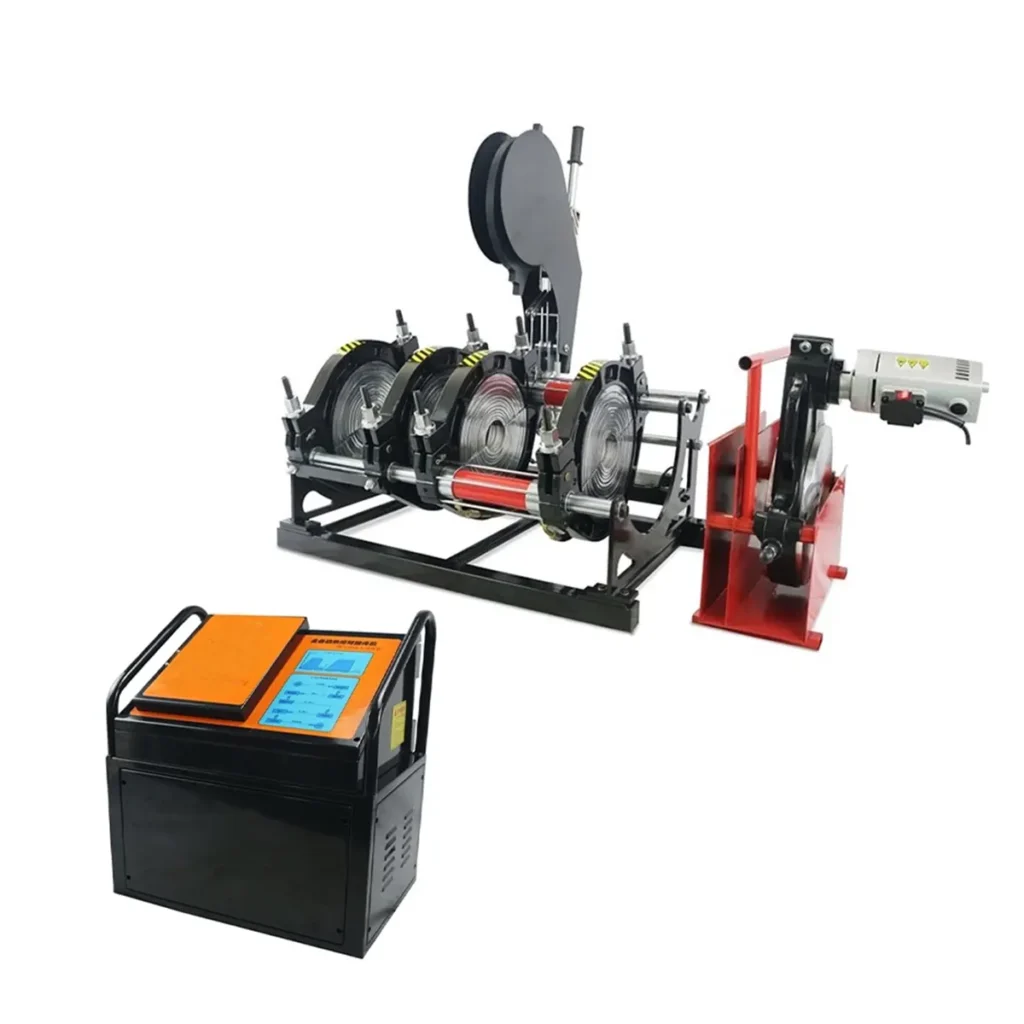
Finding a reliable HDPE welder factory in the Philippines can make the difference between a pipeline project that stays on budget and one that faces costly delays. This guide helps contractors, engineers, and procurement managers in the Philippines quickly assess factories, compare machine types, and choose a partner that understands local conditions—from island logistics to tropical climate challenges.
Why factory selection matters for Philippine projects
Local projects in the Philippines often involve remote island logistics, seasonal rains, and diverse applications such as municipal water systems, agricultural irrigation, and gas distribution. Choosing the right HDPE welding equipment and supplier means you get machines that are robust, transportable, and backed by spare parts and technical support that can reach provincial sites.
Key characteristics of a trustworthy HDPE welder factory
Reputation & experience: Look for a manufacturer with proven experience in butt fusion machines and a record of international projects. Quality control: consistent manufacturing standards, testing protocols, and traceable materials. After-sales support: spare parts availability, training, and timely service—critical for work away from Luzon or in smaller islands.
What types of HDPE welding machines to expect
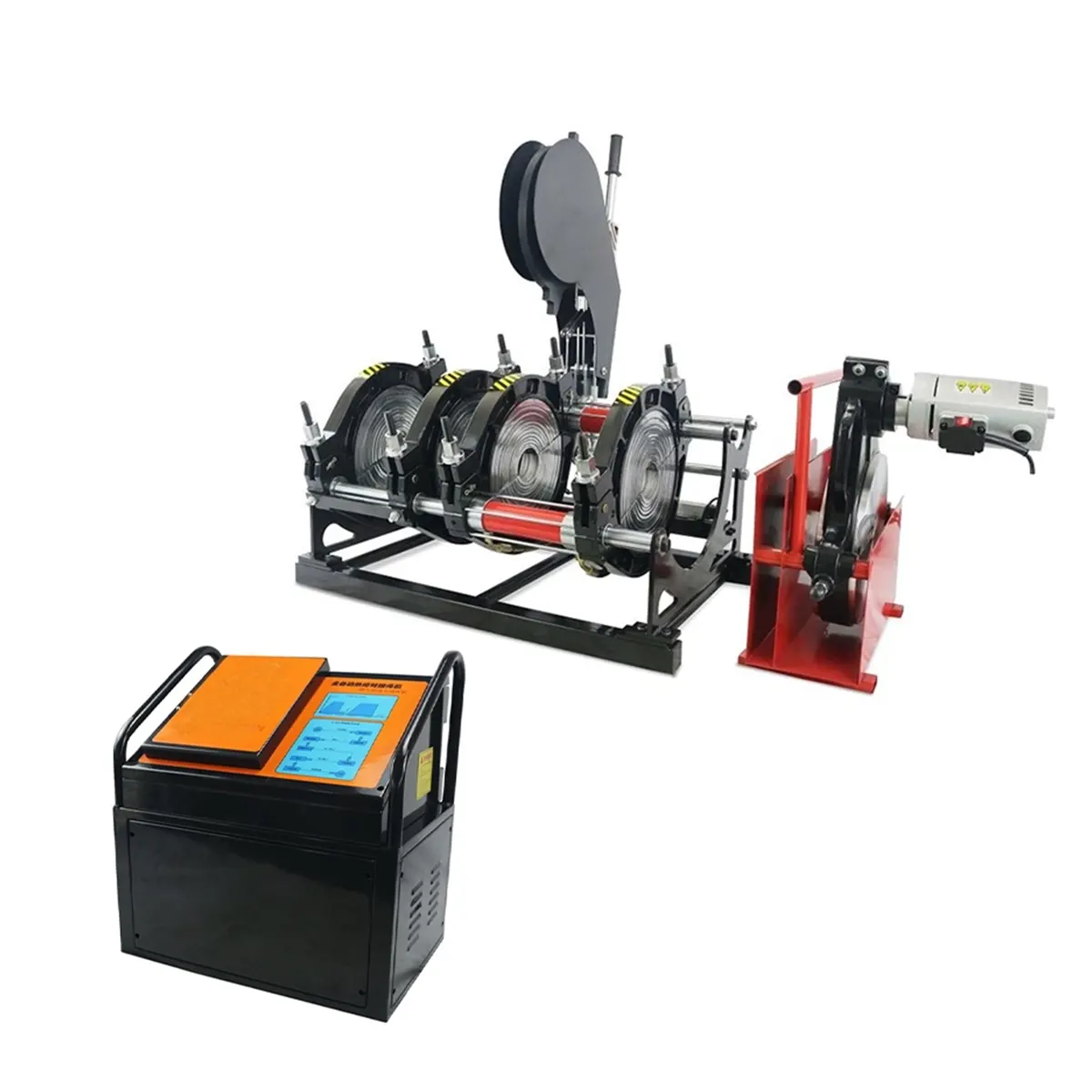
Factories usually produce three main categories tailored to different Philippine job sites:
- Manual butt fusion machines – lightweight, cost-effective, ideal for small-diameter repairs and remote locations.
- Hydraulic butt fusion machines – for medium to large pipelines where controlled pressure and repeatability are required.
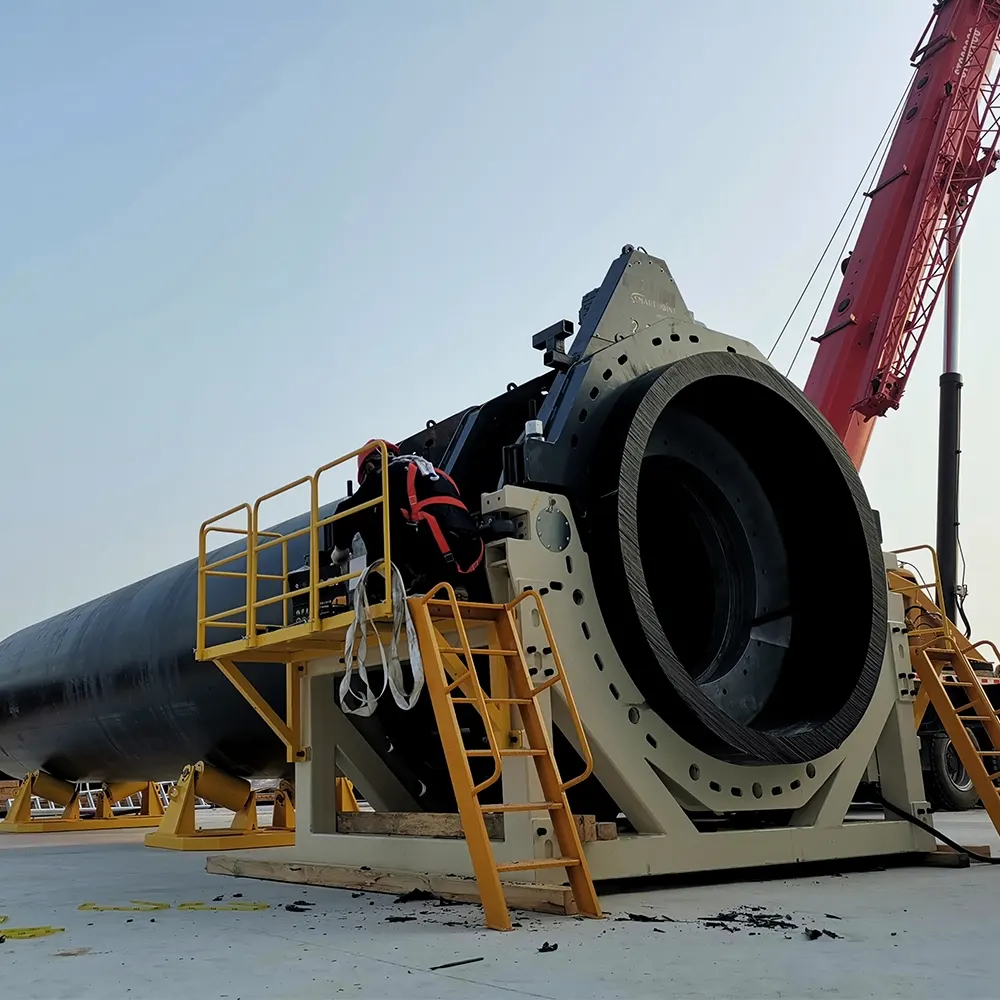
- Automatic / CNC butt fusion machines – high-precision units for large-scale municipal or industrial installations requiring strict weld records.
Local application examples
In the Philippines you commonly see HDPE welding used for: rural water supply upgrades, irrigation networks in agricultural provinces, drainage and flood control in urbanized areas, and industrial piping for mining or processing plants. Choose machines based on pipe diameter, site accessibility, and the need for documentation (e.g., public works contracts).
Procurement & inspection checklist
When evaluating a factory or machine offer, verify the following items—these reduce risk and ensure smooth project delivery across Philippine islands:
| What to check | Why it matters | Minimum standard |
|---|---|---|
| Build quality & materials | Durability under tropical conditions and heavy use | Welded frames, corrosion-resistant finishes |
| Machine range (OD compatibility) | Ensure compatibility with your project pipe diameters | Covers common sizes: 20mm–2000mm or specified range |
| Test certificates & QA | Compliance with international welding standards | Factory test reports, calibration records |
| Spare parts & training | Minimizes downtime for remote Philippine sites | Parts list, lead times, training offer |
| Shipping & local support | Timely delivery to ports and on-island logistics | Clear shipping options, local agent or distributor |
Cost vs. value — what to prioritize
Low capital cost may look attractive, but factor in long-term value: reliability, serviceability, and documentation for public projects. For island deployments, prioritize machines that are easy to disassemble and transport and that have clear spare part chains.
Practical tips for Philippine buyers
– Ask for site references in Southeast Asia or similar climates.
– Request demonstration videos and full technical datasheets.
– Confirm warranty terms and whether the supplier can provide remote troubleshooting.
– Plan for import duties, port handling, and inland trucking to provincial job sites.
Manufacturer reference
For reliable butt fusion solutions and a wide range of manual, hydraulic, and CNC automatic machines, consider contacting JQ-Fusion via their website for machine specifications, inventory, and support options: https://jq-fusionwelding.com/
Quick decision checklist (one-line)
Match machine range → Verify QA & parts → Confirm shipping & local support → Schedule training. Following these steps will help Filipino contractors and project owners secure the right HDPE welding equipment for reliable, long-lasting pipeline installations.



