
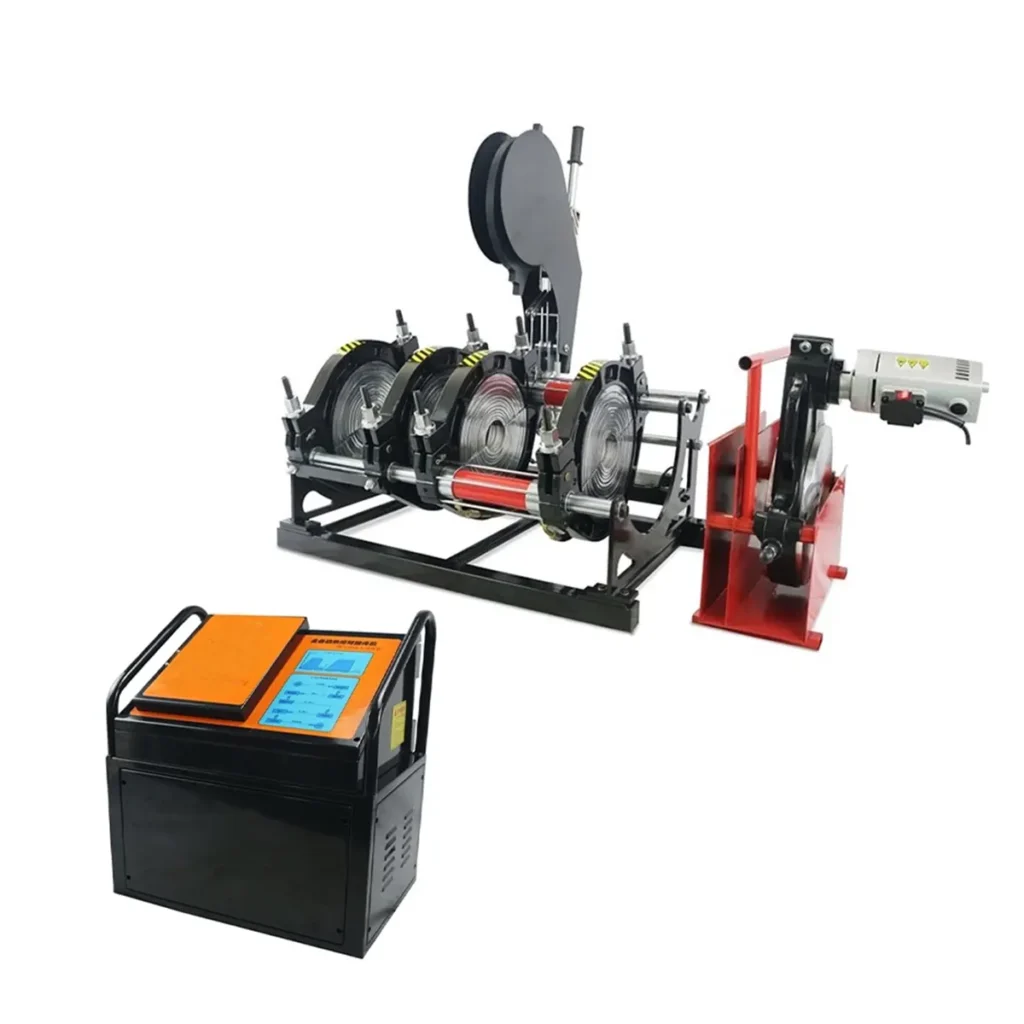
Kenya’s expanding infrastructure and growing demand for reliable water and sanitation networks have pushed HDPE pipeline technology to the forefront. Contractors, municipal engineers, and rural water programmers increasingly choose modern pipe welding solutions to ensure leak-free, long-lasting joints. This article explains how HDPE pipe welding machines support Kenyan projects, helps select the right equipment, and highlights practical considerations for local environments and crews.
Why HDPE Welding Machines Matter in Kenya
HDPE pipes are favored across Kenya for their corrosion resistance, lightweight handling, and long service life—especially for community water supply, irrigation schemes in the Rift Valley, and urban distribution networks in Nairobi and Mombasa. Reliable welding equipment produces strong butt-fusion or electrofusion joints that minimize downtime and reduce maintenance costs for utilities, private developers, and NGOs implementing rural water projects.
Key Technologies: Butt Fusion, Electrofusion, Hydraulic & CNC
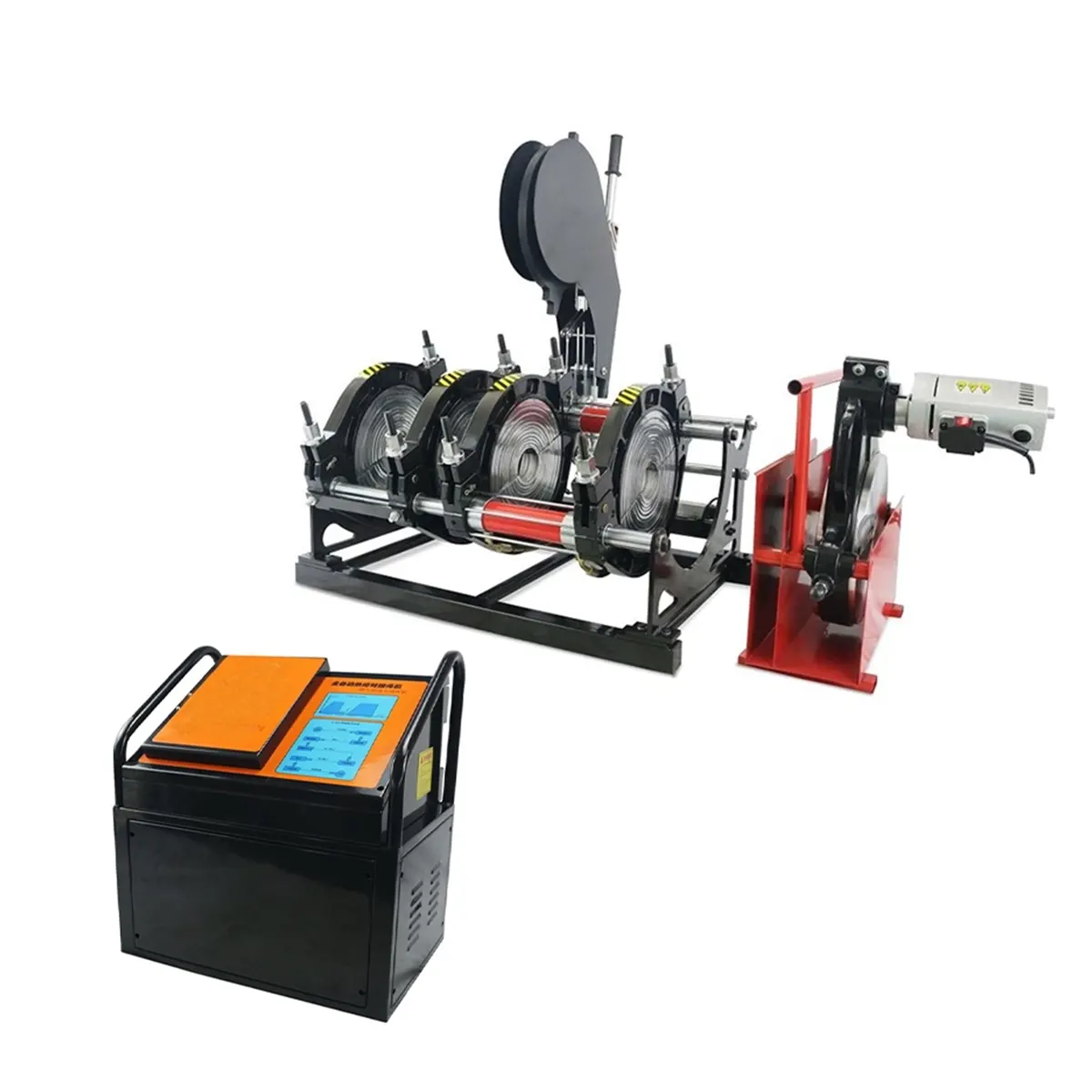
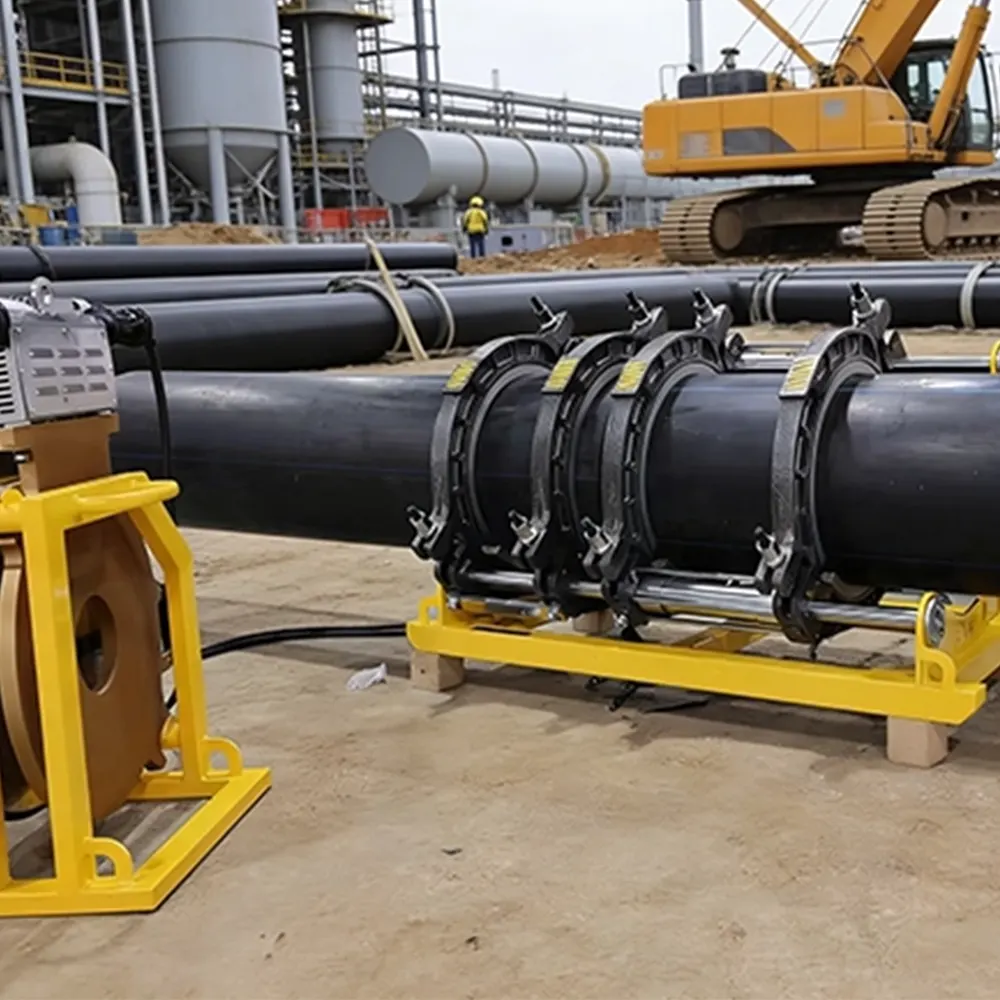
Butt fusion remains the dominant technique for mainline HDPE joints in Kenya because it creates homogeneous, high-strength connections. Electrofusion is commonly used for fittings and smaller repairs in urban networks. Machines range from portable manual units to hydraulic frames and fully automatic CNC systems for large-diameter pipelines. Matching the technology to the pipe diameter and project scale is essential for efficiency and quality.
Popular Machine Types for Kenyan Projects
- Manual/Portable Machines – ideal for remote rural installations and small-diameter pipes (commonly used by local contractors and county governments).
- Hydraulic Butt Fusion Frames – suited to medium and large pipelines used in municipal supply and irrigation canals.
- Automatic/CNC Machines – recommended for high-volume projects and large-diameter trunk lines where precision and data logging matter.
Selecting the Right Machine: Practical Tips for Kenyan Contractors
- Assess pipe diameters you work with most often—rural water committees often use 63–160mm, while municipal jobs may require 200–1000mm or more.
- Choose portability for dispersed rural sites and heavier hydraulic frames for long trunk mains.
- Consider power availability: electric models need stable supply, while hydraulic or petrol-driven units can work off-grid.
- Check local climate resilience—dust, heat, and seasonal rains in Kenya require robust, serviceable equipment.
- Prioritize machines with accessible spare parts and training packages for Kenyan crews to maintain weld quality.
Maintenance, Safety & Quality Control
Routine maintenance—clean heating plates, calibrated pressure systems, and inspection of clamps—ensures consistent welds. Kenyan site teams should implement joint testing and keep digital or logbook records for each fusion, especially for donor-funded or regulatory projects. Operator training and PPE reduce safety risks and improve first-pass weld success.
Quick Comparison: Machine Types
| Type | Best For | Pros | Cons |
|---|---|---|---|
| Manual Portable | Small rural jobs, repairs | Lightweight, low cost | Slower, operator dependent |
| Hydraulic Butt Fusion | Medium to large pipes | Higher pressure, consistent welds | Heavier, needs transport |
| Automatic / CNC | Large projects, trunk mains | Precision, data logging | Higher upfront cost, requires skilled operators |
Applications Across Kenyan Sectors
From county water utilities expanding distribution networks to irrigation projects in arid counties and mining operations in western Kenya, HDPE welding machines enable durable pipelines for potable water, wastewater, irrigation, and non-potable industrial fluids. NGOs working on community water points benefit from portable units, while large contractors deploying trunk mains need hydraulics or CNC solutions.
How to Procure and Support Your Fleet
When evaluating suppliers, look for documented quality control, spare part availability, and training packages tailored to Kenyan site conditions. For more technical specifications, ordering inquiries, and model recommendations, visit JQ-Fusion (https://jq-fusionwelding.com/).
Investing in the right HDPE welding equipment reduces leakages, speeds installation, and protects long-term service delivery for Kenya’s water and infrastructure projects. Prioritize training, local support, and the machine profile that matches project scale to maximize uptime and value.



