
Finding a Reliable Butt Fusion Machine Factory for Brunei Projects
Brunei’s growing need for robust pipeline infrastructure—driven by water distribution networks, residential development, and the oil & gas sector—means contractors and utilities must source dependable butt fusion equipment. Choosing the right factory and supplier ensures consistent weld quality, simplified logistics to Bandar Seri Begawan or Muara Port, and long-term service in Brunei’s humid tropical climate.
Which Types of Butt Fusion Machines Fit Local Needs?
Manual machines are ideal for small-diameter repairs and remote sites where portability matters. Hydraulic machines are the common choice for midsize to large diameter work used on municipal water and industrial pipelines. For high-volume prefabrication yards and contractors serving large developments or gas projects, automatic / CNC machines deliver repeatable cycles and data logging to meet strict quality requirements.
Key Specifications to Evaluate at the Factory
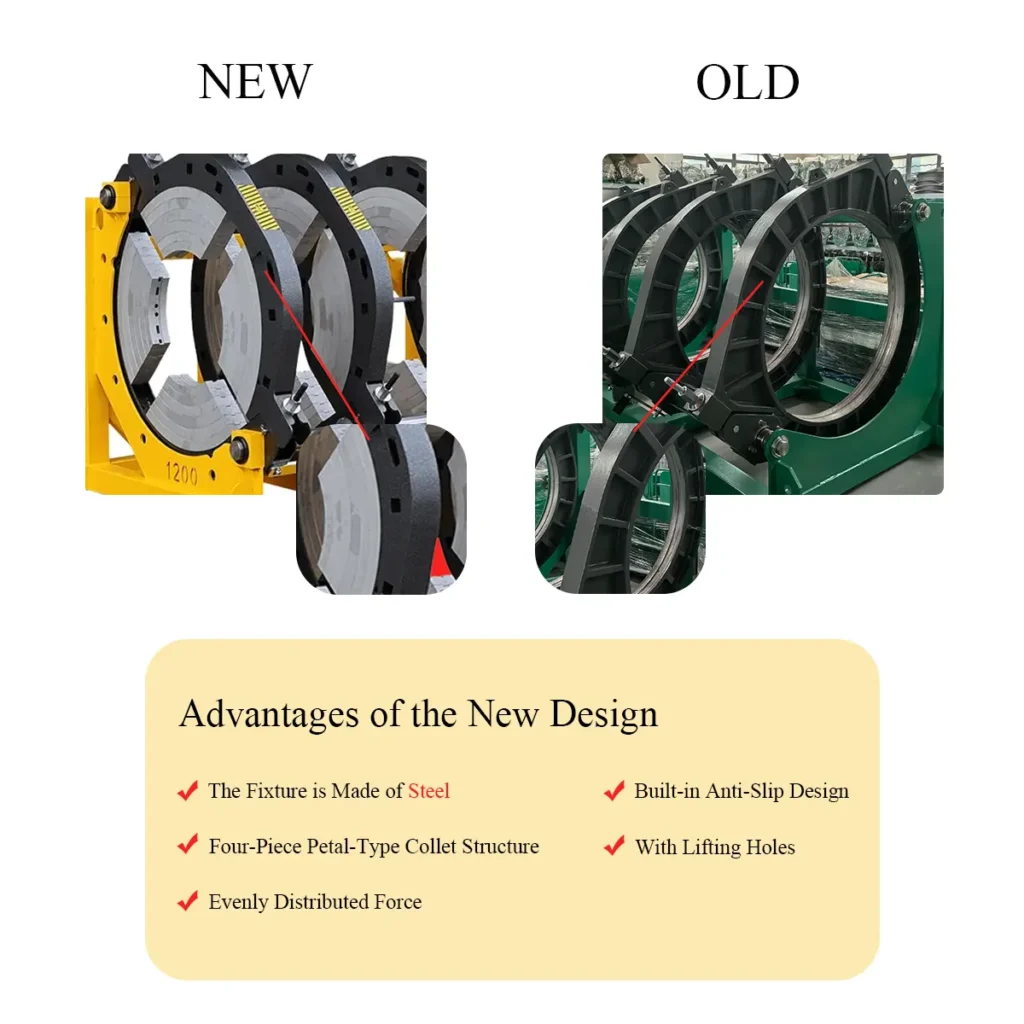
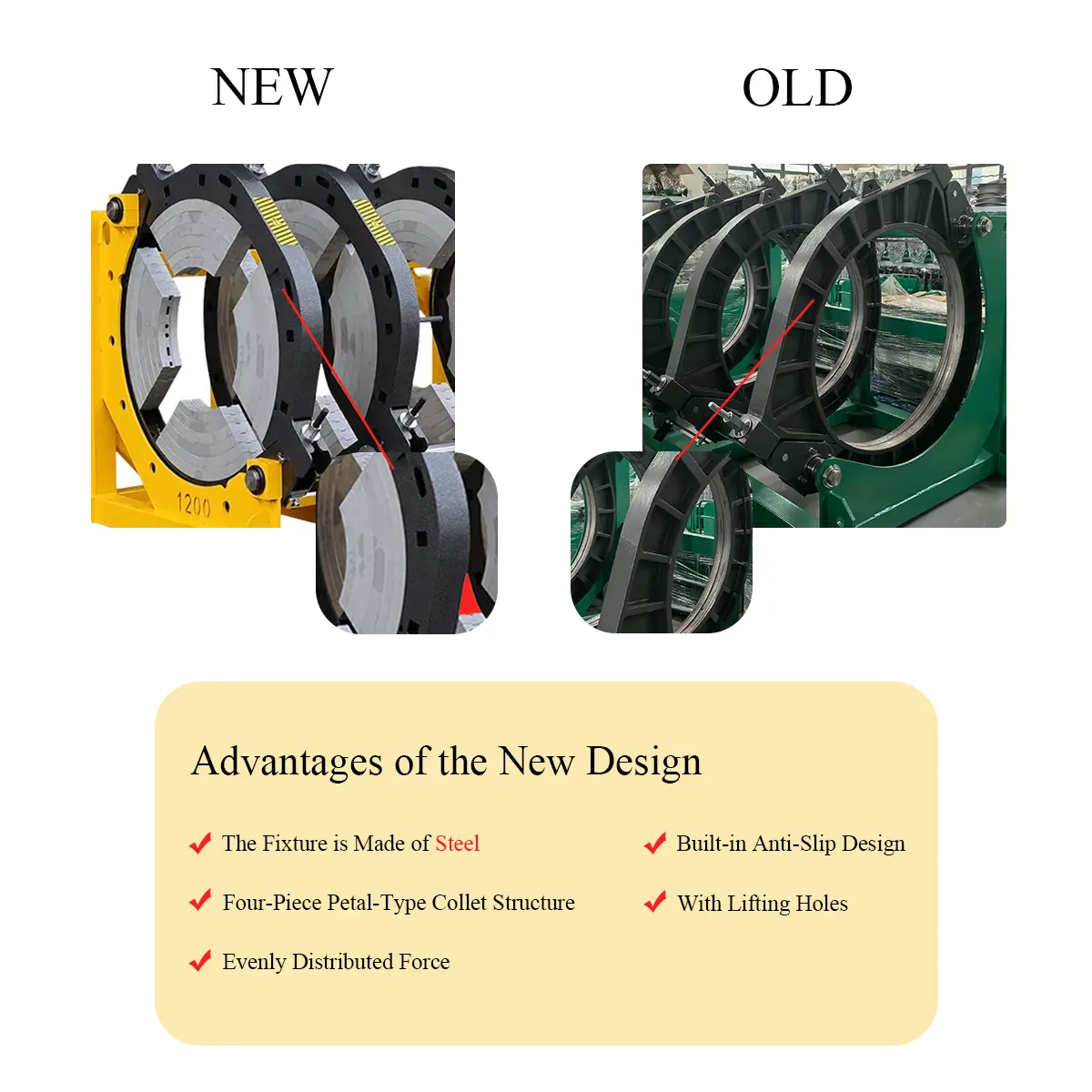
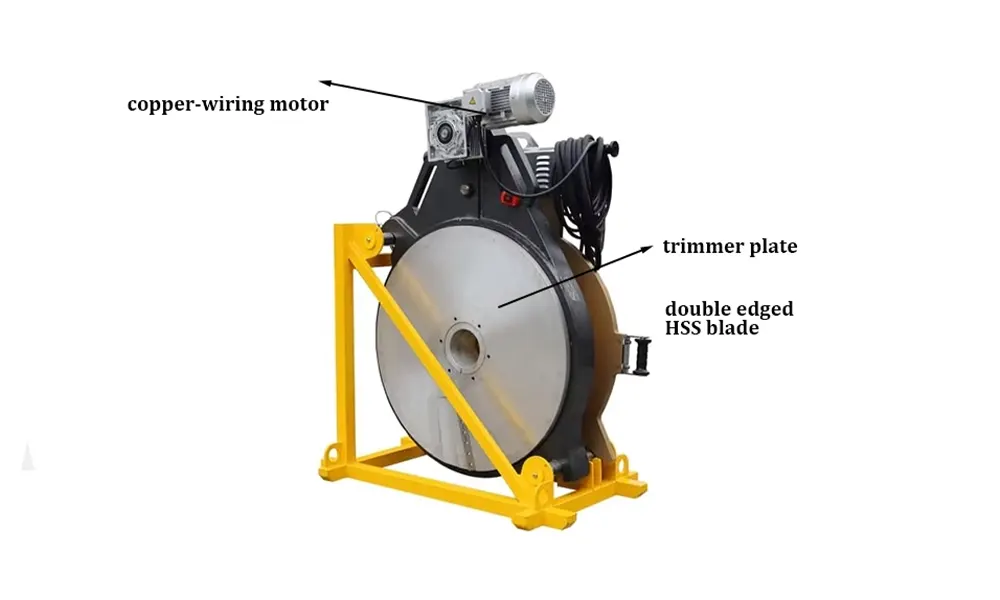
When vetting a butt fusion machine factory, inspect machine build quality (frame rigidity, clamp accuracy), heater plate flatness, hydraulic power ratings, and whether an integrated data logger or PLC is available. Look for factories that produce models covering a wide range of diameters—this avoids multiple vendors for different jobs.
Standards, Certifications & Welding Procedures
Ask suppliers about compliance with relevant standards such as ISO 4427 / EN 12201 for PE pipe systems and established welding procedure documentation (including DVS recommendations for plastic welding where applicable). A factory that supplies clear welding procedures, calibration certificates, and training records reduces risk on Brunei projects where regulatory checks or international funding may apply.
Supplier Selection Checklist
| What to Check | Why It Matters | Target / Tip |
|---|---|---|
| Machine Range (mm) | Covers your current and future pipe diameters | From 20mm up to large-diameter options |
| Quality Certificates | Ensures manufacturing & test standards | ISO / CE and welding procedure documentation |
| Data Logging | Traceability for critical pipelines | Digital logs or exportable CSV |
| Spare Parts & Service | Minimizes downtime in Brunei’s remote sites | Local stocking or quick shipment option |
| On-site Training | Ensures welders meet procedure requirements | Hands-on sessions + certification |
Logistics & Import Tips for Brunei
Shipping to Brunei typically goes through Muara Port. When sourcing from overseas factories, confirm Incoterms (FOB, CIF), lead times, and required customs documentation. Factor in local taxes, import permits for industrial equipment, and whether the supplier can assist with freight forwarding and clearance to reduce lead-time surprises.
Maintenance Advice for Tropical Climates
Brunei’s humidity and coastal salt exposure mean corrosion protection and storage matter. Request machines with anti-corrosion finishes or stainless components for exposed fasteners. Regularly change hydraulic oil, keep heater plates clean and covered when idle, and store electronic controllers in dry conditions to extend service life.
Training and After-Sales Support
Factory-provided training—both theoretical and on-site practical sessions—is invaluable. Prioritize suppliers that include start-up assistance, remote troubleshooting, and spare-part kits. For high-stakes projects (gas pipelines, municipal potable water), insist on a documented qualification program for welders and a clear warranty policy.
How to Approach a Factory Quote
When you ask factories for proposals, provide clear project details: pipe material grade (PE100/PE80), diameter range, wall thickness, expected daily joint rate, and whether you need transportable units or a workshop prefabrication line. Request itemized quotes covering machines, clamps, heater plates, data loggers, spares, training, and estimated shipping to Muara Port.
A Trusted Manufacturer Contact
For a comprehensive range of manual, hydraulic, and CNC automatic butt fusion welding machines—covering small to very large diameters—consider contacting JQ-Fusion (https://jq-fusionwelding.com/) for detailed specs, factory lead times, and training programs tailored to Brunei’s conditions.
Final Practical Tips for Brunei Buyers
Start with a pilot purchase: buy one unit with training, validate weld quality locally, then scale. Keep a minimal spare parts kit on hand, document welding parameters for your teams, and choose machines with simple controls and good service support. These steps cut project risk and ensure durable pipeline joints for Brunei’s infrastructure.



