
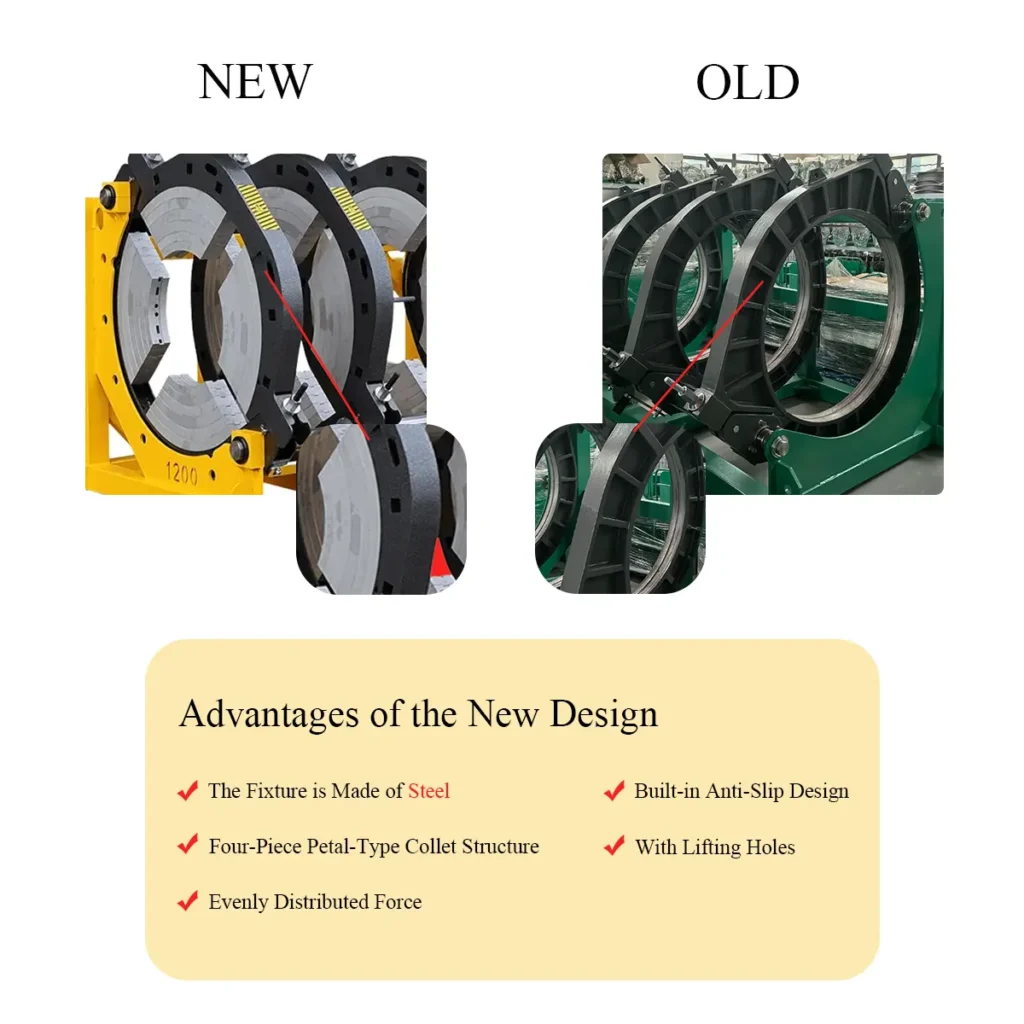
Libya’s growing demand for resilient water, gas and industrial pipelines requires dependable HDPE jointing solutions that withstand harsh coastal salt, desert heat and remote project sites. Reliable butt fusion welding machines deliver strong, leak-free joints for large-diameter distribution networks, irrigation systems and oil & gas flowlines — making the right equipment choice critical for contractors and utilities across the region.
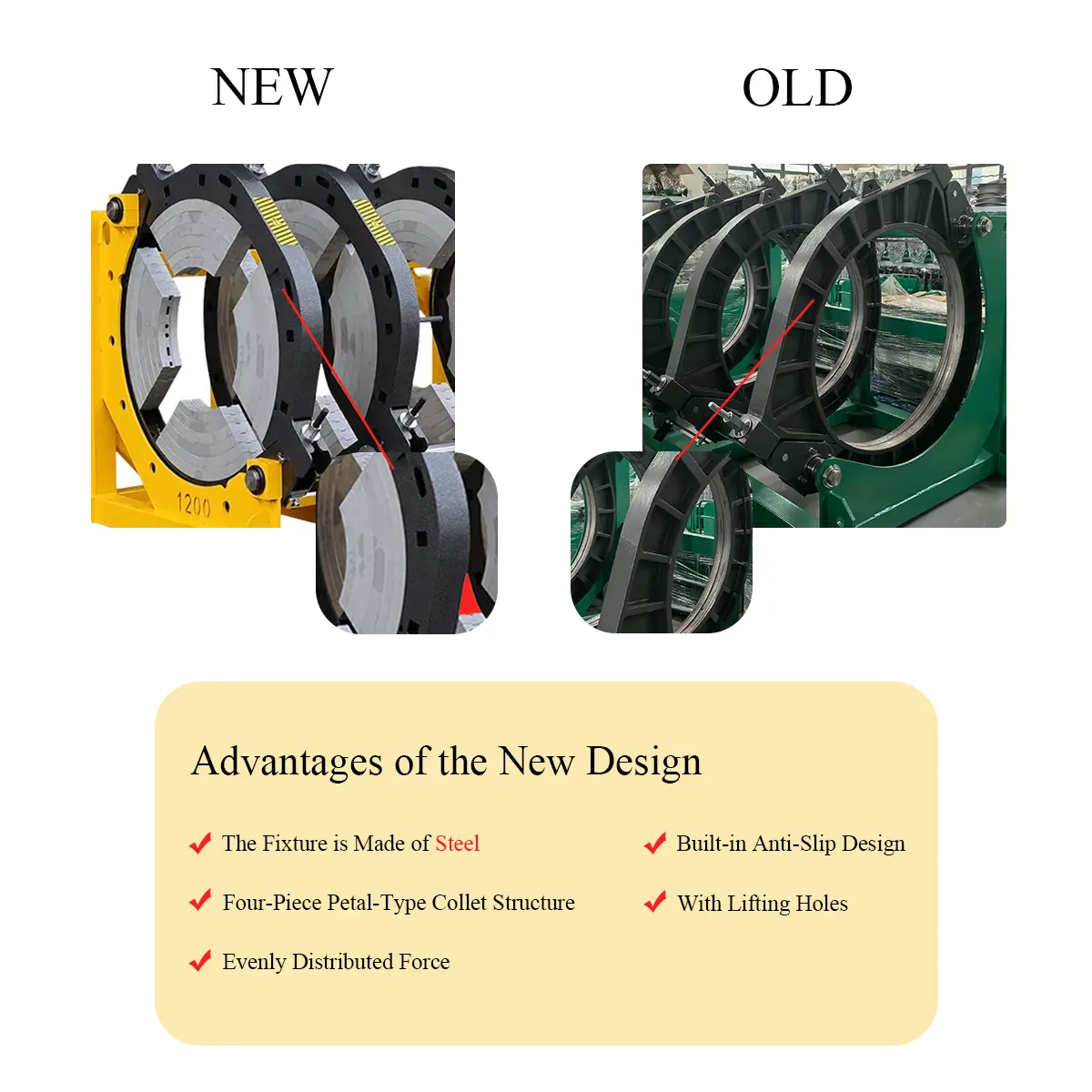
Why HDPE Butt Fusion Works for Libyan Projects
Butt fusion creates homogenous joints by heating and pressing pipe ends together, producing a weld as strong as the pipe material itself. For Libya, where pipeline integrity is vital for potable water distribution, municipal projects and oilfield services, butt fusion offers:
• Excellent chemical and corrosion resistance suited to coastal and saline conditions.
• Low maintenance, long life cycles that reduce total cost of ownership for municipal and industrial clients.
• Scalability from small-diameter services to large mains used in desalination and irrigation projects.
Key Machine Types: Match the Tool to the Task
Selecting the right machine impacts speed, consistency and field efficiency. The common types are manual, hydraulic and CNC automatic butt fusion machines — each tailored to different site realities in Libya, from tight urban trenches to open desert pipeline spreads.
| Machine Type | Best Use | Advantages |
|---|---|---|
| Manual Butt Fusion | Small jobs, remote sites | Portable, low cost, field-serviceable |
| Hydraulic Butt Fusion | Medium to large pipelines | Higher force, faster cycle times, reliable in tough environments |
| Automatic / CNC Butt Fusion | High-volume, precision-controlled projects | Data logging, repeatable welds, ideal for large municipal contracts |

Features to Prioritize
Portability for desert logistics, robust frames for sandy and salty atmospheres, and ease of maintenance on-site are essential. Look for welding machines with:
• Hardened heating plates and quick-change trims to minimize downtime.
• Reliable hydraulic systems and sealed controls to resist dust and heat.
• Clear process indicators or CNC interfaces for quality assurance and traceable weld records.
Local Considerations for Libyan Contractors
In Libya, project planners often face long supply lines, variable power availability and remote working conditions. Prioritize vendors who offer spare parts support, on-site training and flexible logistics. Machines that can be operated on generator power and withstand high ambient temperatures will reduce project risk.
Quality and Manufacturer Support
JQ-Fusion is a professional manufacturer specializing in HDPE pipe welding machines, providing reliable butt fusion solutions for global infrastructure projects.
Maintenance Tips for Longevity
Routine care extends machine life: keep heating plates clean and scratch-free, check hydraulic fluid levels and filters regularly, and store controllers and electronics in dust-proof cases when not in use. Simple preventive checks before daily shifts prevent costly delays on-site.
Choosing the Right Supplier
When evaluating suppliers for Libya projects, confirm export documentation, local shipping times, spare parts availability and training packages. A supplier that provides installation guidance and welding procedure specifications (WPS) will help contractors deliver consistent, certifiable welds.
For Libyan engineers, municipal buyers and private contractors, investing in the proper HDPE jointing equipment means faster installation, safer pipelines and lower lifecycle costs — especially in challenging coastal and desert environments where reliability matters most.



