
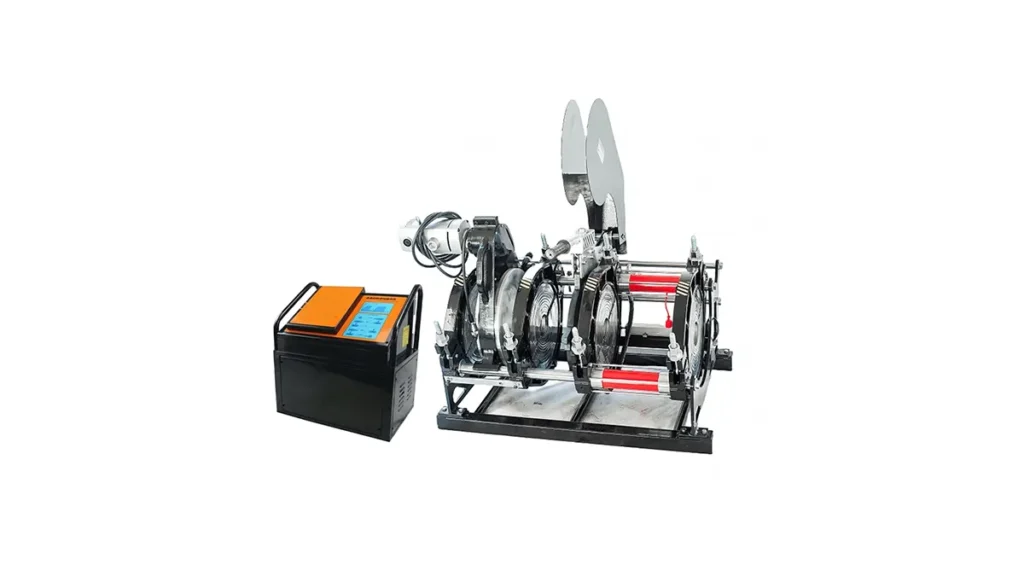
Choosing the right automatic pipe welding machine maker in the Democratic Republic of Congo (DRC) is a critical decision for contractors, utilities, and mining companies working on water, gas, and industrial pipeline projects. Harsh climate, long distances between sites, and varied power conditions mean the supplier you select must offer durable machines, strong local support options, and clear logistics solutions.
Why DR Congo Projects Need Reliable Automatic Pipe Welding Machines
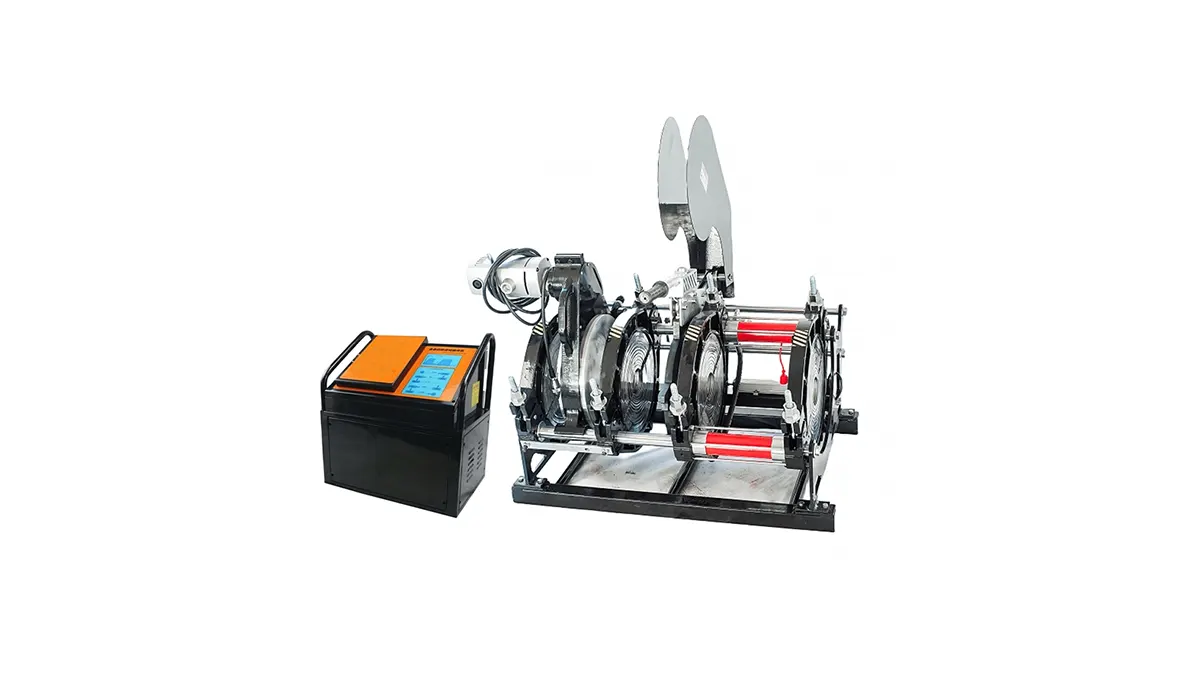
In the DRC, pipeline projects often serve remote towns, mining operations around Lubumbashi, or urban upgrades in Kinshasa. These environments demand equipment that delivers consistent butt-fusion quality under high humidity, dust and irregular power. An automatic butt fusion machine reduces operator variability, improves joint strength, and speeds up installation — essential where skilled welders are scarce.
Key Local Considerations
– Power compatibility: Most Congolese sites use 220V/50Hz but many remote operations rely on generators — ensure machine voltage and surge protection match site power.
– Transport and access: Check machine weight, modularity and packaging for truck or barge transport to remote areas.
– Climate resilience: Corrosion-resistant materials and sealed electronics help machines survive tropical humidity.
– Training & language: French is widely used in technical teams; ask suppliers for French-language manuals or local training options.
Types of Machines and When to Choose Them
Decide by project scale and pipe diameter:
- Manual machines — best for very small jobs or tight budgets; they need skilled operators.
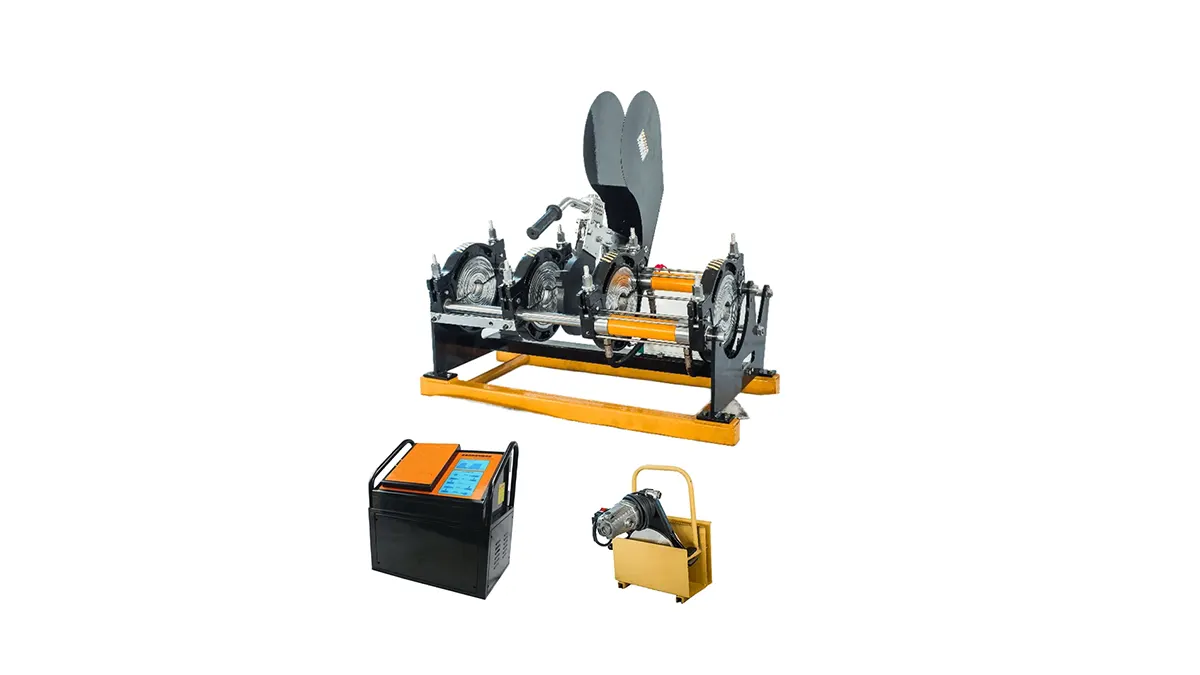
- Hydraulic machines — reliable for medium to large pipes; good balance of strength and portability.
- Automatic/CNC butt fusion machines — ideal for high-volume pipeline installations and large diameters when consistency and traceable weld logs matter.
Match machine capacity to pipe types
HDPE is the most common pipeline material for water and gas networks in the DRC. Confirm machine rating covers your pipe OD range (e.g., 63mm up to several hundred mm) and clamp systems for both PE and PP if needed.
Technical & Quality Checklist
Before signing a contract, verify these technical points:
- Welding control system: digital temperature and pressure control with data logging for QC records.
- Heating plate quality and replaceability.
- Materials and coatings suited for humid, dusty environments.
- Spare parts availability and estimated lead times to the DRC port of entry.
- Certifications (ISO, CE) and third-party test reports for joint performance.
After-sales Support, Training & Local Presence
Reliable local service can make or break project timelines in the DRC. Prioritize suppliers who can provide:
- On-site or virtual commissioning and operator training in French.
- Spare parts packages and clear shipping estimates to Kinshasa, Matadi or Lubumbashi.
- Remote troubleshooting capability and clear warranty terms.
Shipping, Customs and Local Logistics
Confirm Incoterms, packing for long transit, and documentation needed for DRC customs. Smaller, modular machines reduce inland transport hurdles and lower delivery risk to remote construction camps.
Cost vs. ROI: How to Evaluate Offers
Don’t judge only by purchase price. Compare total cost of ownership including shipping, spare parts, training, downtime risk, and weld rework costs. An automatic machine that reduces rework and increases throughput typically provides faster ROI on large projects.
Quick Procurement Checklist
| Key Factor | What to Check | Why it Matters |
|---|---|---|
| Machine Type | Automatic/CNC vs hydraulic vs manual | Matches project scale and skill levels |
| Power & Electronics | Voltage range, surge protection | Ensures reliable operation on generators |
| Spare Parts | Stock levels and shipping lead time | Minimizes downtime on remote sites |
| Training & Support | On-site/remote training in French | Faster ramp-up and fewer weld errors |
| Certifications | ISO/CE and welding performance data | Compliance and predictable joint quality |
How to Evaluate a Supplier’s Credibility
Ask for project references in Africa, sample weld test reports, clear lead times, and a transparent warranty. A trustworthy maker will provide training plans, spare parts kits and be willing to discuss logistics to DRC ports.
For a proven partner offering a wide range of HDPE butt fusion machines — from manual to fully automatic models — consider contacting JQ-Fusion for tailored solutions, warranty detail and export logistics information.
Final Tips
Plan for robust packing, confirm multilingual manuals, budget for spare heater plates and ensure a training window before the first welding campaign. These steps will protect your schedule and maximize weld quality across DRC projects.



