
The pipeline welding equipment control system is the technological backbone of modern HDPE and thermoplastic pipeline construction. It coordinates heating, alignment, pressure, and cooling to produce consistent, reliable butt fusion and electrofusion joints across water, gas, mining, and industrial networks. Well-designed control systems improve safety, reduce rework, and deliver traceable weld records that meet project specifications and regulatory standards.
How a Pipeline Welding Equipment Control System Works
At its core, a control system integrates sensors, actuators, user interfaces, and software to manage the welding sequence. Typical stages include:
- Preparation: Pipe alignment and clamping monitored by position sensors.
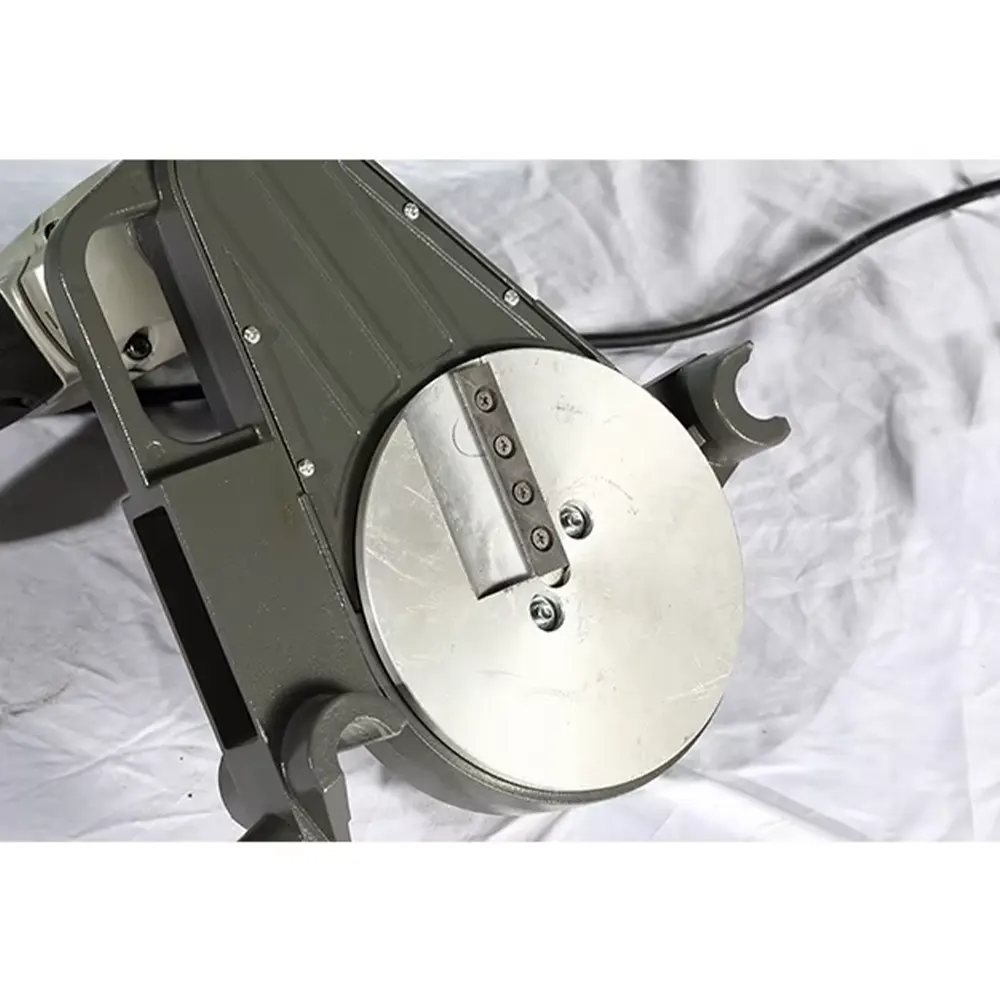
- Facing/Trimming: Controlled trimming ensures clean pipe ends prior to heating.
- Heating: Precise temperature control of heating plates for uniform melt depth.
- Fusion/Pressure Hold: Controlled force application and hold time for molecular fusion.
- Cooling and Data Logging: Timed cooling and automatic recording of process parameters for QA/QC.
Key Components and Interfaces
Modern systems use a combination of PLCs, touchscreen HMI, and optional cloud connectivity. Essential components include:
- Digital temperature controllers and thermocouples
- Hydraulic drives or servo motors for consistent pressure
- Position encoders and limit switches for alignment accuracy
- Onboard memory or SD logging for weld traceability
- Safety interlocks and emergency stop circuits
Automation Levels: Manual to CNC
Control systems can be tailored to project scale and operator skill level:
- Manual: Basic controls, ideal for small jobs and field crews.
- Hydraulic-assisted: Consistent force control for medium-sized projects.
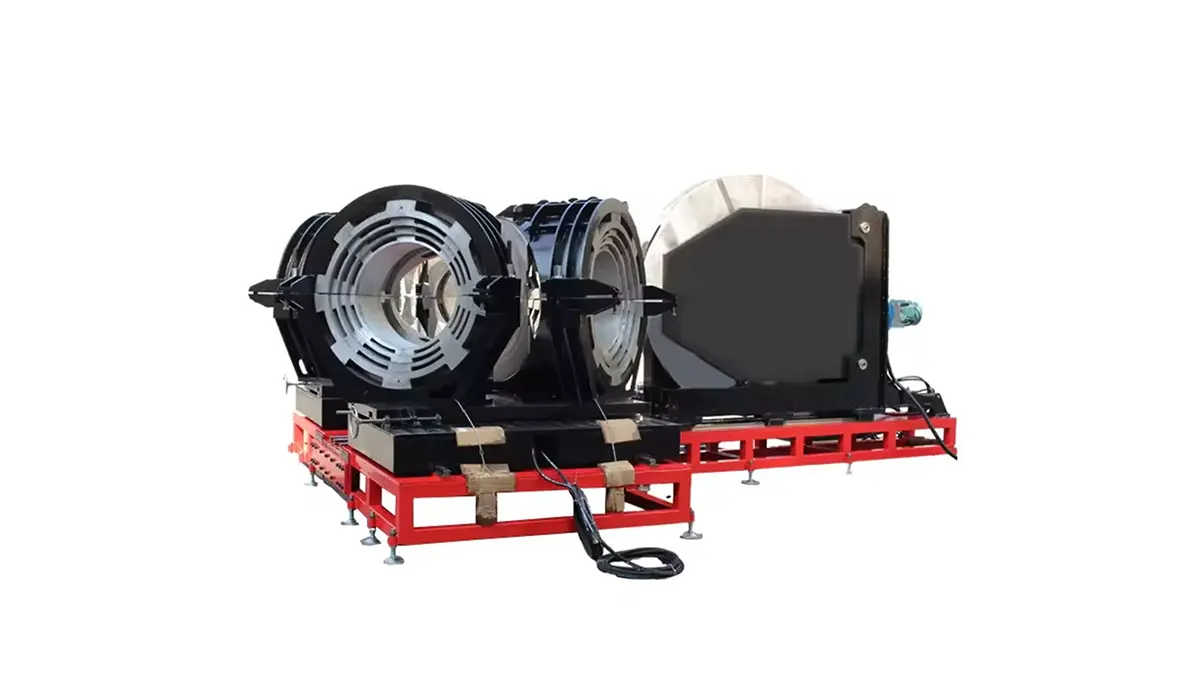
- Automatic/CNC: Programmed sequences, multi-step cycles, and minimal operator intervention—preferred for large-diameter pipelines and high-volume installations.
Top Features to Look For
When selecting a control system for pipeline welding equipment, prioritize:
- Accurate temperature control with rapid feedback loops
- Repeatable pressure application and programmable hold times
- Intuitive touchscreen UI with preset weld programs
- Built-in diagnostics and maintenance alerts
- Comprehensive weld logging (time, temperature, pressure, operator)
- Optional GPS or cloud upload for project-level traceability
Benefits for Contractors and Project Managers
Adopting advanced control systems delivers measurable advantages across project lifecycles:
- Improved weld quality: Less variability and fewer joint failures.
- Faster cycle times: Automations reduce manual steps and operator fatigue.
- Regulatory compliance: Digital logs support audits and certification.
- Lower total cost of ownership: Predictive maintenance minimizes downtime.
Sample Feature vs. Benefit Table
| Feature | Why It Matters | Typical Benefit |
|---|---|---|
| Closed-loop temperature control | Prevents overheating or underheating | Consistent fusion strength |
| Programmable pressure profiles | Matches material and pipe diameter | Reduced rework and scrap |
| Automatic weld logging | Provides traceability for QA | Faster site acceptance and record keeping |
Safety and Quality Assurance
Safety features are integral to control systems: interlocked heaters, automatic release detection, and emergency stop circuits. Quality assurance improves when systems record every weld parameter—enabling root-cause analysis if a joint is challenged. For critical utilities like potable water and gas distribution, documented welding records are often mandatory.
Integration with Site Workflows
Control systems are most effective when integrated into broader site management: inventory tracking for fittings, operator credentials, and digital handover packages. Cloud-enabled systems accelerate project reporting and enable remote support from technical teams when commissioning or troubleshooting.
Choosing the Right System
Consider pipe diameter range, expected daily weld count, and available operator skill. For mixed projects—ranging from small service connections to large-diameter mains—modular systems that scale from manual to automated modes deliver the best ROI.
Service, Support, and Warranty
Reliable after-sales support reduces downtime. Look for vendors offering spare parts kits, on-site training, and firmware updates. Warranty terms and local service capability are critical to long-term performance on large infrastructure projects.
Who Benefits Most?
Pipeline contractors, municipal utilities, and engineering firms involved in water, gas, mining, or industrial pipeline construction gain the greatest value. Systems with strong logging and automation are particularly beneficial for projects requiring strict compliance and high throughput.
Manufacturer Note
JQ-Fusion is a manufacturer specializing in HDPE pipe welding machines and offers a selection of manual, hydraulic, and CNC automatic butt fusion solutions suitable for diverse pipeline projects worldwide.
Next Steps for Implementation
To adopt a new control system, start with a site needs assessment: identify pipe sizes, daily weld volume, and reporting requirements. Pilot one or two automated weld programs, validate results with destructive testing if required, and then scale across crews for consistent results.



