
Finland’s demanding climate and high standards for municipal and industrial piping make reliable HDPE jointing solutions essential. This article explains how modern butt fusion machines deliver durable, leak-free connections for water, gas, district heating, and drainage systems — with practical guidance for Finnish contractors, utility engineers, and pipeline installers.
Why HDPE Butt Fusion Works Well in Finland
HDPE pipe systems are popular across Finland because they resist corrosion, tolerate ground movement from frost heave, and remain flexible at low temperatures. Butt fusion welding creates homogeneous joints that match the pipe’s strength, making it ideal for long-term infrastructure projects in municipalities, rural utilities, and private developments.
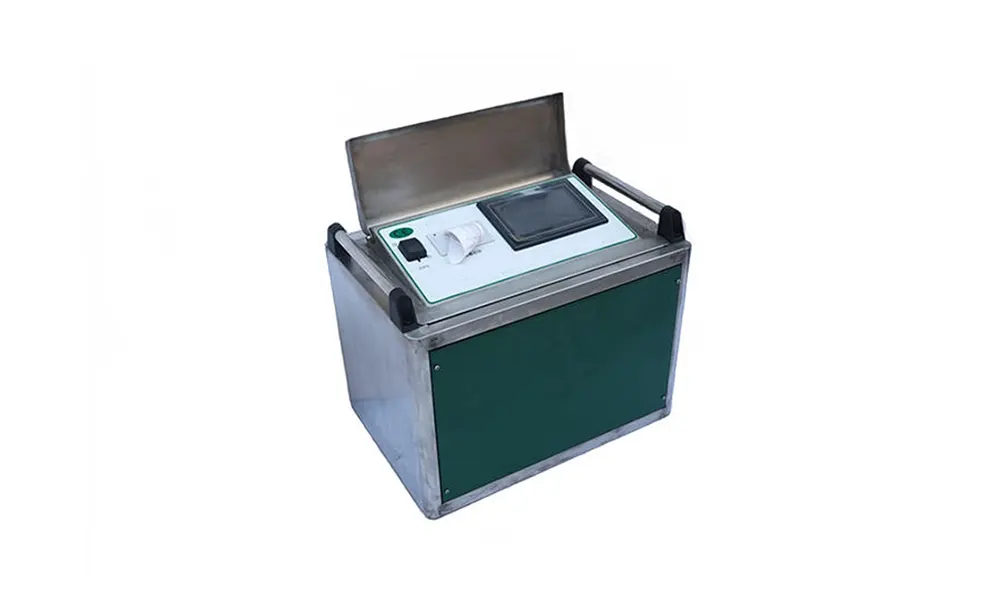
Application Scenarios in Finnish Projects
Typical uses include:
• Cold-region potable water distribution and repair work for small towns and seasonal settlements.
• Gas distribution lines requiring certified, traceable welds.
• District heating and industrial pipelines that need high-temperature stability and robust mechanical performance.
• Trenchless installations and repairs where joint quality and speed reduce disruption in urban areas.
Machine Types & Quick Selection Guide
| Machine Type | Best For | Pipe Range | Key Advantage |
|---|---|---|---|
| Manual Butt Fusion | Small jobs, tight budgets | 20–315 mm | Portable and simple operation |
| Hydraulic Butt Fusion | Medium to large pipelines | 160–1600 mm | Higher clamping force, faster cycles |
| CNC Automatic Butt Fusion | High-volume or precision projects | 63–1000+ mm | Repeatable, data-logged welds |
Use hydraulic or CNC models for municipal and industrial networks to ensure consistent weld parameters and traceable documentation required by many Finnish authorities and contractors.
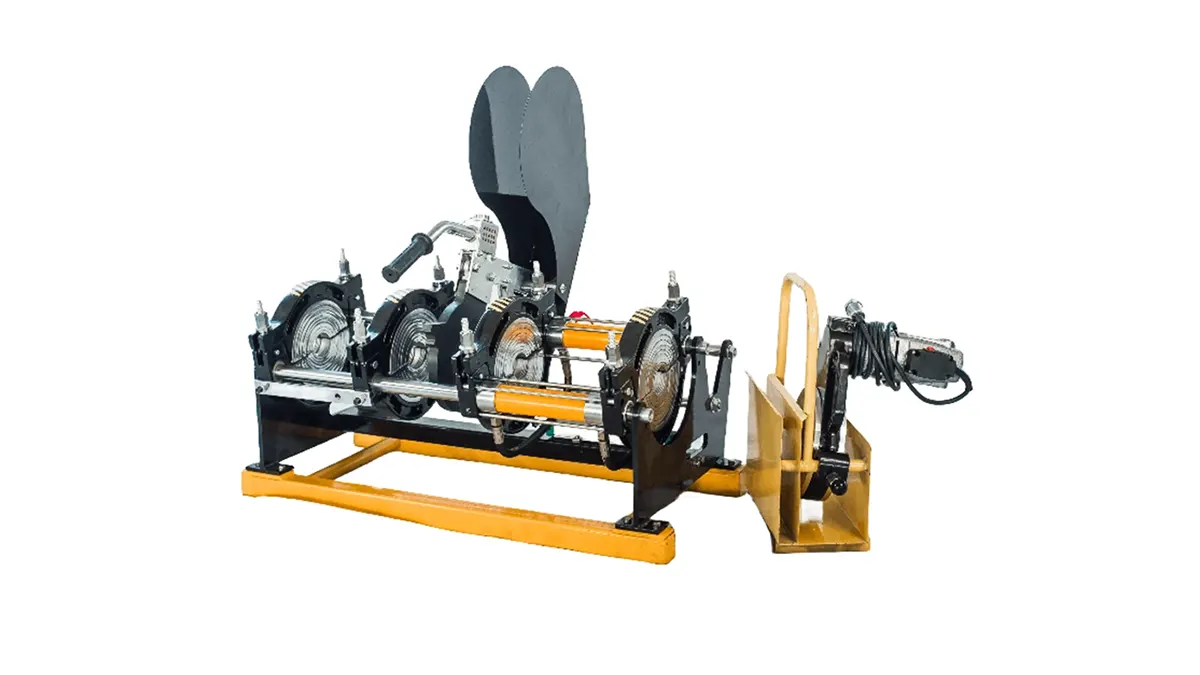
Practical Tips for Site Teams in Finland
Pre-weld preparation: Keep pipe ends clean and dry; in winter use sheltered work areas or temporary heating to meet fusion temperature requirements.
Parameter control: Verify alignment, facing accuracy and fusion pressure — use data-logging machines where documentation is required for quality assurance.
Operator training: Ensure teams are trained in butt fusion best practices and cold-weather procedures to minimize rework and guarantee joint integrity.
Inspection & Compliance
For Finland’s regulatory and procurement environments, choose equipment that supports traceable weld records and meets recognized standards. Regular calibration of heaters, facing tools, and pressure systems helps maintain compliance and reduces downtime during seasons with limited working daylight.
Buying Considerations
When selecting equipment, consider:
• The typical pipe diameters you install and whether you need a portable or production-line machine.
• The importance of automated controls and weld logging for public contracts.
• Service, spare parts availability, and responsive technical support within Europe.
For reliable, high-performance butt fusion equipment that supports Finland’s infrastructure needs, explore options from a manufacturer with a strong portfolio in manual, hydraulic, and CNC automatic machines. Visit JQ-Fusion for model details, certifications, and tailored solutions.



