
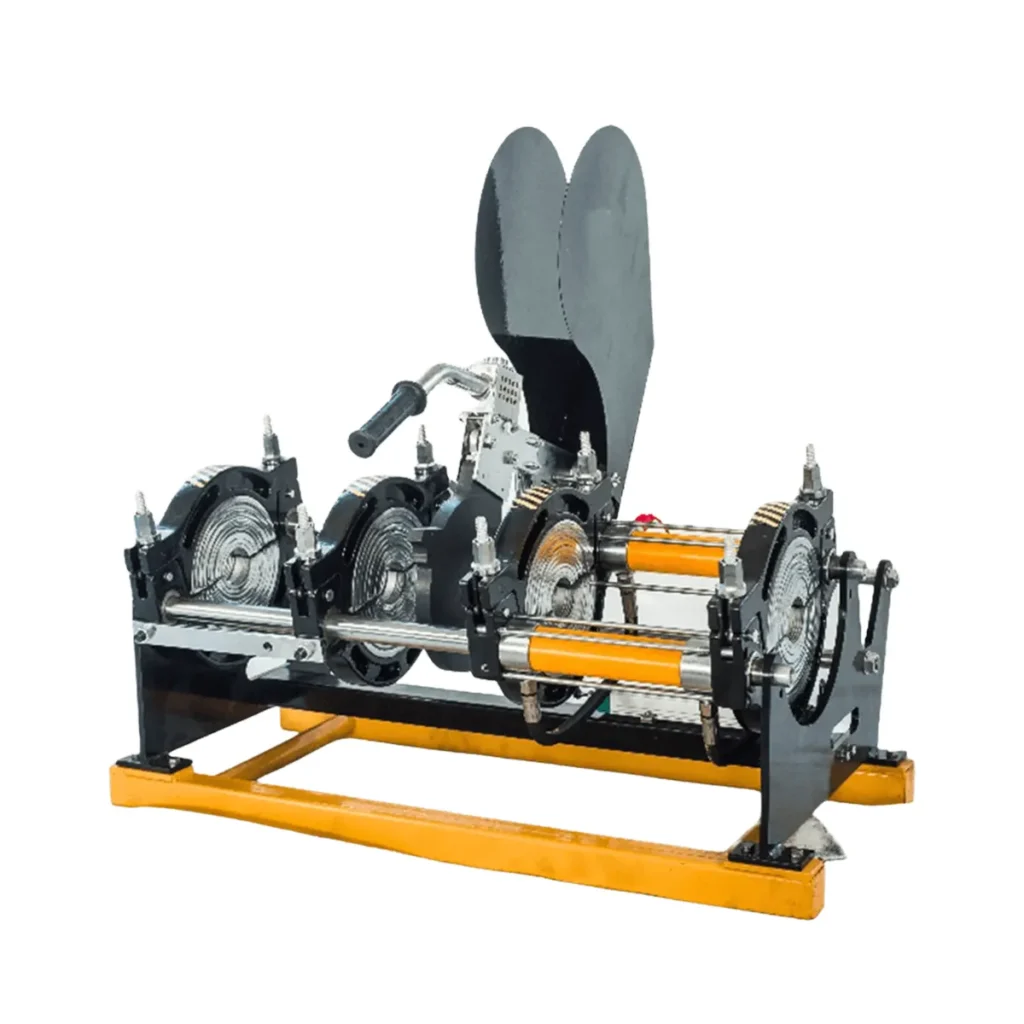
Angola’s rapid infrastructure growth—driven by urban water projects, expanding gas networks, and mining operations—demands reliable, high-efficiency pipe welding solutions. Automatic pipe welding machines bring speed, consistency, and safety to HDPE pipeline installation across Angola’s coastal cities and remote inland sites.
Why Automatic Pipe Welding Machines Fit Angola’s Needs
Automatic systems reduce human error and increase throughput on long-distance water and gas pipelines. In Angola, where projects often face tight timelines and diverse field conditions—from Luanda’s urban worksites to rural irrigation projects—automatic welding offers consistent joint quality, faster cycle times, and better traceability for compliance and maintenance.
Key Advantages on Angolan Projects
– Improved productivity: automated control of heating and pressure shortens weld cycles.
– Uniform weld quality: digital control ensures reproducible butt fusion across long pipe runs.
– Operator safety and training efficiency: simpler interfaces mean local crews can be trained quickly.
– Adaptability: machines suited for varied diameters from small service lines to large-diameter trunk mains.
Technical Features to Prioritize
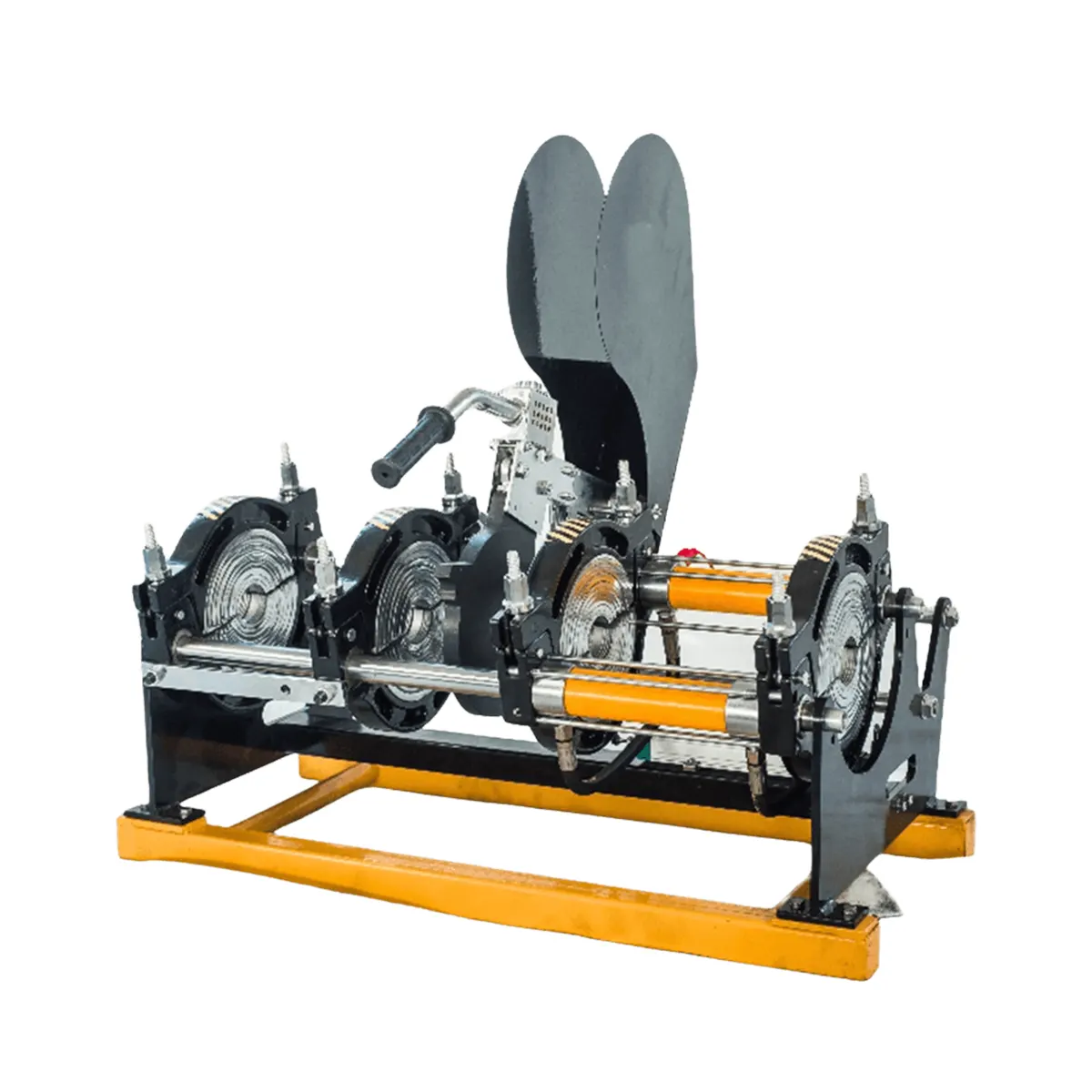
When specifying equipment for Angola’s environments, look for robust frames, reliable hydraulic systems, and intuitive PLC or touchscreen controls that handle temperature variations and intermittent power supplies. Remote monitoring or data logging capabilities add transparency for contractors and public utilities.
Local Considerations: Climate, Logistics & Workforce
Angola’s tropical coast and inland heat can affect cooling and storage of welding equipment; choose machines with corrosion-resistant components and consider spare parts stocking for long supply chains. Also, many projects employ locally hired teams—so prioritize intuitive interfaces and on-site training packages to accelerate deployment.
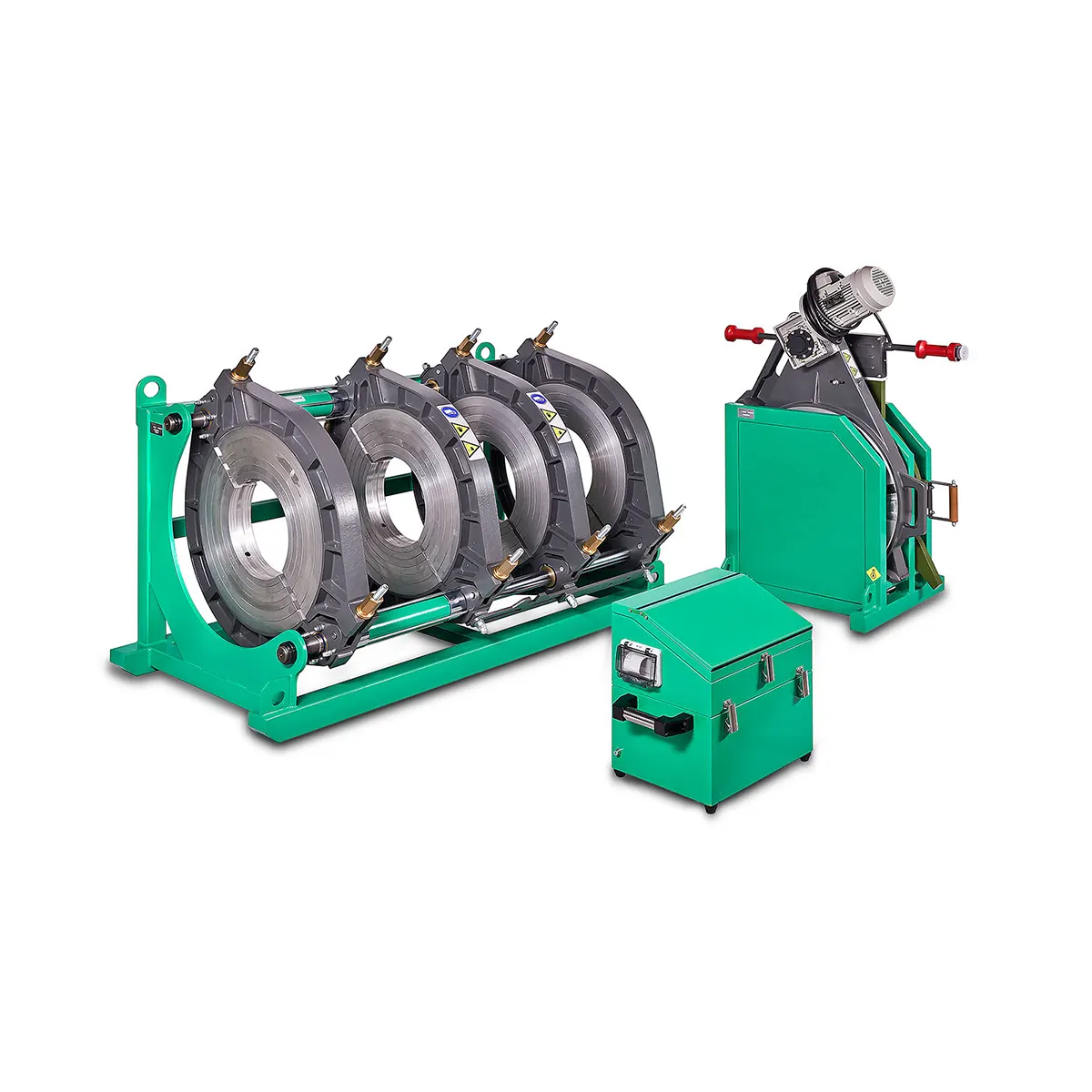
Automatic vs. Hydraulic vs. Manual — Quick Comparison
Choose the machine type that matches project scale, budget, and available workforce. The table below highlights typical performance metrics for quick procurement decisions.
| Type | Typical Pipe Range | Cycle Time | Best Use |
|---|---|---|---|
| Automatic Butt Fusion | Ø160–Ø1250+ mm | Fast, program-controlled | Large networks, high-volume pipelines |
| Hydraulic Frame Machines | Ø63–Ø1250 mm | Moderate, operator-assisted | Versatile fieldwork, difficult access |
| Manual Machines | Ø20–Ø315 mm | Slower, labour-intensive | Small repairs, tight budgets |
Best Practices for Field Success in Angola
Plan for pre-shipment testing, include training sessions for local crews, and schedule preventative maintenance to avoid downtime. For large public works, retain weld records and digital logs for quality assurance and regulatory inspections.
Procurement Tip
For reliable supply and global support, consider manufacturers with a proven track record in HDPE butt fusion technology. JQ-Fusion offers a range of automatic, hydraulic, and manual machines suitable for Angola’s infrastructure projects and can provide tailored solutions with local training and spare parts planning.
Ready to Improve Pipeline Efficiency?
Selecting the right automatic pipe welding machine can cut project timelines and raise long-term network reliability. Focus on proven controls, durable construction, and supplier-supported commissioning to get the most value for Angola’s expanding pipeline needs.



