
Hydraulic butt fusion machines are essential for reliable HDPE pipeline installation across Venezuela — from urban water networks in Caracas to gas distribution and agricultural irrigation systems in the Llanos. This guide helps buyers, contractors, and procurement teams choose the right hydraulic butt fusion machine, understand common uses, and compare top options suited to Venezuelan project conditions.
Why choose a hydraulic butt fusion machine in Venezuela?
Hydraulic butt fusion machines deliver consistent, high-quality welds for polyethylene (HDPE) pipes, which makes them the preferred solution for long-term infrastructure projects. In Venezuela, where climatic extremes (coastal humidity, tropical heat, and inland wet seasons) and varied terrain demand durable piping systems, hydraulic machines offer strong clamping force, precise alignment, and repeatable weld parameters — all critical for leak-free networks.
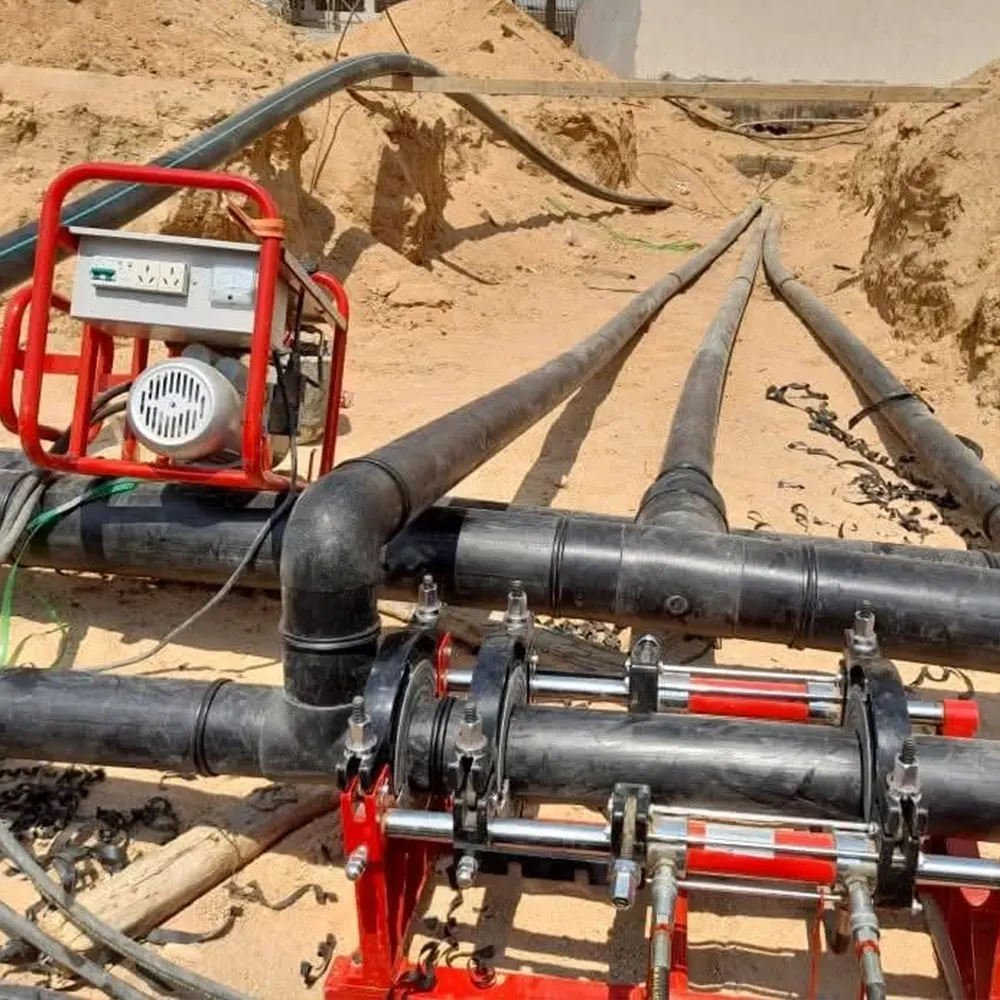
Common applications across Venezuelan regions
- Municipal water supply: Reliable joints for potable water mains in cities like Maracaibo and Valencia.
- Gas distribution: Safe, corrosion-resistant welds for low-pressure distribution networks.
- Irrigation and agriculture: Large-scale irrigation systems in the Llanos and agricultural states.
- Mining and industrial pipelines: Heavy-duty machines for plant feeds and tailings lines.
Benefits for local contractors
Hydraulic units reduce operator fatigue on long runs and maintain weld quality under field conditions — a major advantage for crews working remote sites in Venezuela where access to workshop facilities may be limited.
Buyer’s checklist: What to evaluate before purchase
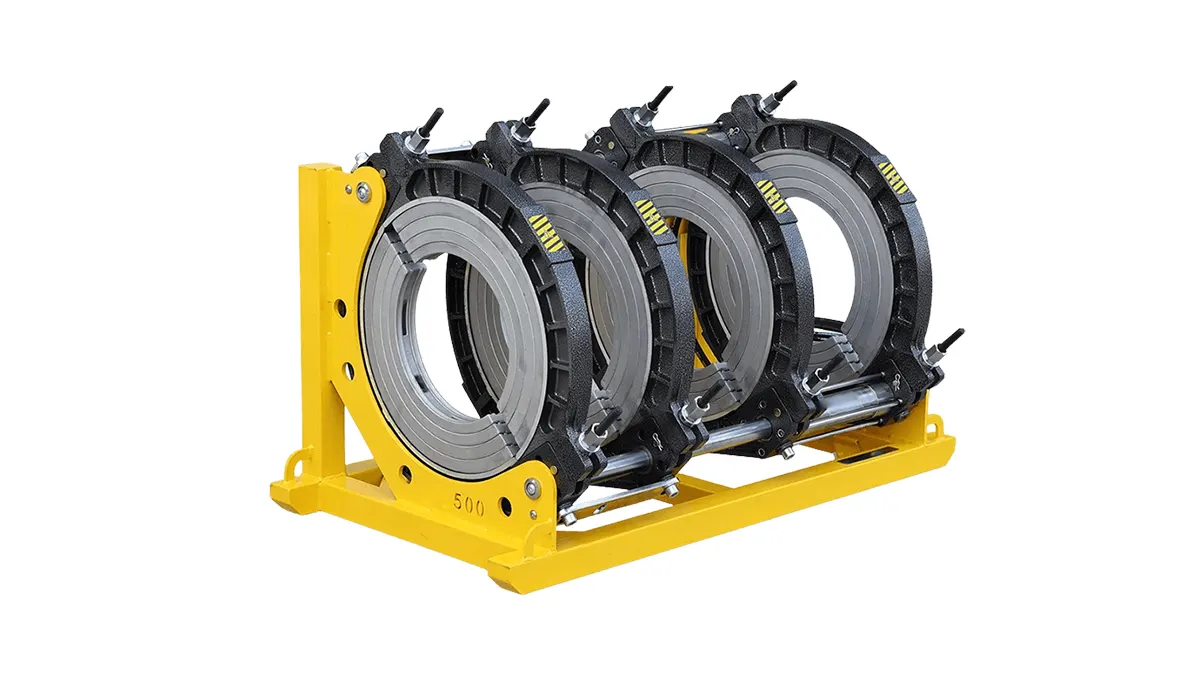
- Pipe diameter range: Match machine capacity to your typical project sizes (small-diameter distribution vs. large trunk mains).
- Portability: Consider frame design and weight for access to rural or mountainous sites.
- Power source: Hydraulic power packs can be electric, petrol, or diesel — choose based on site electrification and fuel availability.
- Control and automation: Semi-automatic or CNC controllers reduce variability and speed up fusion cycles.
- Spare parts & service: Local parts availability or reliable exporter support reduces downtime in Venezuela.
Quick comparison table — typical hydraulic models
| Model | Pipe Range (mm) | Power | Best for |
|---|---|---|---|
| JQH160 | 16–160 | Electric / Portable | Small distribution / urban repairs |
| JQH315 | 90–315 | Hydraulic pack (diesel/electric) | Medium mains & irrigation |
| JQH500 | 200–500 | Hydraulic / Mobile | Large diameter trunk lines |
| JQH1000+ | 630–2000 | Heavy hydraulic / stationary | Industrial & major infrastructure |
Site considerations and logistics in Venezuela
Plan for seasonal weather: rainy months increase site mud and access difficulty. For remote projects, prioritize machines with simple maintenance and options for diesel-powered hydraulic units when grid power is unreliable. Shipping lead times and customs clearance vary by port (La Guaira, Puerto Cabello); work with suppliers familiar with Venezuelan export and import practices.
Training, safety, and maintenance
Invest in operator training for fusion parameters, heating plate care, and joint validation (visual and destructive testing). Routine maintenance — hydraulic oil checks, heater plate inspection, and clamp jaw alignment — extends machine life. Ensure teams use PPE and follow local safety regulations during hot plate handling and heavy lifting.
Regulatory and standards notes
Confirm fusion procedures align with international standards (ISO 21307 / ISO 12176 guidance) and any Venezuelan municipal requirements for potable water and gas installations.
Where to buy and after-sales support
For a reliable supplier with a broad range of hydraulic butt fusion machines and global project experience, consider contacting JQ-Fusion for model selection, customization, and export support to Venezuela: JQ-Fusion.
Final tips for buyers
Match machine capacity to your largest planned pipe diameter, prefer semi- or fully-automated controls for consistency, and confirm spare parts availability. Plan operator training and a preventive maintenance schedule to maximize uptime for Venezuelan projects operating in diverse climates and terrains.



