
HDPE electrofusion welding machines have become essential for reliable polyethylene pipeline installation across the Philippines — from municipal water networks in Metro Manila to rural irrigation projects in Mindanao. This guide explains why electrofusion is popular locally, how to choose the right machine, typical uses, and practical price tips for Filipino contractors and distributors.
Why Electrofusion for HDPE Pipes in the Philippines?
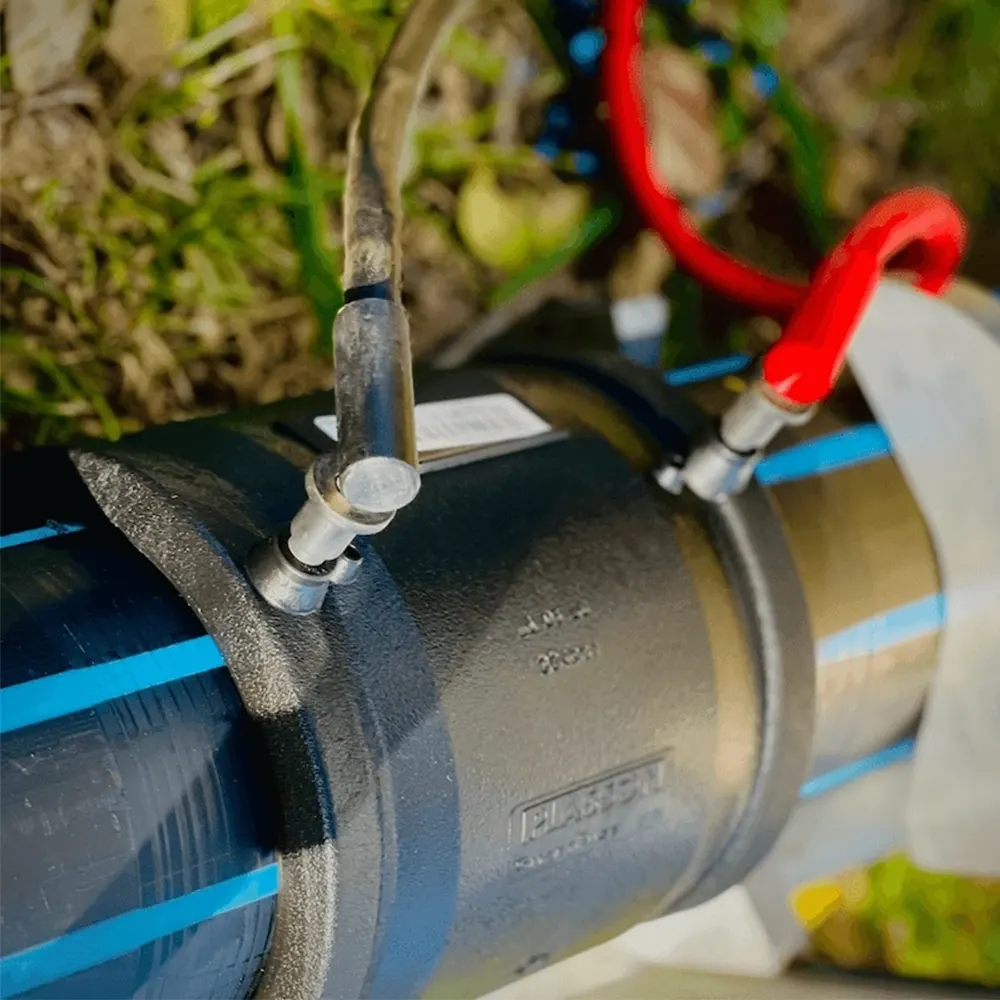
Electrofusion welding is favored for HDPE piping because it creates uniform, leak-free joints with excellent chemical and corrosion resistance — critical for the humid, coastal and often seismic regions of the Philippines. Electrofusion fittings speed up fieldwork in congested urban sites and remote islands where access to specialized welders is limited. Projects in water supply, LPG distribution, drainage, and agriculture benefit from consistent weld quality and reduced post-installation maintenance.
Core Advantages
Electrofusion offers: high joint strength, reliable sealing in wet conditions, minimal surface preparation, and simple operation for small crews. These advantages translate to faster project timelines and lower lifecycle costs — a major plus for municipal and private contractors managing tight budgets in provincial areas.
Types of Electrofusion Machines to Consider
Select based on pipe diameter, automation needs, and job frequency:
- Portable manual electrofusion units — ideal for service repairs and remote site work (small to medium diameter).
- Bench or semi-automatic machines — best for workshop assembly and higher throughput on medium diameters.
- Fully automatic & digital electrofusion processors — suited for large infrastructure projects where precise control and traceable weld logs are required.
Buying Guide: What Filipino Buyers Should Check
When purchasing an electrofusion welding machine in the Philippines, evaluate these key factors to match equipment to field conditions and regulatory requirements:
Power & Portability
Confirm voltage compatibility (110V/220V) and whether battery operation or inverter support is needed for island or rural sites.
Control & Traceability
Look for digital controls, temperature compensation, and weld reporting features if your projects require QA/QC certification or record-keeping for government contracts.
Spare parts & local support
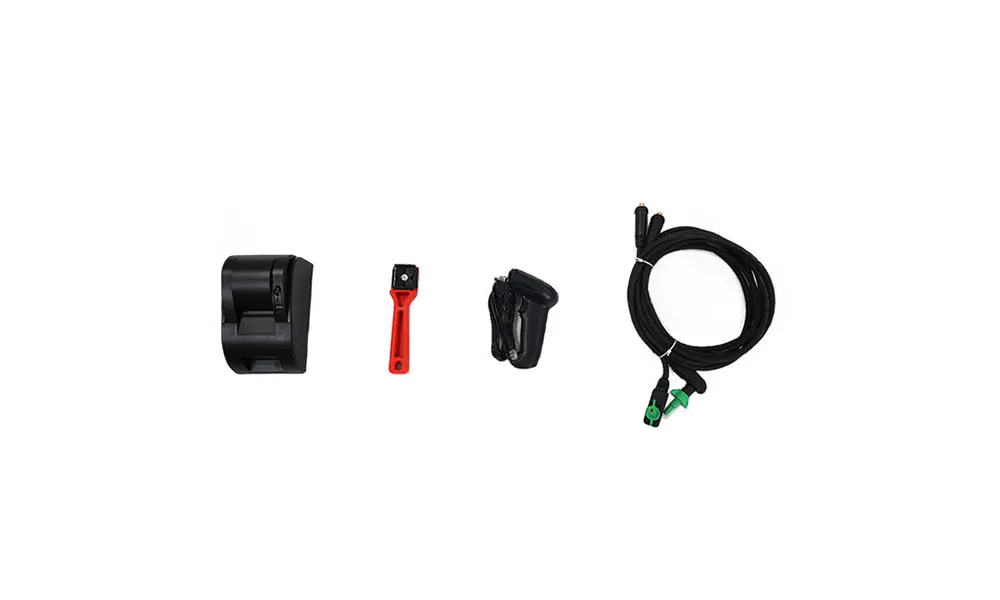
Availability of replacement heating coils, cables, and technical service improves uptime — especially important when working across multiple Philippine islands.
Price Ranges & Budget Tips
Electrofusion machine costs can vary widely depending on automation and capacity. Below is a quick reference table with approximate ranges (local market prices may vary due to shipping, taxes, and distributor margins).
| Machine Type | Typical Size Range | Approx. Price (PHP) | Approx. Price (USD) |
|---|---|---|---|
| Portable Manual Unit | 20mm–125mm | PHP 30,000 – 120,000 | USD 500 – 2,100 |
| Bench / Semi-automatic | 63mm–315mm | PHP 120,000 – 450,000 | USD 2,100 – 7,800 |
| Automatic / Digital Systems | 160mm–630mm+ | PHP 450,000 – 3,500,000+ | USD 7,800 – 60,000+ |
Smart Buying Tips for the Philippines
1) Buy for the widest likely pipe range to avoid multiple machines. 2) Prioritize models with local power flexibility and battery/inverter compatibility. 3) Negotiate bundled spare parts and training, especially if working with municipal clients who expect documented weld quality. 4) Factor in import duties and sea freight if ordering from international manufacturers.
Maintenance & Field Best Practices
Keep connectors, heating coils, and clamps clean and dry. Use consistent weld procedures and log every joint. For coastal projects, apply corrosion protection to connector terminals and store equipment in ventilated, dry containers between jobs.
Common Applications in the Philippines
Electrofusion welding is widely used for potable water mains, irrigation networks in agricultural provinces, LPG distribution in urban centers, landfill leachate lines, and industrial plumbing for mining and food processing sites.
Where to Learn More
For machine models, spare parts availability, and export options to the Philippines, visit JQ-Fusion at https://jq-fusionwelding.com/



