
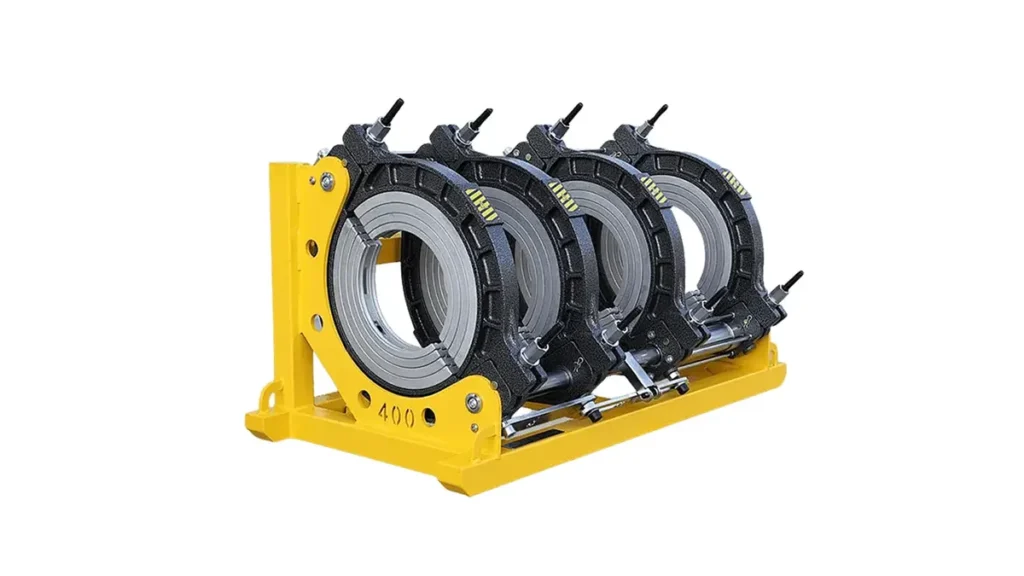
Hydraulic HDPE pipe welding machines deliver consistent, high-strength butt fusion joints for demanding pipeline applications. Built for durability and precision, these machines combine hydraulic force with controlled heating to create strong, leak-proof pipe connections ideal for water supply, gas distribution, mining and industrial systems.
Why Hydraulic HDPE Pipe Welding Machines Matter
Hydraulic systems provide stable clamping and uniform pressure during the fusion cycle, reducing operator variability and improving weld repeatability. For contractors and municipal teams working on long runs or large diameters, hydraulic units are often the preferred choice for efficiency and reliability.
Core Advantages
Consistent pressure control: Hydraulic actuation keeps alignment and pressure steady throughout the fusion, minimizing cold welds and defects.
Wide pipe range: Many hydraulic models support small to very large diameters, so a single machine can cover multiple jobsites.
Durability and field performance: Robust frames and components withstand harsh construction environments with less maintenance.
Key Features to Evaluate
Heating plate quality: Even surface temperature and reliable thermocouples prevent uneven melting and ensure proper bead formation.
Hydraulic power unit: Look for adjustable pressure settings, clear gauges, and easy servicing access for field upkeep.
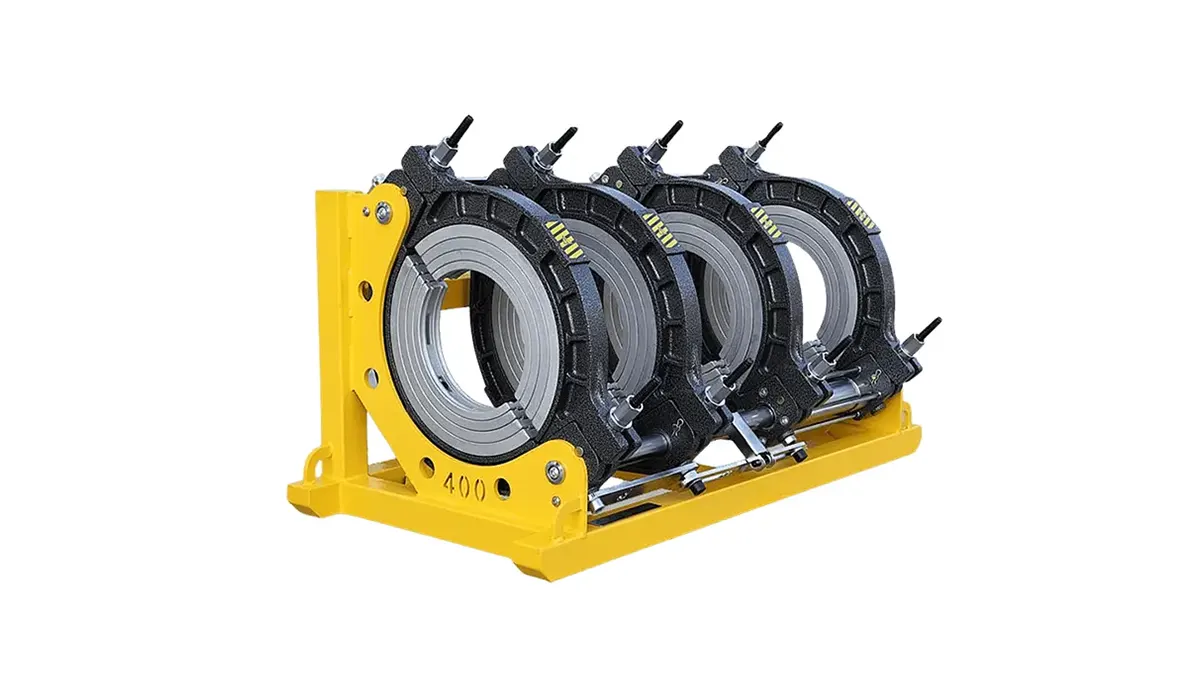
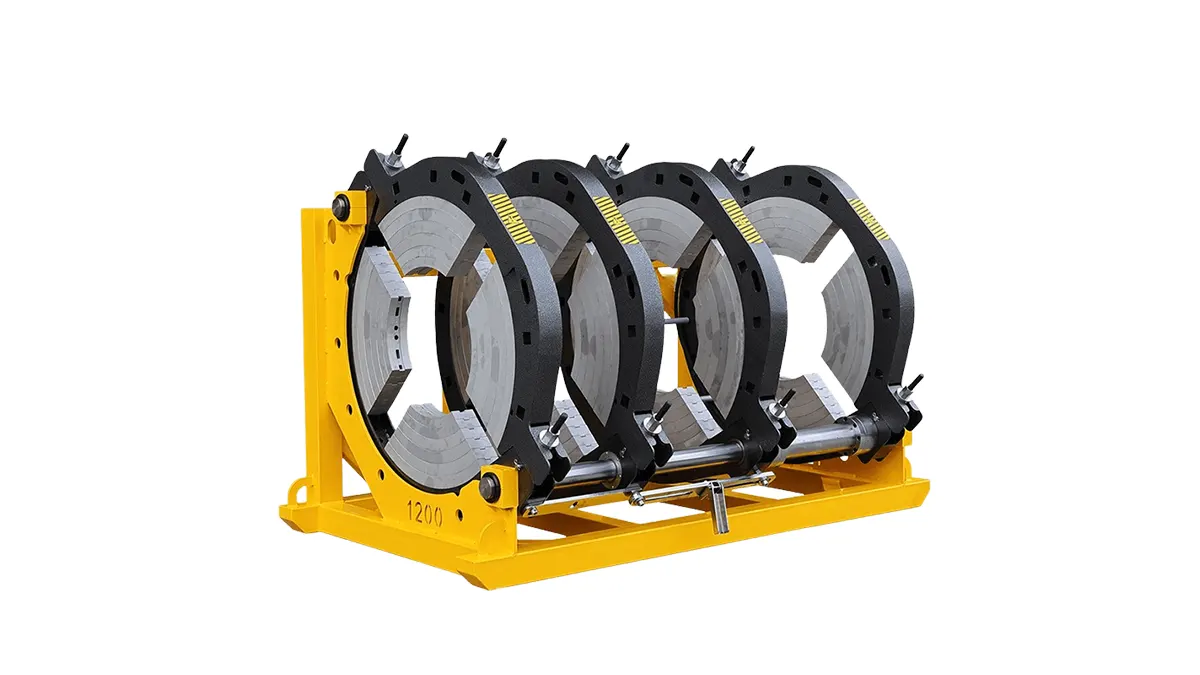
Alignment and clamp system: Hardened jaws or aluminum clamp frames improve pipe grip and reduce slippage during fusion.
Automation level: From manual hydraulic units to CNC or PLC-controlled systems, choose the automation level that matches project scale and operator skill.
Sample Model Comparison
| Model | Pipe Range (mm) | Pressure | Automation | Best for |
|---|---|---|---|---|
| JQH160 | 16–160 | Low–Medium | Manual/Hydraulic | Service connections, small-diameter networks |
| JQH400 | 160–400 | Medium | Semi-automatic | Urban water and gas mains |
| JQH1200 | 200–1200 | High | Hydraulic with PLC | Large-diameter trunklines, industrial projects |
Installation and Operation Best Practices
Site preparation: Ensure stable, level ground and clean pipe ends. Contamination or misalignment will compromise weld integrity.
Operator training: Proper training on heating times, pressure ramps and bead inspection reduces rework and rejects.
Environmental considerations: When welding outdoors, protect the heating plate and joint area from wind, dust and rain to maintain consistent fusion quality.
Maintenance & Safety
Routine checks: Inspect hydraulic hoses, seals, and electrical connectors before each shift. Replace worn heating elements and verify thermocouple accuracy.
Hydraulic fluid care: Maintain fluid at recommended levels and change per manufacturer interval to prevent contamination and pump wear.
Safety protocols: Use proper PPE, keep a safe distance during pressurization, and follow lock-out procedures during maintenance.
Choosing the Right Machine for Your Project
Match machine capacity to your pipeline diameters, daily weld throughput and site conditions. For large infrastructure projects and frequent long runs, prioritize machines with higher hydraulic capacity and PLC control. For repair crews and smaller installations, compact hydraulic models can offer the best balance of portability and performance.
For reliable butt fusion solutions and a wide selection of hydraulic HDPE pipe welding machines, contact JQ-Fusion at https://jq-fusionwelding.com/ to discuss models and custom configurations tailored to your pipeline needs.



