
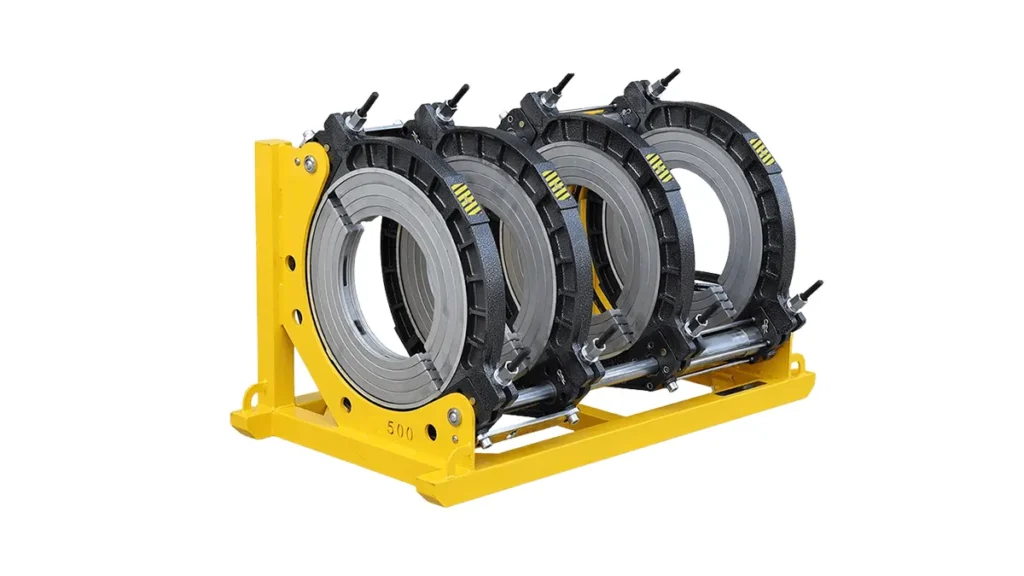
Choosing the best HDPE pipe welding equipment for global projects means balancing reliability, portability, compliance, and serviceability. This guide breaks down the top machine types, selection criteria for different regions, and practical recommendations so project managers, contractors, and installation teams can match the right welding solution to their field conditions and budgets.
Why the Right HDPE Welding Machine Matters
Consistent joint quality, safety compliance, and minimal downtime all depend on the welding equipment you use. Poorly matched machines raise rejection rates, increase repair work, and inflate lifecycle costs — issues that become more visible on large-scale urban water works or long rural gas distribution lines.
Core Equipment Types (and when to use them)
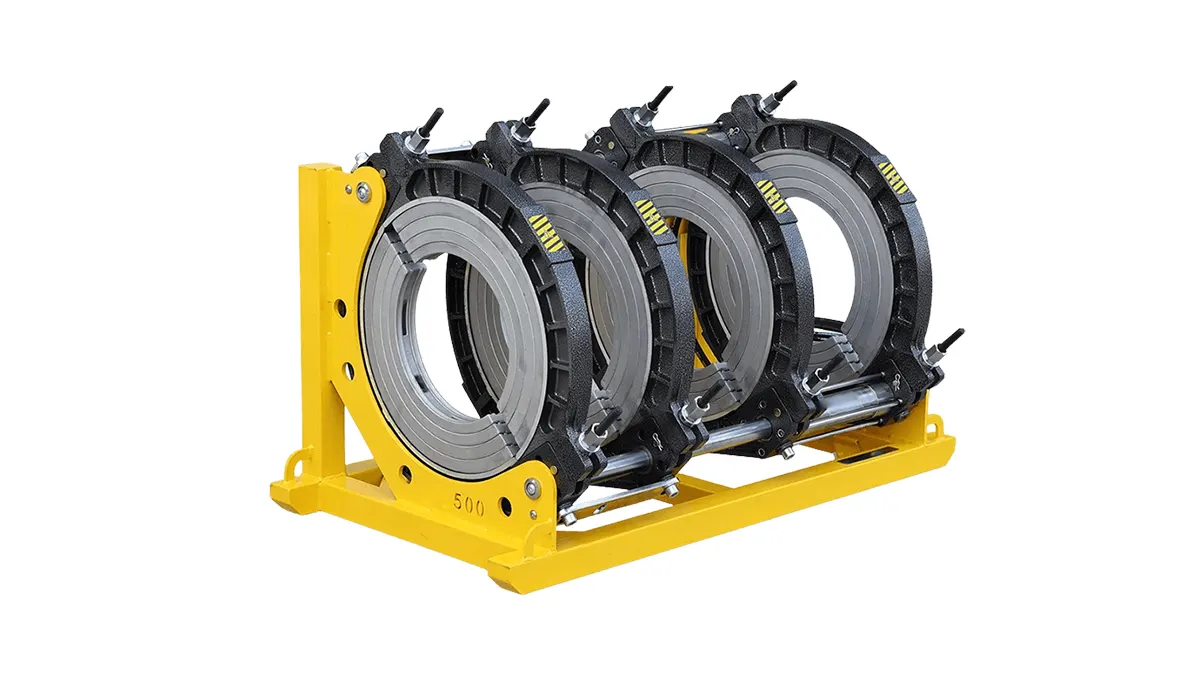
Manual Butt-Fusion machines: best for small-diameter pipes and low-volume sites. Affordable and simple, they suit rural installers and maintenance crews where skilled labor performs on-site fusion.
Hydraulic Butt-Fusion machines: built for larger diameters and higher repeatability. Ideal for municipal projects, pipeline contractors, and when working with stiff large-bore sections.
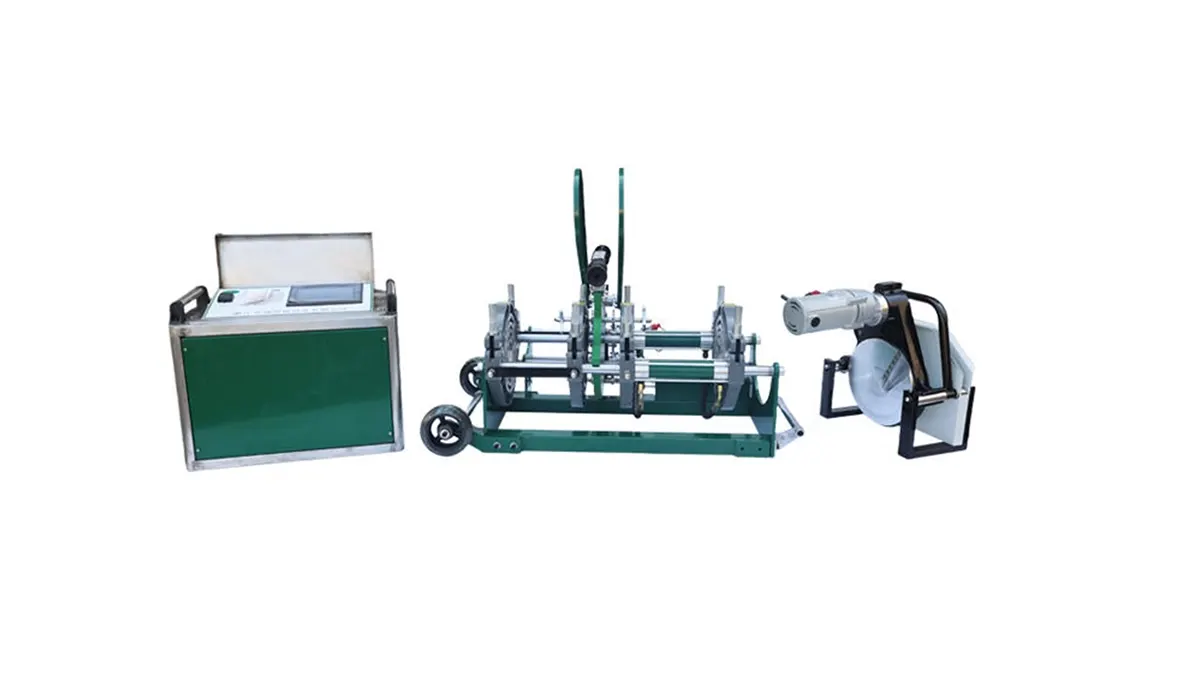
Automatic / CNC Butt-Fusion machines: deliver precise, programmable cycles and full data logging — required for regulated markets and infrastructure contracts where documentation and high throughput are essential.
Electrofusion units: used for fittings and repair work, particularly in tight spaces, urban distribution networks, and instances where field fusion of fittings is preferable.
Quick Comparison — At-a-Glance
| Machine Type | Best Use | Key Benefit |
|---|---|---|
| Manual Butt-Fusion | Small-diameter, remote repairs | Low cost, portable |
| Hydraulic Butt-Fusion | Medium to large pipelines | High clamping force, reliable joints |
| Automatic / CNC | Large projects, regulated contracts | Precise control, data logging |
| Electrofusion | Fittings, service connections | Convenient for tight spaces |
Selecting for Regional Conditions
Global deployment demands awareness of local climates, power availability, and workforce skills. Consider these regional scenarios:
- Cold climates (Northern Europe, Canada): machines with battery-assisted heaters, robust hydraulic fluids, and operators trained for low-temperature heating cycles.
- Hot, dusty environments (Middle East, North Africa): sealed electrical components, IP-rated controls, and cooling strategies to protect heaters and electronics.
- Remote, resource-limited areas (parts of Africa, SE Asia): prioritize manual or simple hydraulic units with easy spare parts and minimal power needs.
- Highly regulated markets (EU, USA): CNC/automatic machines with traceable weld logs, certification options, and vendor support for QA/QC audits.
Key Selection Criteria (Checklist)
Before purchase, verify these items:
- Pipe diameter range and maximum pressure class compatibility.
- Portability vs. bench-mounted capacity — choose based on field mobility needs.
- Power source: electric, battery, or hydraulic — match to site power availability.
- Certifications & data logging for projects requiring weld traceability.
- Spare parts & service network in the target deployment regions.
- Operator training and ease of maintenance to reduce human error.
Cost vs. ROI: Practical Advice
Upfront cost is only part of the picture. Machines with higher accuracy and fewer rework requirements often deliver lower lifecycle costs. For multinational projects, standardizing on a versatile family of machines (manual + hydraulic + automatic options) simplifies training and spare part inventories.
Recommended Approach for Global Fleets
Adopt a tiered fleet model: reliable manual units for remote service, hydraulic machines for routine pipeline installation, and CNC automatic units for major contracts requiring documentation. Ensure documented maintenance plans and regional spare hubs to maximize uptime.
Where to Start: Vendor & Support Considerations
Look for partners with a global supply chain, clear documentation, training programs, and accessible spare parts. One example manufacturer with a broad product line and international project experience is JQ-Fusion.
Final Tips
Run a pilot: test equipment under real site conditions, confirm weld quality, and assess operator feedback. Prioritize machines that provide both the technical fit and a dependable service path in your deployment regions — that combination defines the best HDPE welding solution for global use.



