
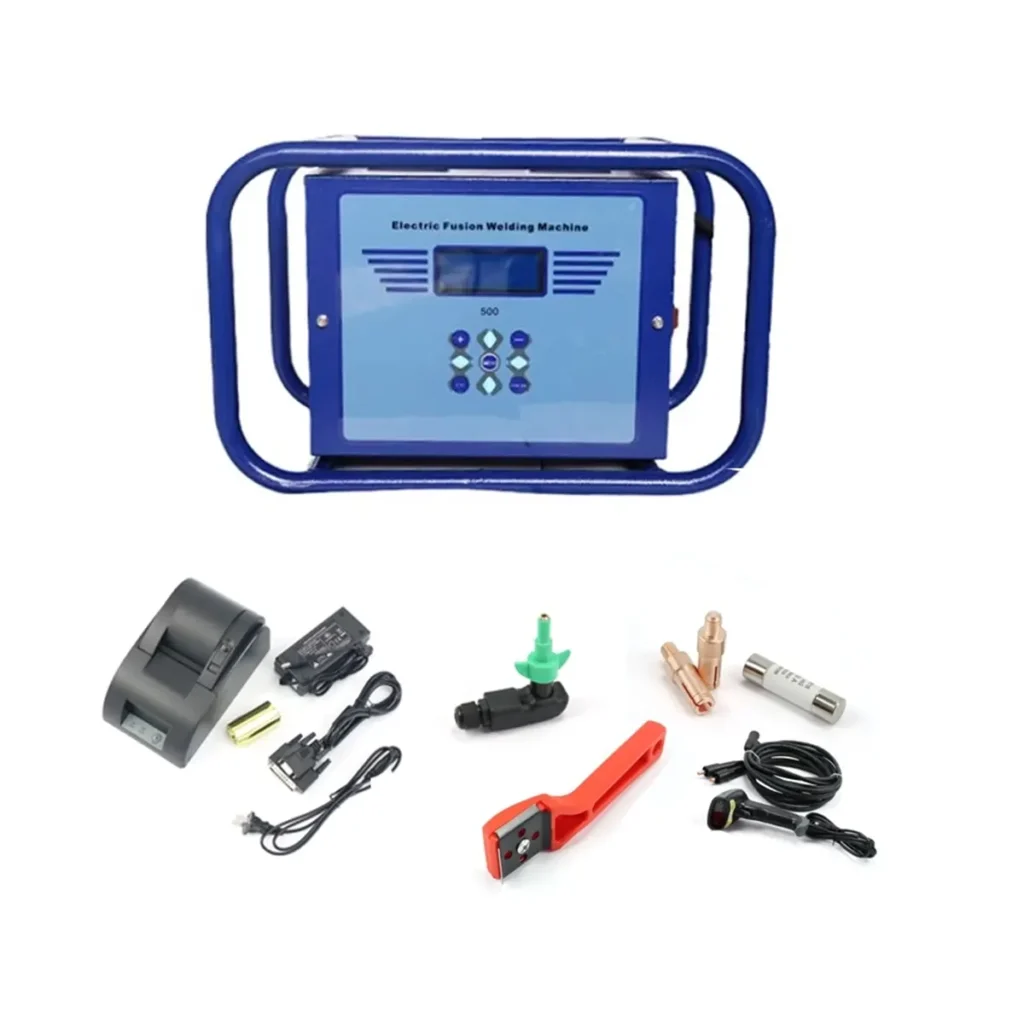
Electrofusion welding machines are an essential tool for joining HDPE pipes in Belarus, where municipal water networks, gas distribution, and agricultural irrigation projects demand reliable, weather-resilient connections. This guide helps Belarusian buyers and operators understand machine types, selection criteria, installation tips, logistics, and maintenance so you can choose the right equipment for local conditions.
Why Electrofusion Is a Smart Choice for Belarus
Belarus experiences cold winters, variable construction seasons, and a mix of urban and rural pipework projects. Electrofusion offers consistent, traceable joints with less dependence on ambient conditions compared to some other fusion methods, making it ideal for repair work in towns like Minsk and for remote pipeline projects in agricultural regions.
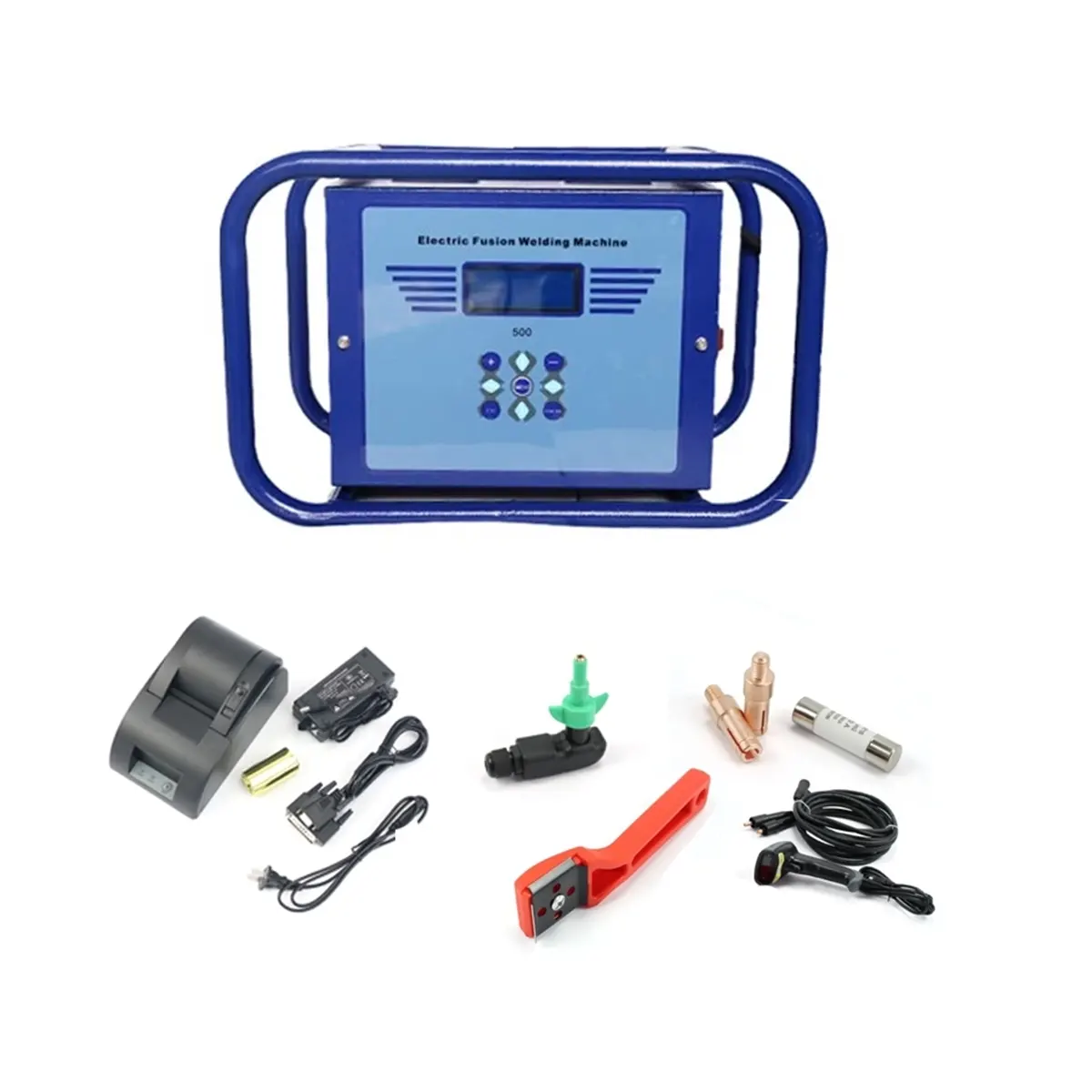
How Electrofusion Works — A Quick Overview
Electrofusion uses fittings with embedded heating elements. When the controller applies a calibrated electric current, the heating wire melts the fitting and the pipe surfaces, creating a homogeneous, pressure-tight joint as the assembly cools. The process is automated to control time, voltage and current for repeatable quality.
Key Benefits for Belarusian Contractors
• Reliable under low temperatures: suitable for winter repair work with proper preheating and equipment specification.
• Easy to use in the field: portable controllers and simple procedure reduce labor time on remote sites.
• Traceability: logged weld records help meet regulatory and quality requirements for municipal projects.
Selecting the Right Machine — What to Consider
Consider these local and technical factors when choosing an electrofusion welding machine for Belarus:
• Pipe diameters and fitting types you handle most often (service lines, distribution mains, irrigation).
• Portability vs. production throughput — small mobile units for emergency repairs, bench or trolley systems for workshop work.
• Controller features: automatic parameter lookup, data logging, barcode scanning and multilingual UI (Russian/Belarusian/English).
• Power source availability on-site — battery-assisted models are useful for remote locations without stable mains.
Popular Models & Typical Specs
| Model | Pipe Range | Controller | Best Use in Belarus |
|---|---|---|---|
| JQEA Electrofusion Controller | 20–630 mm | Automatic, barcode & data log | Field repairs; municipal service lines |
| JQEB Portable Electrofusion Unit | 20–250 mm | Battery-assisted, rugged | Rural sites; winter emergency repairs |
| Workshop Bench Controller | 20–1000 mm | High-precision, multi-fusion logging | Pre-fabrication and factory assembly |
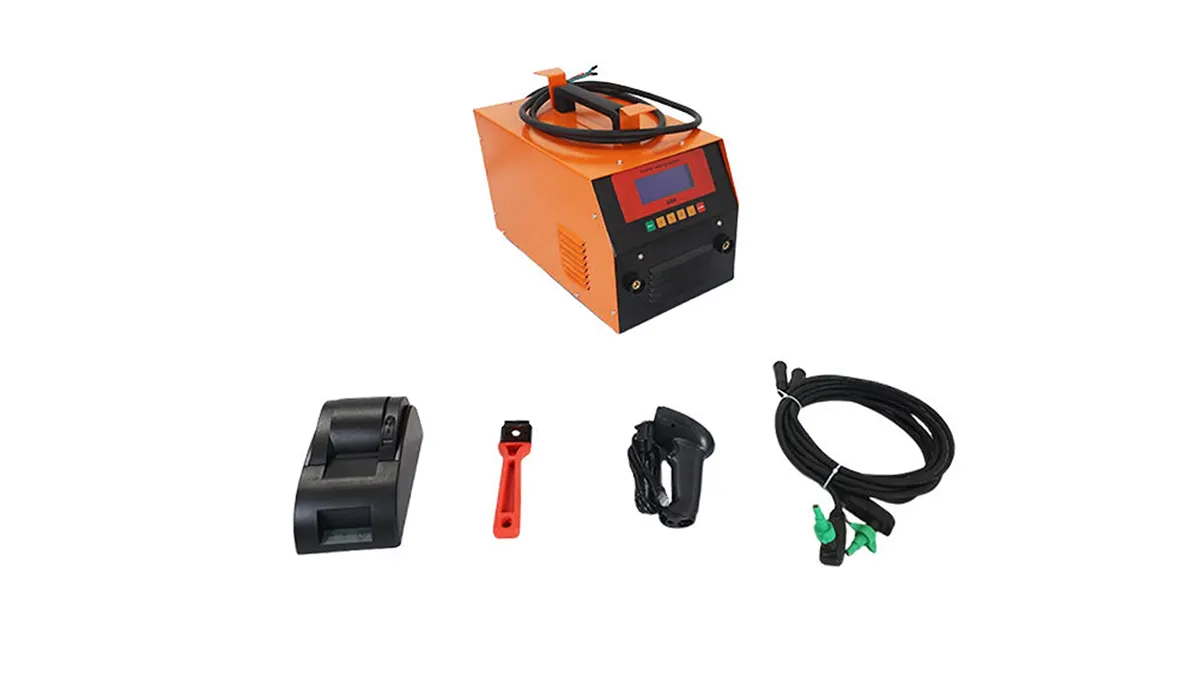
Installation & Site Tips for Belarus
• Pre-warm pipes in very cold weather to avoid brittle cracking during fusion.
• Clean and scrape the pipe thoroughly; moisture and frost reduce joint quality.
• Use the machine’s logging function to record weld parameters — helpful for municipal acceptance and warranty claims.
• Train crews on local-language operation and safety: clear instructions in Russian can speed adoption across Belarusian teams.
Regulatory & Standards Considerations
Choose equipment and fittings that meet recognized international standards for PE pipe systems and welding. For public projects in Belarus, project engineers typically expect conformity with established EN/ISO specifications for materials and jointing quality. Keep weld records available for inspections and lifecycle documentation.
Shipping, Customs & Local Support
Belarus is part of the Eurasian Economic Union (EAEU), which can influence customs and VAT handling. When importing machines, plan for:
• Accurate HS codes and documentation for electrofusion controllers and spare parts.
• Local partners or service contracts to reduce downtime and speed spare parts delivery.
Maintenance & Long-Term Care
• Store controllers and coils dry and away from freezing conditions.
• Calibrate and test units annually; retain calibration records to support warranty claims.
• Keep a basic spare parts kit on-site: power leads, fuses, and connector sets for quick repairs.
Single-Point Company Reference
JQ-Fusion is a professional manufacturer specializing in HDPE pipe welding machines, offering electrofusion controllers and comprehensive butt fusion solutions for infrastructure projects worldwide — learn more at JQ-Fusion.
Frequently Asked Questions (Belarus-focused)
Q: Can electrofusion work in Belarusian winter conditions?
A: Yes — with preheating, insulated work areas or temporary shelters, and by choosing battery-assisted portable units for remote repairs.
Q: What training does a crew need?
A: Basic electromechanical safety, pipe preparation, reading weld parameters, and test weld verification. Local-language manuals and on-site coaching accelerate competence.
Next Steps for Buyers in Belarus
Assess your project mix (diameters, volumes, environment), request controllers with logging and barcode support, and secure local service options. For tailored advice or specification sheets, request machine data and warranty terms before purchasing.



