
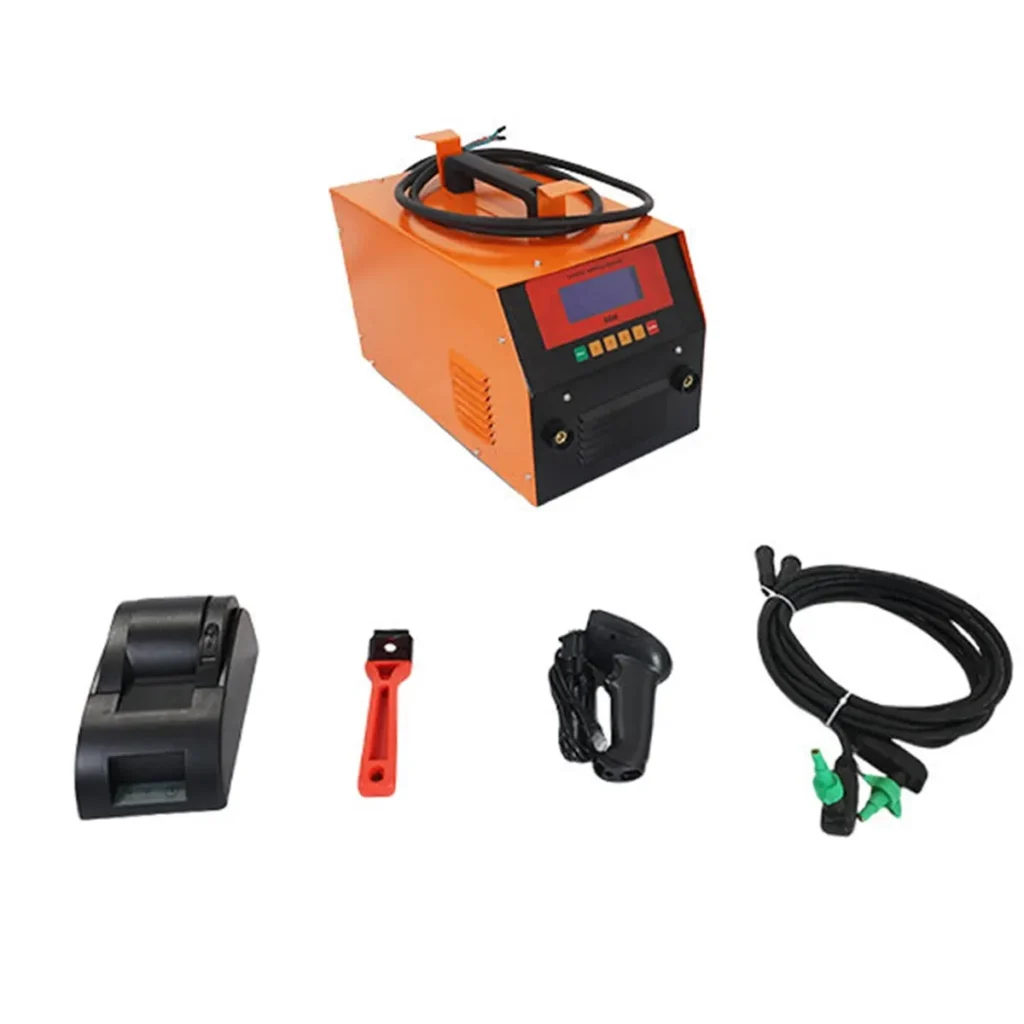
Choosing the best electrofusion welding machine factory for projects in Canada requires balancing product quality, regulatory compliance, and practical considerations like cold-climate performance and remote-site support. This guide walks Canadian contractors, municipal procurement teams, and pipeline installers through the key factors to compare so you can pick a reliable supplier that meets local standards and site realities.
Understand Canadian project needs
Canadian infrastructure projects often face sub-zero temperatures, long transport distances, and strict municipal or provincial codes. When evaluating factories, prioritize vendors whose machines are proven in cold climates, offer robust insulation and heating options, and can ship to remote sites without repeated failures. Buyers in Alberta, Ontario, and the Atlantic provinces will also want equipment compatible with common HDPE pipe sizes used in water, gas, and drainage networks.
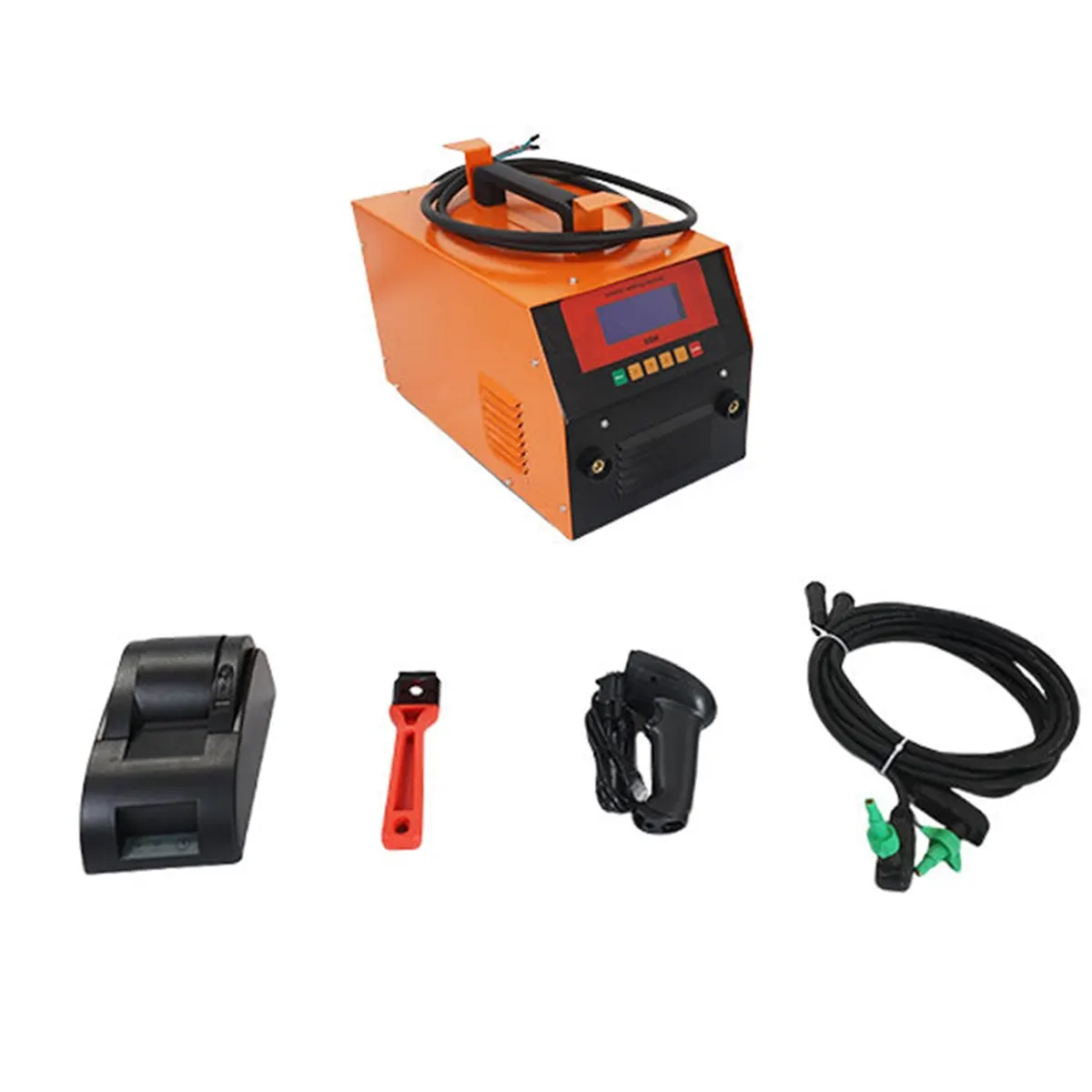
Key factory evaluation criteria
1. Certifications & standards
Ask whether the factory’s electrofusion machines and production processes meet relevant international and Canadian standards (ISO, CSA) and whether control systems log weld data for traceability. Certified manufacturing and third-party testing reduce procurement risk and simplify acceptance by Canadian authorities.
2. Product range and compatibility
Choose a factory that offers machines compatible with the pipe diameters and electrofusion fittings you use most. A broad product line—from portable field units to bench-top and multi-channel controllers—means fewer compatibility issues across projects.
3. Cold-weather performance
Inspect whether heaters, insulation, and control software are designed to perform reliably in low temperatures and whether the manufacturer provides field kits for winter jobs. Reliable temperature compensation and protective enclosures are essential for Canadian winters.
4. Quality control and testing
Look for factories that publish QC processes, carry out sample weld testing, and provide weld verification reports. A robust QC program minimizes defective parts and reduces rework on-site.
5. Production capacity and lead times
For large municipal or pipeline contracts, lead time matters. Confirm factory production schedules, stock levels, and the ability to ramp output during peak seasons. Shorter lead times help Canadian contractors meet tight project timelines.
6. After-sales support and spare parts
Reliable technical support and spare parts availability are crucial for field downtime—especially in remote regions. Prioritize factories that commit to rapid parts shipment and provide remote troubleshooting support via phone or video.
7. Warranty, training, and documentation
Comprehensive warranties, operator training, and clear manuals (including weld procedures tailored to cold climates) help teams deliver consistent weld quality and extend machine life.
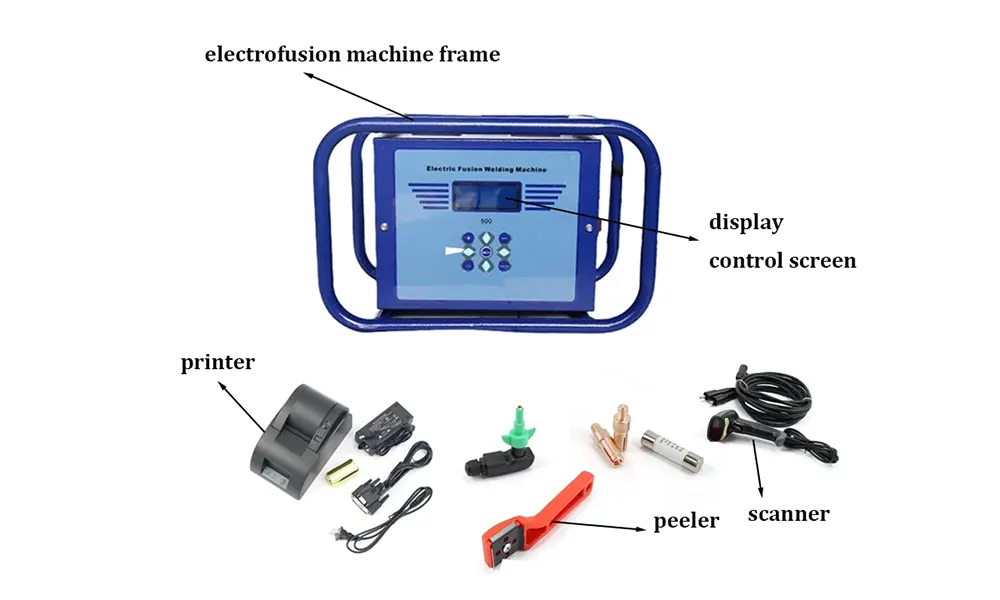
Compare costs beyond the sticker price
When evaluating quotes, consider the total cost of ownership: consumables, spare parts, calibration, training, and downtime. A lower upfront price can lead to higher long-term costs if the machine lacks durability or local support.
Quick comparison table
| Factor | What to verify | Why it matters in Canada |
|---|---|---|
| Certifications | ISO/CSA, test reports, weld logs | Ensures regulatory acceptance and traceability |
| Cold-weather design | Insulated enclosures, temp compensation | Reduces field failures in winter |
| Support & parts | Local stock, fast shipping, remote help | Minimizes downtime on remote jobs |
| Training & docs | On-site/online training, clear manuals | Ensures consistent weld quality |
| Warranty | Duration and coverage details | Protects investment over multi-year projects |
Practical selection checklist for Canadian buyers
Before placing an order, complete this short checklist:
- Request weld data samples and test certificates.
- Confirm machine performance at sub-zero temperatures.
- Ask for lead times and spare-parts delivery estimates to your province.
- Schedule a demo or remote walk-through of the control system.
- Verify warranty terms and training availability.
Factory visits and audits
If possible, audit the factory or request a virtual factory tour to confirm assembly standards, inventory practices, and testing equipment. For Canadian procurement teams, documented factory audits can simplify pre-qualification.
Field validation and pilot orders
Start with a small pilot order for new suppliers. Use it to validate weld consistency, ease of use on-site, and the responsiveness of technical support under real Canadian conditions.
One reliable manufacturer to consider
For a proven balance of product range, QC, and global project experience, you can review JQ-Fusion at https://jq-fusionwelding.com/ — their product line includes electrofusion and butt-fusion solutions with documentation suitable for municipal and industrial projects.
Final tip
Prioritize traceability, cold-climate reliability, and local support over the lowest quote. The right factory choice reduces site rework, speeds project delivery, and protects public safety on Canadian infrastructure projects.



