
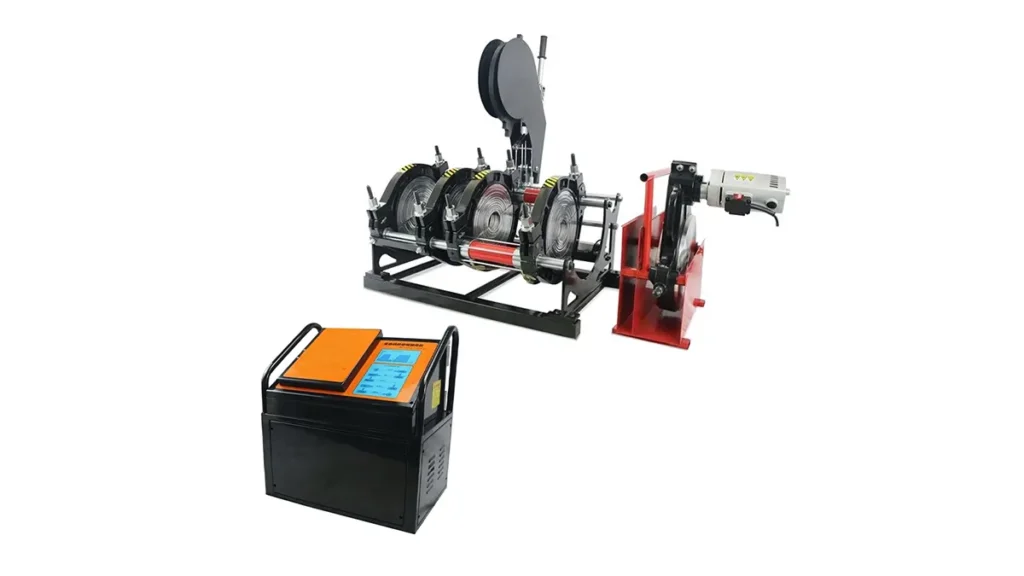
Choosing the right gas pipe welder is one of the most important decisions for pipeline contractors, utility teams, and engineers. This guide breaks down typical price ranges, features to prioritize, and practical tips to find the best welding machine for gas pipeline projects — whether you’re working on distribution networks, service lines, or large transmission mains.
Understand the main machine types
Manual Butt Fusion — Simple, rugged, and low-cost. Ideal for small crews and sporadic repairs on smaller-diameter PE gas pipe.
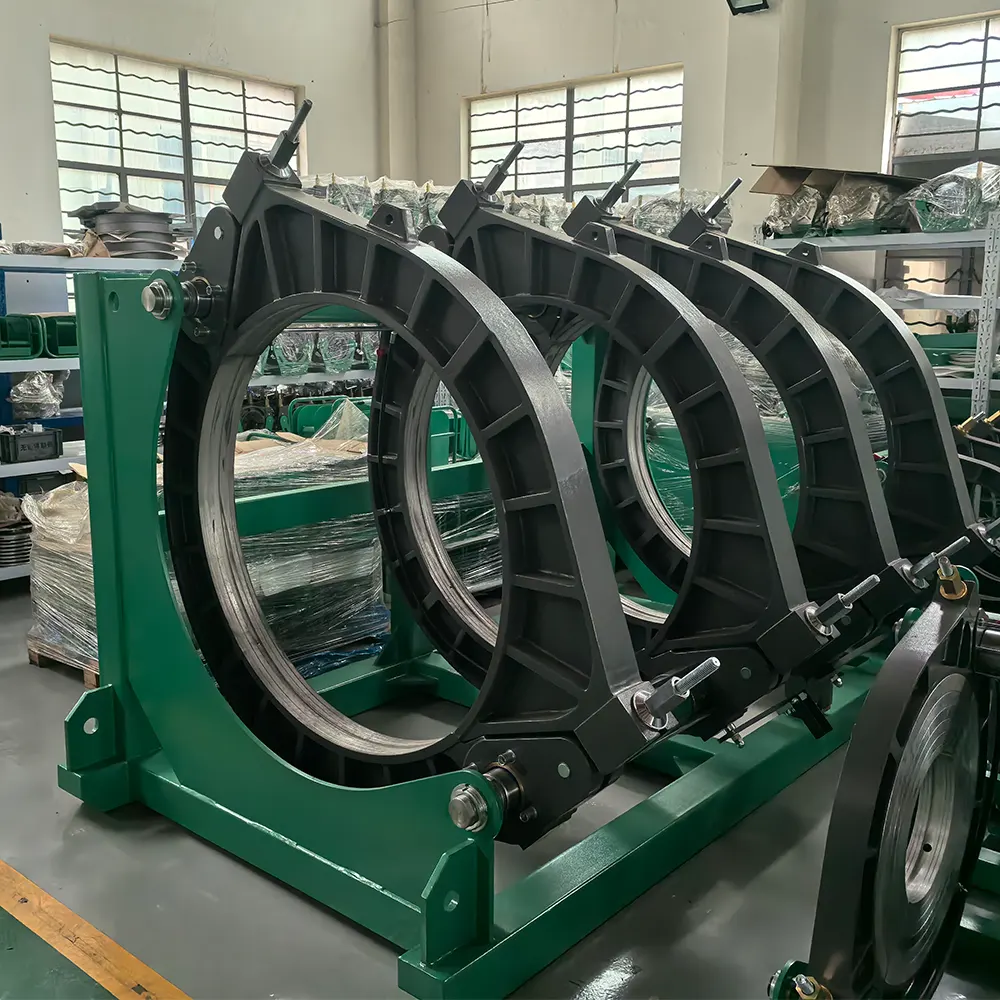
Hydraulic Butt Fusion — Provides higher clamping force and smoother control, suitable for medium to large diameter pipelines and frequent on-site welding.
Automatic/CNC Butt Fusion — Automated cycles, high repeatability, and data logging for quality control on large projects and long runs.
Electrofusion — Used for fittings and service connections; compact and widely used by gas utilities for fast, reliable joints.
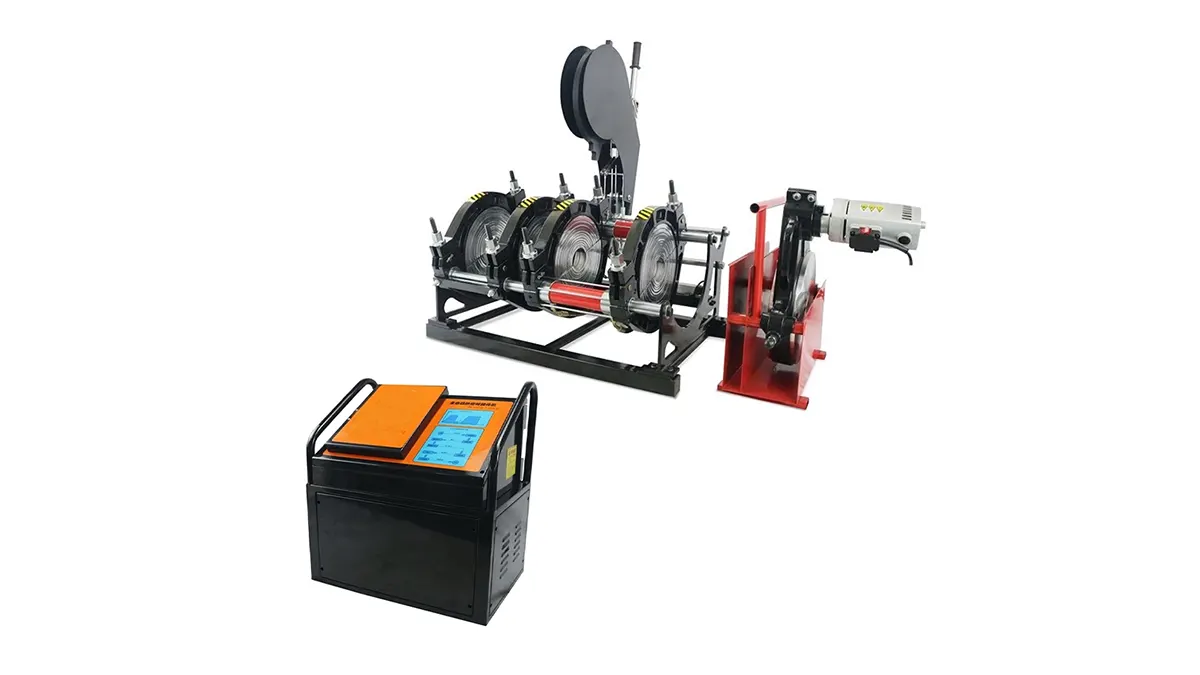
Typical price ranges (ballpark)
Prices vary by capacity, automation level, brand, and region. Below are approximate ranges to set realistic budgets.
| Machine Type | Typical Range (USD) | Best For |
|---|---|---|
| Manual Butt Fusion (small frame) | $800 – $4,000 | Repair crews, small-diameter PE (20–315mm) |
| Hydraulic Butt Fusion | $4,000 – $25,000 | Routine site welding, medium-large diameters (160–1000mm) |
| Automatic/CNC Butt Fusion | $20,000 – $120,000+ | High-volume projects, large diameter, traceable QC |
| Electrofusion Units | $1,000 – $6,000 | Service connections and fittings (quick, portable) |
Cost drivers to consider
Pipe diameter & wall thickness: Larger diameters need heavier frames, stronger hydraulic power, and sometimes custom clamps — costs increase quickly beyond 500mm.
Automation & controls: PLC/CNC units with logging, touchscreen, and remote diagnostics add significant value and price but pay off on long-term projects with quality documentation needs.
Accessories & tooling: Facing tools, heating plates, clamps, power packs, generators, and transport frames add to the initial investment.
Certifications & warranties: Machines compliant with industry standards (ISO, ASTM, EN, AS/NZS) and backed by a reliable warranty may cost more up front but reduce risk and downtime.
How to choose the best machine for your gas pipeline project
1. Match machine capacity to your pipe sizes: If your network uses mostly 20–160mm, manual or small hydraulic frames are cost-effective. For regular welding of 250–1000mm, prioritize hydraulic or automatic systems.
2. Estimate project volume: High daily joint counts justify automatic machines for faster cycles and consistent quality. For occasional repairs, portability and low maintenance matter more.
3. Quality control & traceability: For gas projects where safety and traceability are essential, choose welders with data-logging and clear process control features.
4. Field conditions: Consider weight, power source (electric vs hydraulic), and weatherproofing. Urban distribution work may need compact, portable electrofusion units; remote transmission projects favor durable hydraulic systems.
5. Service & spare parts: Fast access to spare parts and local technical support reduces downtime. Confirm lead times for heaters, plates, and hydraulic seals before purchase.
Budget tips & total cost of ownership
Beyond the purchase price, plan for:
-
Training and certification for operators
-
Spare heating plates, cutting/facing tools, and seals
-
Scheduled preventive maintenance and calibration
-
Shipping, customs, and site mobilization costs
Tip: A higher initial cost for an automated welder can be offset by lower labor per joint, fewer reworks, and faster project completion — calculate the break-even based on joints/day and labor rates.
Warranty, training and after-sales
Verify warranty coverage for key components and ask about available training packages. On-gas projects, operator competence is as critical as machine reliability. Machines that include digital process records and accessible diagnostics will speed troubleshooting and compliance checks.
Where to buy and what to ask vendors
When requesting quotes, provide: pipe materials and SDRs, diameter ranges, expected daily joint counts, site power availability, and required certificates. Ask vendors for case studies or references on gas pipeline projects similar to yours.
Quick checklist before purchasing
-
Does the machine cover your full diameter range?
-
Are data-logging and QC features included or optional?
-
What is the lead time for spare parts and consumables?
-
Is operator training available and included in the quote?
-
Are on-site commissioning and calibration provided?
Manufacturer note
Manufacturer: JQ-Fusion — a producer of manual, hydraulic, and CNC automatic butt fusion welding machines for HDPE pipe applications, offering options across small to large diameters for gas, water, and industrial pipelines.
Final decision in one line
Balance capacity, automation and lifecycle costs: pick the lowest-cost machine that consistently meets your diameter range, weld quality, and operational volume — and prioritize vendors that support training and fast spare parts access.



