
Butt fusion is the industry-standard heat fusion method for joining PE/HDPE pipes. This guide explains how PE pipe butt fusion machines work, how to choose the right model (manual, hydraulic, or automatic), step-by-step welding procedures, common troubleshooting tips, and maintenance best practices to keep your pipeline projects running smoothly.
What Is Butt Fusion Welding?
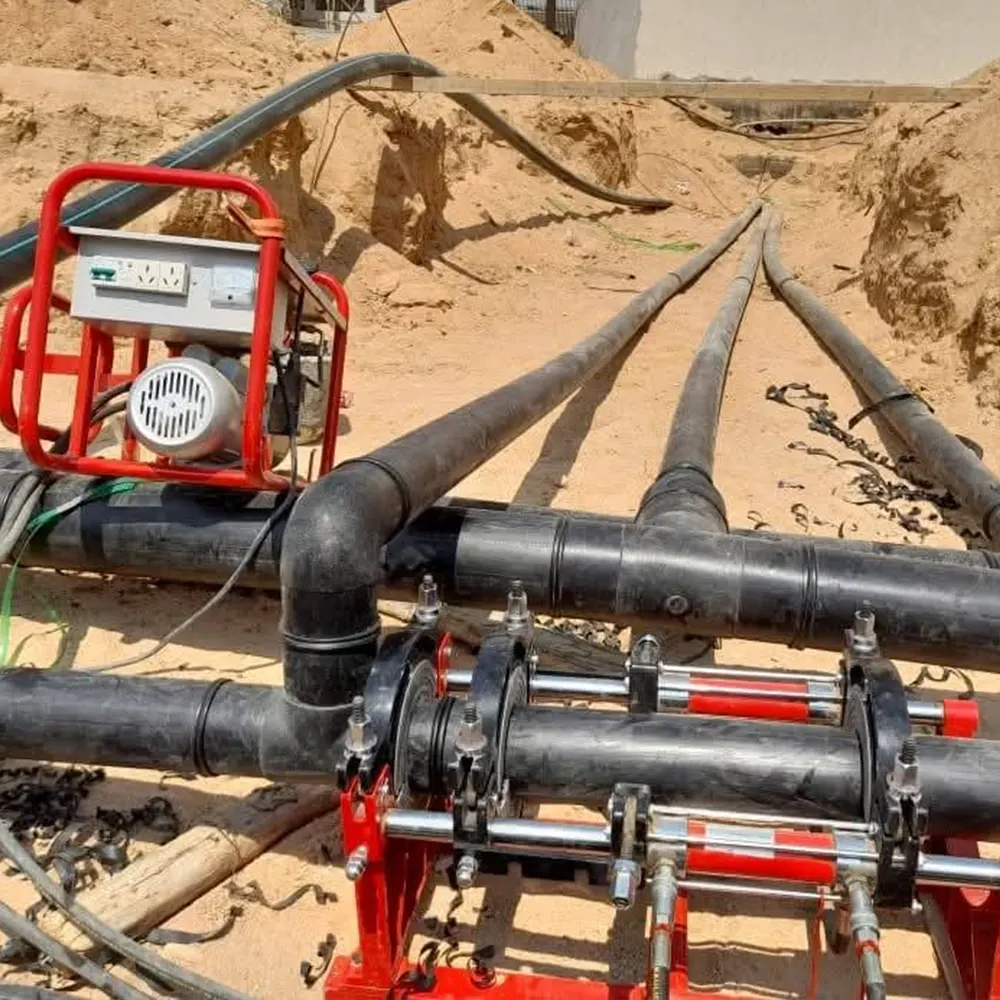
Butt fusion is a thermoplastic welding technique that heats the ends of two PE/HDPE pipes and joins them under pressure to create a homogeneous, leak-free joint. The resulting molecular bond is as strong as — or stronger than — the base material, making it ideal for water supply, gas distribution, mining, and industrial pipelines.
Key Advantages
Reliable leak-free joints, long service life, suitability for buried and above-ground lines, resistance to corrosion and chemicals, and efficient on-site installation for a wide range of diameters.
Types of Butt Fusion Machines
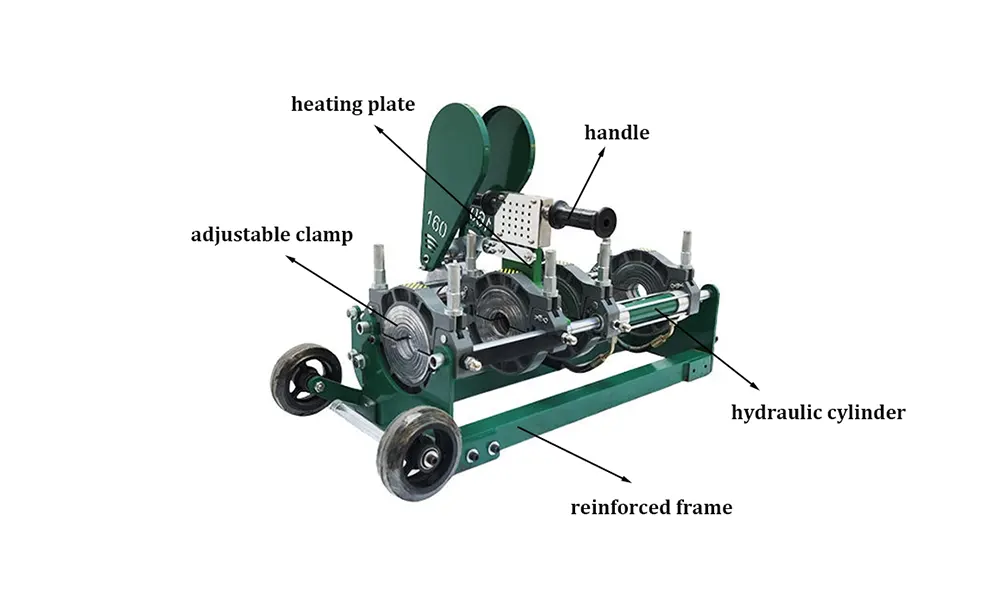
Manual Butt Fusion Machines
Compact, cost-effective, and suited for small-diameter pipes and remote job sites. Operators manually clamp, align, and apply pressure during fusion.
Hydraulic Butt Fusion Machines
Offer automated clamping and controlled pressure using a hydraulic station — ideal for medium to large diameters and higher productivity demands.
Automatic / CNC Butt Fusion Machines
Provide programmable cycles, precise control of heating and pressure, data logging, and repeatable weld quality. Best for large-scale projects and quality-critical pipelines.
How to Choose
Consider pipe diameter range, field conditions, production speed, required documentation (traceability), and operator skill level. For contractors performing frequent large-diameter welds, automatic or hydraulic models typically offer the best ROI.
Step-by-Step Butt Fusion Process
1. Preparation
Inspect pipe ends, clean dirt and moisture, and check for visible defects. Verify that the equipment, heater plate, and facing tool are clean and at the correct temperature.
2. Alignment and Clamping
Secure both pipe ends in the clamps. Accurate alignment is crucial — misalignment can cause weak joints and flow restrictions.
3. Facing (Trimming)
Use a facing tool to remove oxides and create flat, square pipe ends. Proper facing ensures uniform heat distribution during fusion.
4. Heating
Introduce the heater plate between the pipe ends. Heat until the correct melt bead forms according to the pipe SDR, material, and heater temperature tables.
5. Fusion under Pressure
Remove the heater and press the molten pipe ends together with specified force and for the required time. Hold steady during the cooling phase to ensure molecular entanglement.
6. Cooling and Inspection
Allow the joint to cool under controlled conditions before removing clamps. Inspect the bead and record weld parameters if required.
Common Fusion Parameters (Example)
| Parameter | Typical Value |
|---|---|
| Heater Plate Temperature | 200 ± 10°C |
| Facing Speed | As per facing tool manufacturer |
| Heating Time | Depends on pipe diameter & SDR |
| Fusion Pressure | Specified by procedure & machine |
| Cooling Time | Minimum hold time per standard |
Troubleshooting & Quality Control
Cold or weak welds: Check heater temperature, facing quality, and fusion pressure. Incomplete melt or insufficient pressure causes weak joints.
Excessive flash or blisters: Often due to overheating, contamination, or prolonged heating times. Re-face and re-weld following correct parameters.
Misalignment: Prevent by re-clamping and using alignment guides; reject and re-weld if the pipe wall eccentricity is unacceptable.
Maintenance & Safety Tips
-
Keep heater plates, facing cutters, and clamping surfaces clean and undamaged. Replace worn parts promptly.
-
Perform hydraulic fluid checks and routine inspections of seals and hoses on hydraulic stations.
-
Ensure operators wear PPE and follow safe hot-surface handling procedures. Use certified welding procedures where required.
Applications Where Butt Fusion Excels
Municipal water mains, gas distribution networks, industrial process piping, irrigation systems, and mining slurry pipelines. Butt fusion is especially preferred where long-term reliability and corrosion resistance matter most.
Selecting a Supplier
Look for manufacturers with proven quality control, global service network, and a range of models that match your pipe diameters and production needs. For example, JQ-Fusion provides manual, hydraulic, and CNC automatic butt fusion machines covering small to large diameters and tailored solutions for infrastructure projects.
Final Recommendations
Train operators in standardized welding procedures, maintain fusion equipment, record weld data for traceability, and select the machine type based on diameter range, site conditions, and production demands. Proper equipment and discipline in the fusion process ensure durable, leak-free HDPE pipeline systems.



