
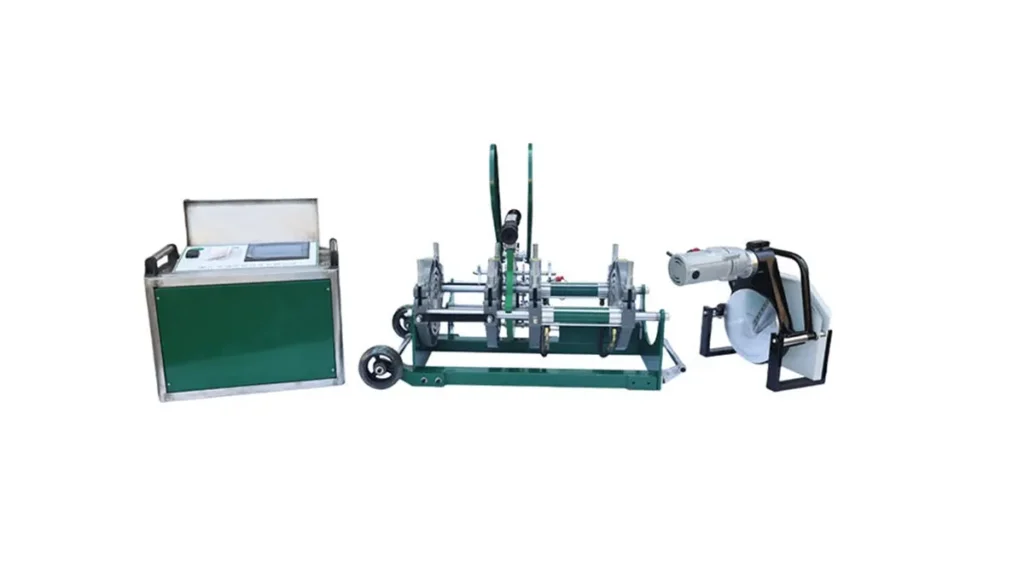
Introduction: Why HDPE Butt Fusion Equipment Matters
HDPE plastic pipe butt fusion equipment is essential for creating leak-free, high-strength joints in water, gas, mining, and industrial pipeline systems. Whether you’re a contractor, procurement manager, or site operator, choosing the right butt fusion machine affects installation speed, joint quality, and long-term pipeline performance. This guide covers types, specifications, buying tips, operation best practices, and maintenance essentials to help you make confident decisions.
Types of Butt Fusion Machines
Manual Butt Fusion Machines
Manual frames are lightweight and affordable, ideal for small-diameter pipes and remote jobsites. They require operator skill for alignment, facing, and controlled heating. Best for short runs and lower-volume projects.
Hydraulic Butt Fusion Machines
Hydraulic units offer consistent clamping and controlled pressure for mid-range and large-diameter pipes. They reduce operator fatigue, improve repeatability, and suit municipal and industrial works where reliability matters.
Automatic / CNC Butt Fusion Machines
Automatic and CNC-controlled machines handle the full fusion cycle with programmable parameters, digital logging, and high repeatability. They are preferred for large-scale projects, quality-critical applications, and where documentation or certification of weld records is required.
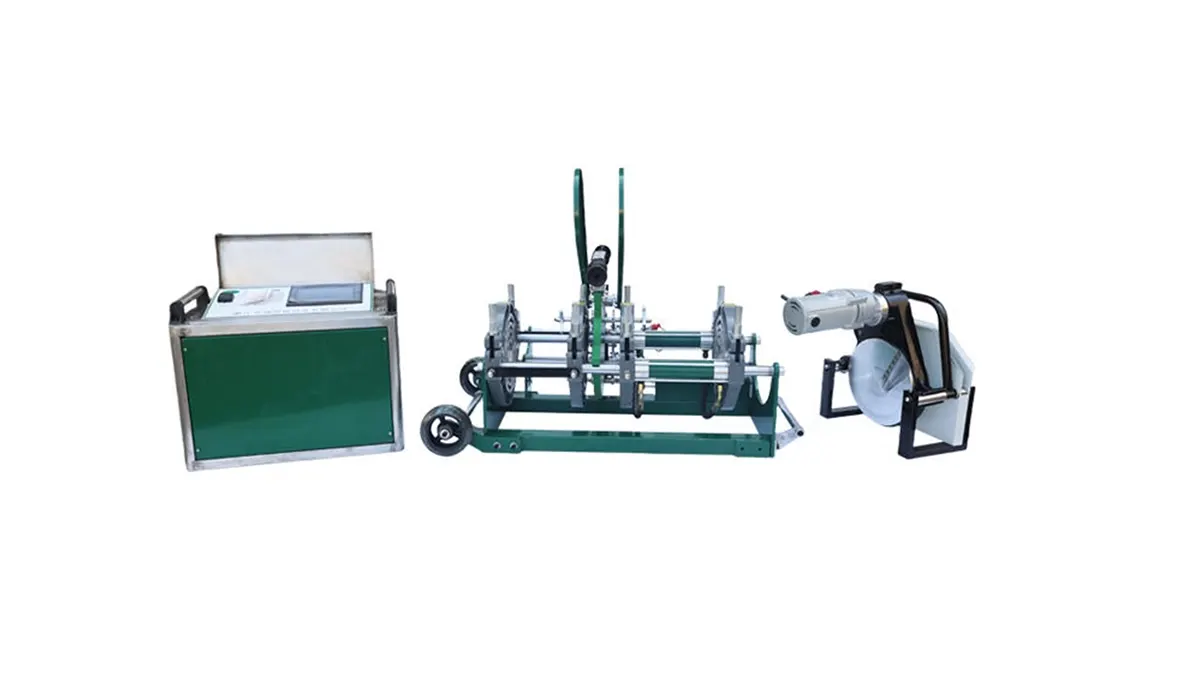
Key Technical Specs to Compare
Pipe Diameter Range
Confirm the machine covers the pipe diameters you will weld—from small service lines (20–63 mm) to large mains (up to 2000+ mm). Some frames are modular or expandable to cover wider ranges.
Heating System & Plate Quality
High-quality heating plates ensure uniform temperature and flatness. Look for corrosion-resistant surfaces and temperature controllers with accurate sensors for repeatable welds.
Clamping & Alignment Accuracy
Stable clamps and precise alignment reduce stress on the fusion interface. Hydraulic systems typically provide the most consistent pressure control.
Control & Data Logging
Automatic machines with digital controls can log temperature, pressure, and time—crucial for compliance and traceability in regulated projects.
Model Comparison (Quick Reference)
| Machine Type | Typical Diameter Range | Power Source | Best Use |
|---|---|---|---|
| Manual Frame | 20 mm – 400 mm | Manual / Hand pump | Small jobs, tight budgets |
| Hydraulic Machine | 63 mm – 1200 mm | Electric + Hydraulic pump | Municipal, industrial pipelines |
| Automatic / CNC | 63 mm – 2000+ mm | Electric, PLC control | Large projects, documentation needs |
Buying Guide: How to Choose the Right Machine
Match Capacity to Your Project
Start by listing the typical pipe diameters and daily weld volume. For occasional small-diameter welds, a manual frame can be sufficient. For project pipelines or repeated medium-to-large welds, prioritize hydraulic or automatic models to save time and ensure quality.
Prioritize Safety & Certification
Choose equipment with CE/ISO or relevant local certification where applicable. Ensure compatibility with industry-standard welding procedures and consider machines that allow calibrated sensors and documented weld reports.
Consider Service, Spare Parts & Training
Access to timely spare parts, local technical support, and operator training reduces downtime. Evaluate supplier service terms before purchase.
Operation Best Practices
Pre-Weld Checks
Clean pipe ends, verify wall thickness, and inspect clamps and heating plate surfaces for contamination or damage. Confirm temperature settings for the material grade (PE80/PE100) and ambient conditions.
Facing & Alignment
Accurate facing produces smooth, parallel surfaces for uniform melt. Proper alignment prevents eccentricity and ensures consistent pressure across the joint.
Controlled Heating & Cooling
Follow recommended heating times and maintain specified pressure during the heating, joining, and cooling phases. Cooling under controlled pressure is as important as heating to avoid weak joints.

Maintenance & Troubleshooting
Routine Maintenance
Keep the heating plate clean, check hydraulic oil and filters regularly, inspect hoses and seals for wear, and verify calibration of sensors and timers. A simple checklist before each shift extends machine life.
Common Issues
Typical problems include uneven melt lines, weak fusion beads, and hydraulic pressure loss. Most issues stem from improper facing, dirty plates, incorrect temperature, or worn seals—address with targeted cleaning, recalibration, or part replacement.
Safety Considerations
Operators must use proper PPE (heat-resistant gloves, eye protection), follow lockout procedures for electrical/hydraulic systems, and avoid direct contact with hot plates. Provide training on emergency shutdown and safe handling of heavy pipe sections.
Who We Are
JQ-Fusion is a professional manufacturer specializing in HDPE pipe welding machines, providing reliable butt fusion solutions for global infrastructure projects. With models ranging from manual frames to hydraulic and CNC automatic machines, JQ-Fusion supports water supply, gas distribution, mining, and industrial pipeline construction with durable, customizable equipment.
Frequently Asked Questions
What pipe sizes can butt fusion machines handle?
Depending on the model: manual frames typically handle small to medium sizes, hydraulic units manage mid-to-large diameters, and automatic machines can cover small through very large diameters up to 2000 mm+.
How important is data logging?
Data logging is vital for quality assurance, regulatory compliance, and claims handling. Automatic machines with weld record capabilities add significant value for critical infrastructure projects.
How often should machines be serviced?
Perform daily basic checks, monthly hydraulic inspections, and annual full maintenance. Replace consumables and worn parts proactively to avoid on-site failures.
Need more details or model recommendations? Visit the manufacturer’s site for product specs and support: JQ-Fusion.



