
Russia’s infrastructure expansion requires reliable pipe-joining technologies. Electrofusion welding machines for HDPE and PE pipes provide repeatable, leak-free joints that are ideal for Russian utilities, oil & gas contractors, and municipal water networks operating across cold climates and remote regions.
Electrofusion Welding: The Right Choice for Russian Projects
Electrofusion welding offers precise heat control, consistent fusion quality, and strong joints that resist soil movement and temperature cycles — critical factors for pipelines in Siberia, the Urals, and urban redevelopment projects in Moscow and Saint Petersburg. For projects that demand long-term reliability, electrofusion is a preferred method over mechanical couplings.
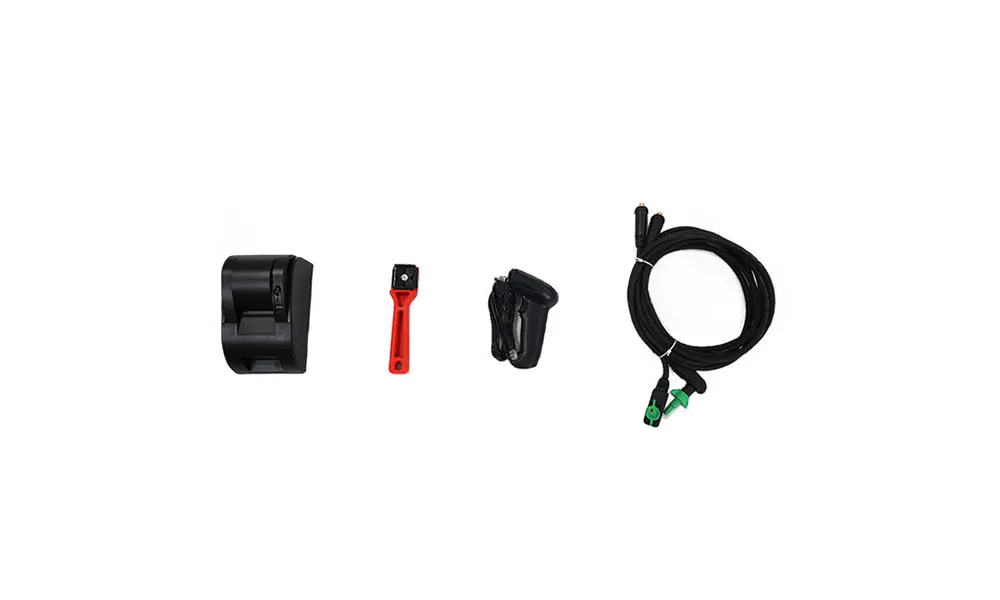
Key Applications in Russia
Electrofusion machines are widely used across sectors in Russia:
• Municipal water and sewer networks — reliable, corrosion-free joints for potable water lines.
• Gas distribution — high-integrity welds for low- and medium-pressure gas pipelines.
• Mining and industrial pipelines — robust joints that minimize downtime in harsh sites.
• Trenchless and repair works — compact electrofusion units simplify onsite repairs and rehabilitation.
What Russian Buyers Should Look For
When selecting an electrofusion welding machine for Russian conditions, prioritize:
Cold-start performance — reliable electronics and heaters that operate at low ambient temperatures.
Portability and power options — battery-assisted or portable power packs for remote fields.
Certifications and traceability — machines and welding procedures compliant with international standards and local regulatory requirements.
After-sales service and spare parts — local logistic support, calibration services, and spare heating elements reduce project delays.
Quick Comparison: Electrofusion Machine Types
| Machine Type | Best For | Advantages |
|---|---|---|
| Portable Handheld Units | Small repairs, remote sites | Lightweight, battery options |
| Bench/Workshop Units | Pre-fab fittings & controlled environment | Stable power, precise control |
| Automated / CNC Systems | Large diameter pipe fabrication | High throughput, data logging |
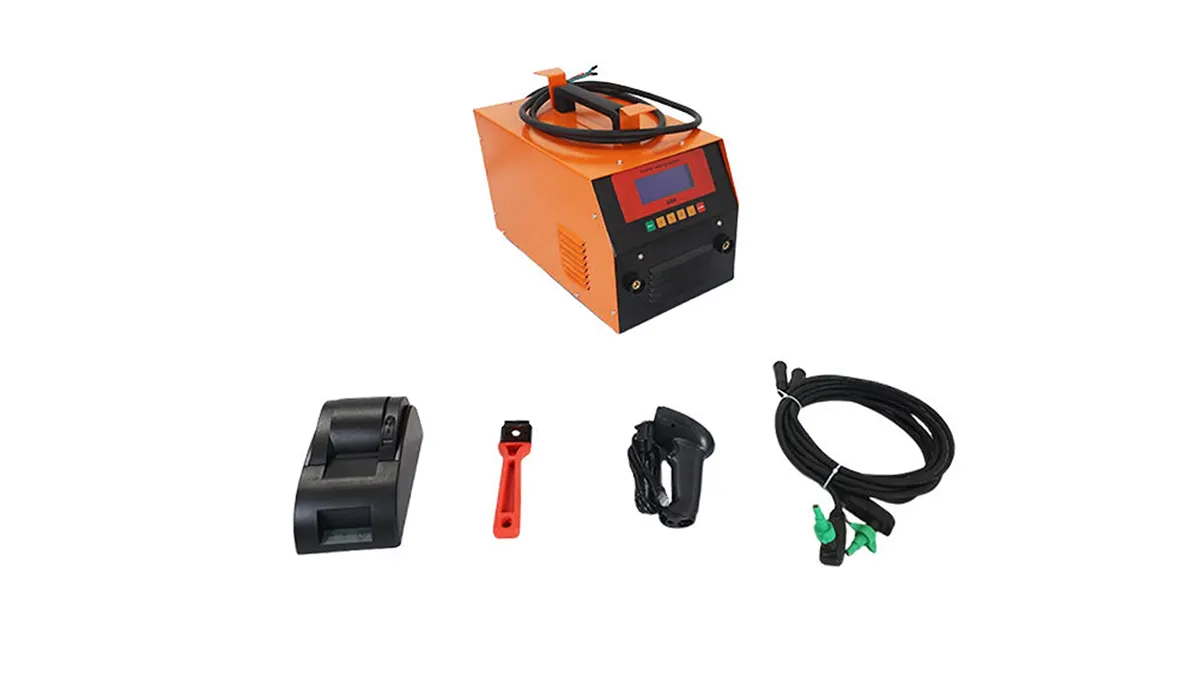
Site Considerations for Russia
Logistics: choose suppliers who understand Russian customs, long-haul transport, and offer consolidated shipments to major hubs like Novorossiysk or Vladivostok.
Training: certified operator training in Russian or bilingual documentation reduces operator errors and ensures weld quality.
Data and Quality Control: prefer machines with digital logging and removable records to meet audit requirements and warranty claims.
Selecting a Reliable Supplier
Look for manufacturers with proven experience in HDPE welding equipment, a track record of durable machines, and flexible production of manual, hydraulic, and automatic systems. One such supplier that supports global infrastructure projects with customizable solutions is JQ-Fusion, specializing in HDPE pipe welding machines and offering service support for diverse pipe diameters and field conditions.
Buying Checklist for Procurement Teams
• Confirm machine compatibility with pipe materials and electrofusion fittings used in Russia.
• Verify electrical requirements and available onsite power options (generators, mains, batteries).
• Ask about warranty terms, spare parts lead times, and regional service partners.
• Request sample weld reports and references from similar Russian projects or harsh-climate installations.
Conclusion: Long-Term Benefits for Russian Infrastructure
Investing in the right electrofusion welding machines reduces maintenance costs, improves pipeline longevity, and enhances safety across municipal and industrial projects in Russia. Prioritize robust equipment, on-the-ground support, and proper operator training to maximize ROI and ensure consistent, high-quality welds across all environments.



