
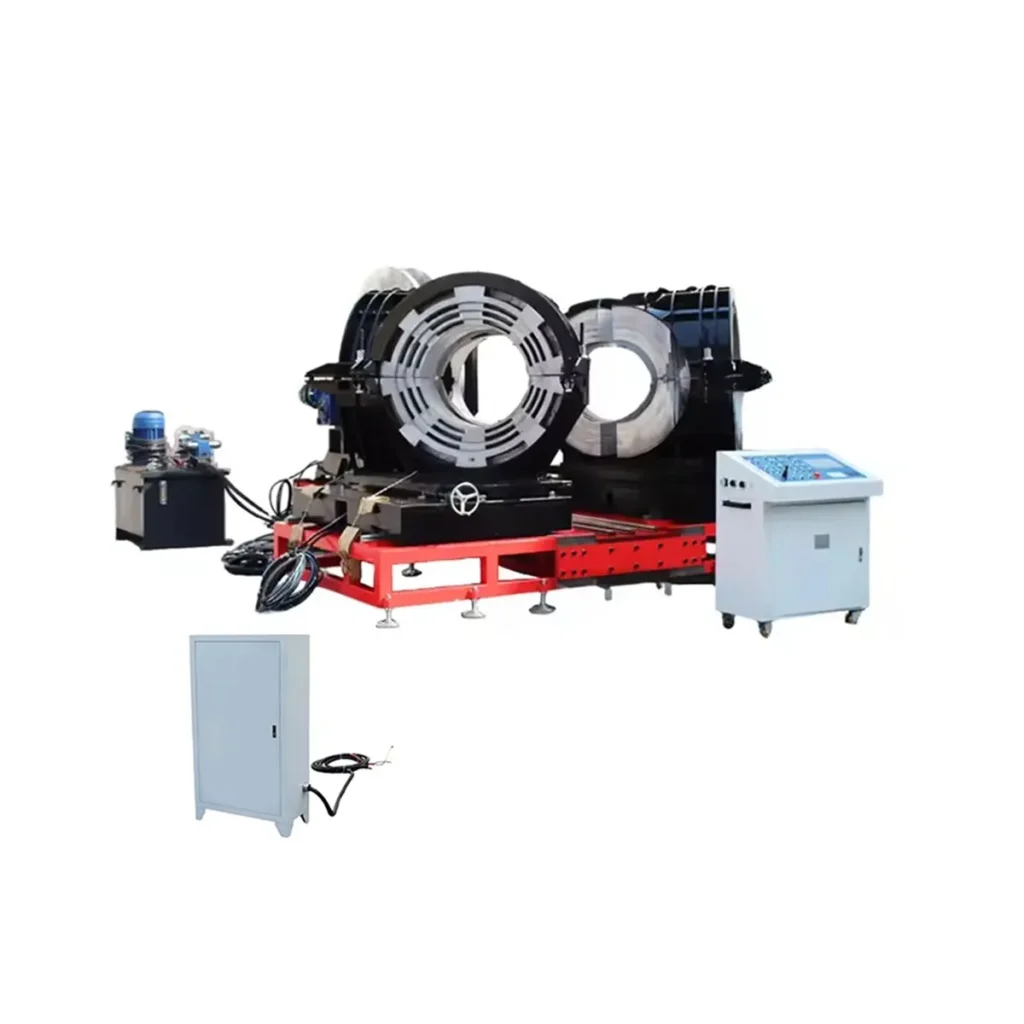
Choosing the right poly pipe fusion machine is critical for building reliable HDPE pipelines that last. Whether you’re working on municipal water, gas distribution, mining, or industrial piping, the right equipment boosts joint strength, reduces rework, and improves on-site productivity. This guide walks you through the practical factors to consider when selecting a butt fusion or electrofusion machine so your welds are consistent and compliant.
Understand the Fusion Methods
Butt fusion: Two pipe ends are heated and pressed together to form a homogeneous joint. Best for straight runs and a wide range of diameters.
Electrofusion: Uses special fittings with embedded heating coils. Ideal for repairs, complex fittings, and locations where alignment is difficult.
Multi-angle and fitting machines: Designed to weld tees, elbows and fabricated fittings precisely—excellent for HVAC, irrigation, and municipal networks.
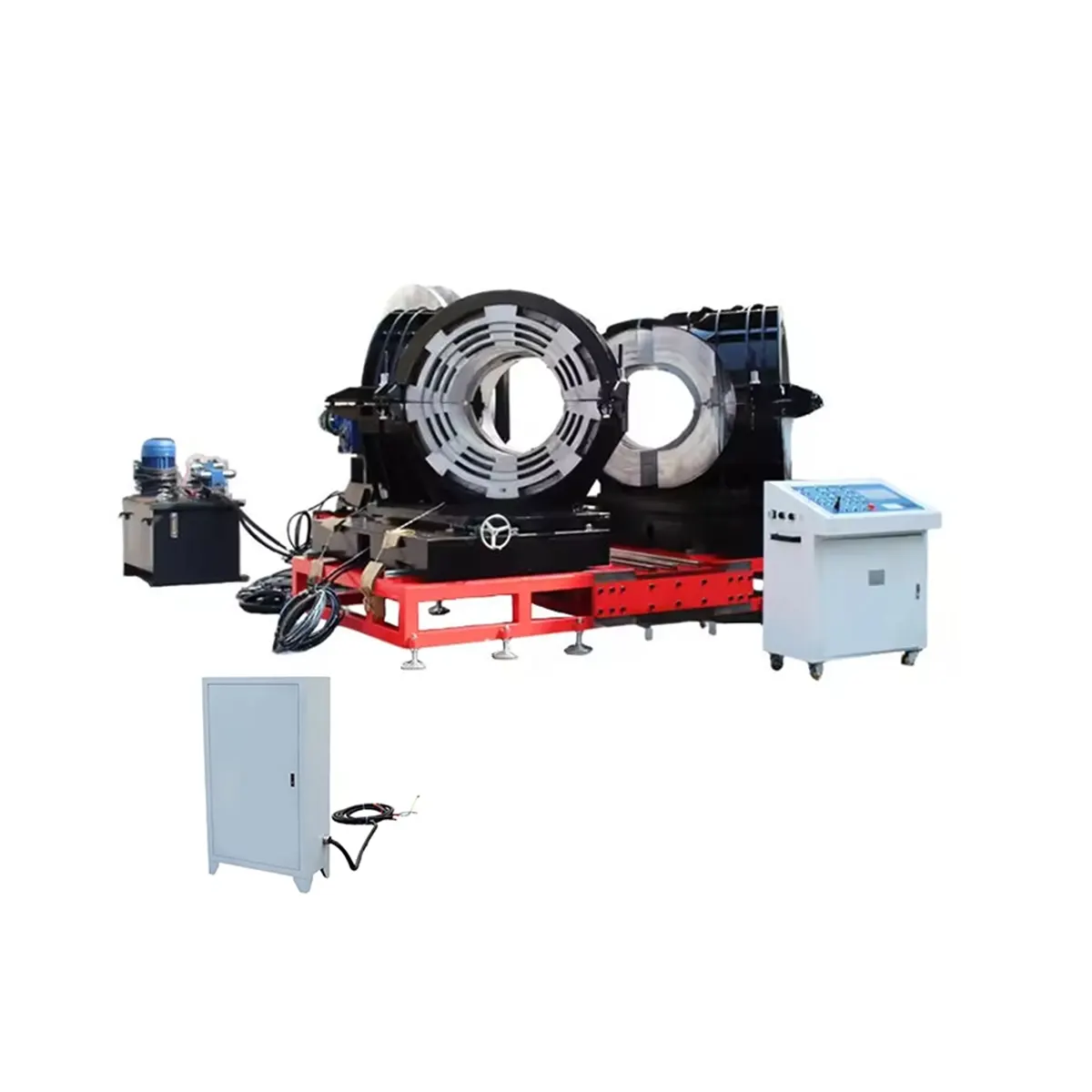
Machine Types and When to Choose Them
Manual machines — Low-cost, portable, and perfect for small crews and site repairs. Choose when budgets are tight or access is limited.
Hydraulic machines — Provide consistent, high clamping force for medium to large diameters. Best for contractors who need repeatable quality on larger pipelines.
Automatic/CNC machines — Offer process control, digital heating and trim cycles, and full traceability. Ideal for high-volume projects and when welding accuracy is critical.
Key Specifications to Evaluate
Diameter range: Ensure the machine covers the pipe sizes used on your project (from small irrigation lines to large-diameter mains).
Clamping force & alignment: Look for stable clamp systems and guides that prevent misalignment during fusion.
Heating plate quality: Uniform heat distribution, quick warm-up, and durable non-stick plates reduce cycle time and defects.
Control & traceability: Digital controllers with cycle logging, temperature and pressure monitoring are important for quality assurance and certification.
Power & portability: Consider site power availability and whether you need a lightweight, transportable option or a heavy-duty stationary machine.
| Model (example) | Diameter Range (mm) | Type | Best for |
|---|---|---|---|
| JQH160 | 20–160 | Hydraulic | Small to medium municipal works |
| JQA400 | 110–400 | Automatic | High-volume pipeline contractors |
| JQMA1600 | Up to 1600 (fittings) | Multi-angle fitting | Fabrication shops & complex networks |
Controls, Safety & Standards
Digital controllers and sensors reduce human error. Machines with automated cycle profiles for heating, heating soak, pressure application, and cooling deliver consistent joints.
Safety features such as pressure relief, emergency stops and secure clamping protect operators and equipment on-site.
Certifications — Verify compliance with ISO/EN standards for fusion welding (e.g., ISO 21307, EN 12201 where applicable) and request material traceability reports when needed.
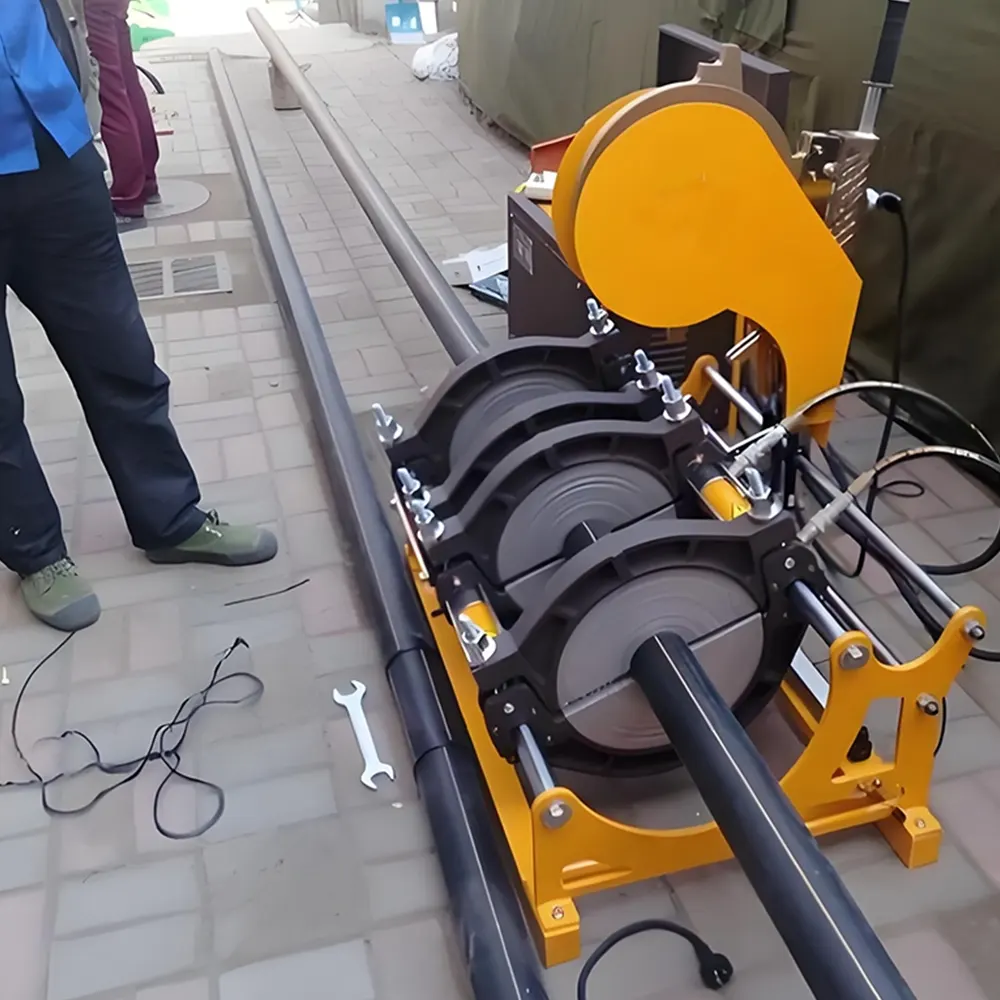
Project Considerations: What to Prioritize
Job scale: For single repairs choose portable manual units; for long-distance mains choose automated or hydraulic systems.
Environment & logistics: Remote sites often require battery-powered or low-maintenance machines with simple spares kits.
Budget vs lifecycle cost: Investing in higher-quality machines reduces downtime, scrap, and rework—often lowering total project cost.
Maintenance, Training & Spare Parts
Routine maintenance is essential: keep heating plates clean, check hydraulic fluids, and follow manufacturer-recommended calibration. Ensure operators receive certified training and that spare parts (heating elements, clamps, seals) are available locally to minimize downtime.
Testing and Documentation
Require mechanical tensile testing, peel tests or radiographic equivalence if project specs demand. Use machines with data logging to produce weld records for QA/QC and regulatory review.
For reliable butt fusion and electrofusion equipment tailored to pipeline projects, consult JQ-Fusion for model selection, custom configurations, and after-sales support.



