
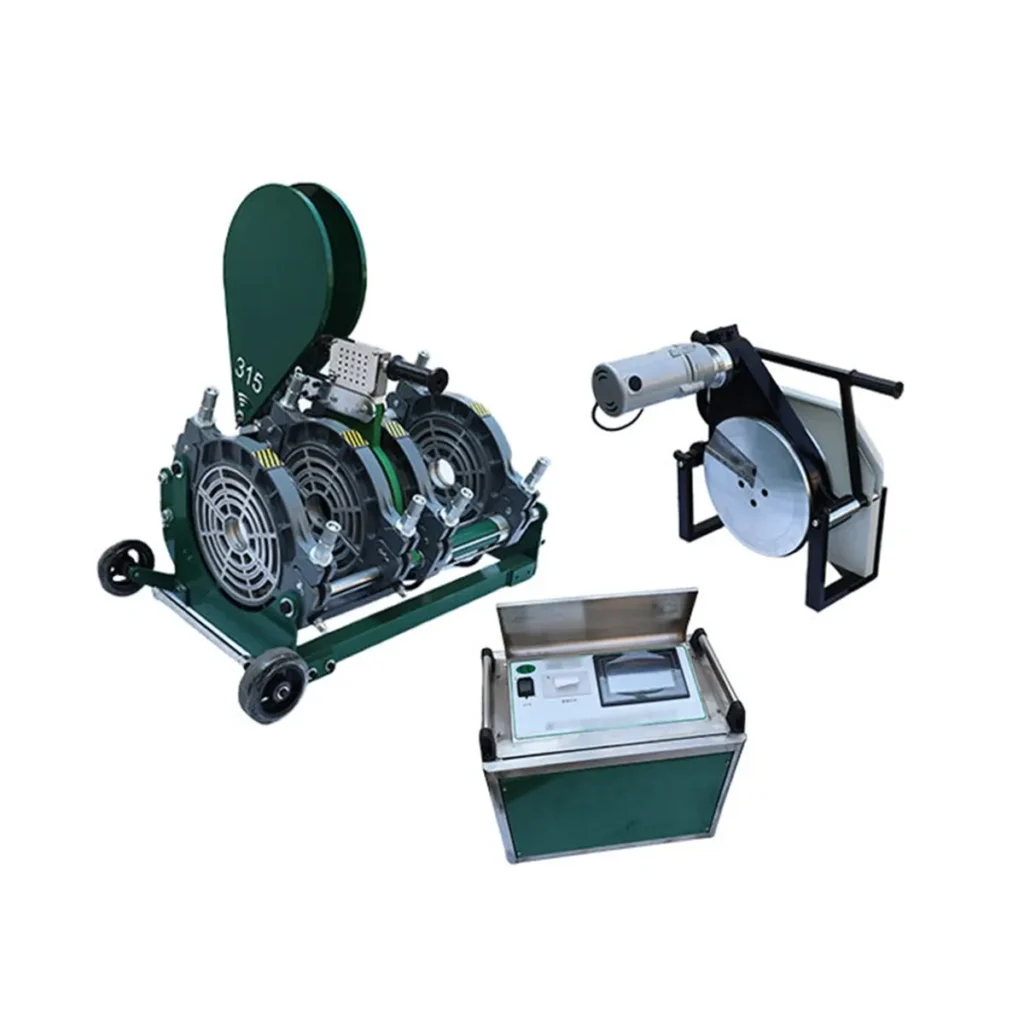
Electric fusion welding machines are essential for joining HDPE pipes in water, gas, mining, and industrial projects. Proper operation minimizes safety risks and ensures durable, leak-free joints. The guidelines below cover safety tips, best practices, and common mistakes to avoid so your fusion jobs are efficient and compliant.
Safety Tips Before You Start
Inspect the worksite and machine — check for stable ground, clear access, and secure lifting points. Verify all cables, hoses, and guards are intact, and ensure the heating plate and trimmer are clean and undamaged.
Personal Protective Equipment (PPE)
Always wear appropriate PPE: heat-resistant gloves, safety glasses with side shields, a welding apron or jacket, and safety boots. For noisy environments, use hearing protection and consider respiratory protection if fumes are present.
Electrical & Thermal Safety
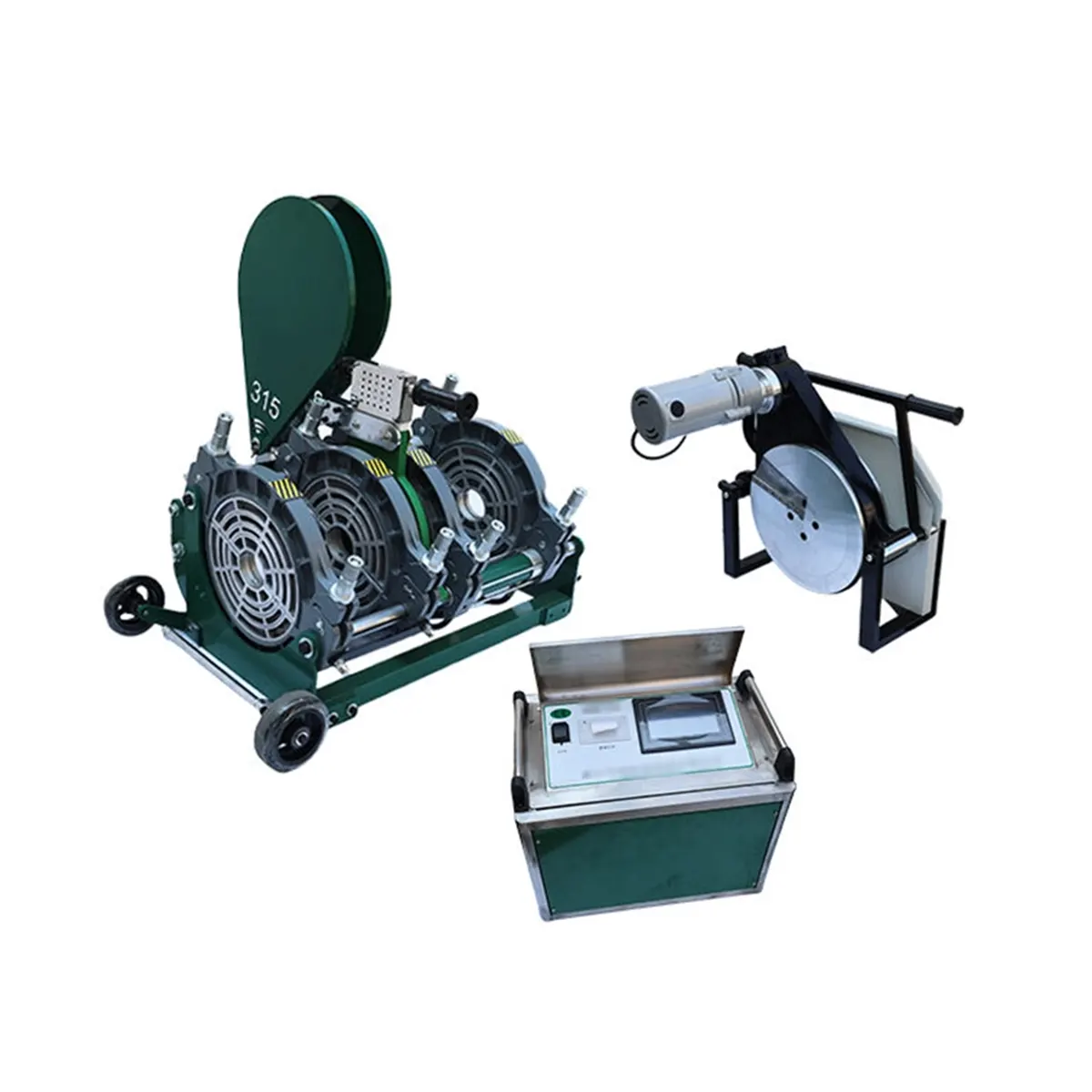
Ensure the machine is connected to a properly grounded power source and protected by a circuit breaker. Never operate with wet hands or standing water nearby. Keep a safe distance from the heated plate and avoid touching the heater surface while energized.
Quick Safety Checklist
| Item | Action |
|---|---|
| Power & Grounding | Verify voltage, grounding, and breaker settings |
| Heater & Trimmer | Clean surfaces; preheat per spec |
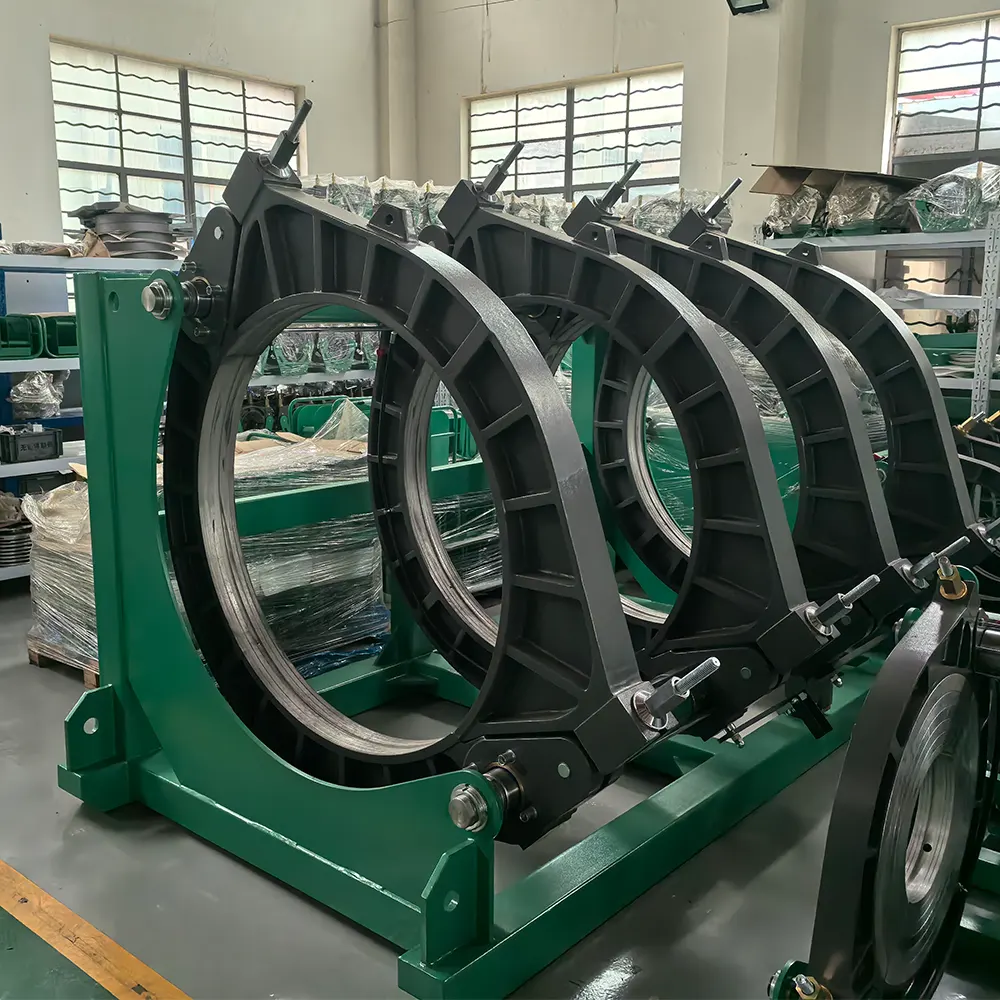
| Clamps & Alignment | Secure pipe ends and check axial alignment |
| PPE | Wear gloves, eye protection, and boots |
Best Practices for Reliable Butt Fusion
Follow the machine manual and pipe standards (ISO/ASTM) — set heater temperature, soak, fusion, and cooling times according to pipe material, diameter, and wall thickness.
Step-by-step Workflow
1) Clean pipe ends and remove oxidized material using the pipe trimmer. 2) Align pipes in the clamps and square ends. 3) Apply facing tool and verify parallelism. 4) Preheat the heater plate to the correct temperature and perform the correct soak time. 5) Remove heater, bring pipe ends together under controlled pressure, and maintain fusion pressure for the required time. 6) Hold clamps steady during cooling to avoid disturbance.
Temperature, Pressure & Alignment Control
Accurate thermostat calibration and pressure gauges are critical. Incorrect temperature can cause weak welds (too low) or degraded material (too high). Use alignment jigs where possible and check axial tolerance before fusion begins.
Documentation & Traceability
Record key parameters: pipe material, SDR, heater temperature, fusion pressure, times (soak, fusion, cooling), operator name, and date. Good records support quality control and troubleshooting.
Common Mistakes and How to Avoid Them
Poor surface preparation: Skipping proper trimming and cleaning leads to inclusions and poor fusion. Always face to a smooth, shiny cross-section.
Incorrect heater temperature or dirty heater: Residue on the heating plate reduces heat transfer—keep it clean and verify temperature with a calibrated thermometer.
Misalignment during welding: Lateral or angular misalignment causes uneven fusion and weak joints. Use proper clamps and check alignment frequently.
Inadequate cooling time: Removing restraints or applying load too soon can cause warp or brittle fusion zones. Respect the cooling period based on pipe size and ambient conditions.
Maintenance Tips
Regularly inspect seals, hydraulic hoses, electrical connections, and heater elements. Replace consumables (trimmer blades, heater protective covers) on schedule. Keep the control unit firmware updated if applicable.
Training & Competency
Only trained operators should run fusion machines. Periodic refresher training reduces operator errors and improves joint quality. Document operator qualifications and welding trials.
When to Call for Service
If you notice inconsistent heater temperatures, hydraulic leaks, erratic pressure readings, or repeated weld failures despite correct procedure, stop operations and consult a qualified technician.
For reliable butt fusion equipment and global project support, consider contacting JQ-Fusion via https://jq-fusionwelding.com/ for machine options, spare parts, and technical guidance.



