
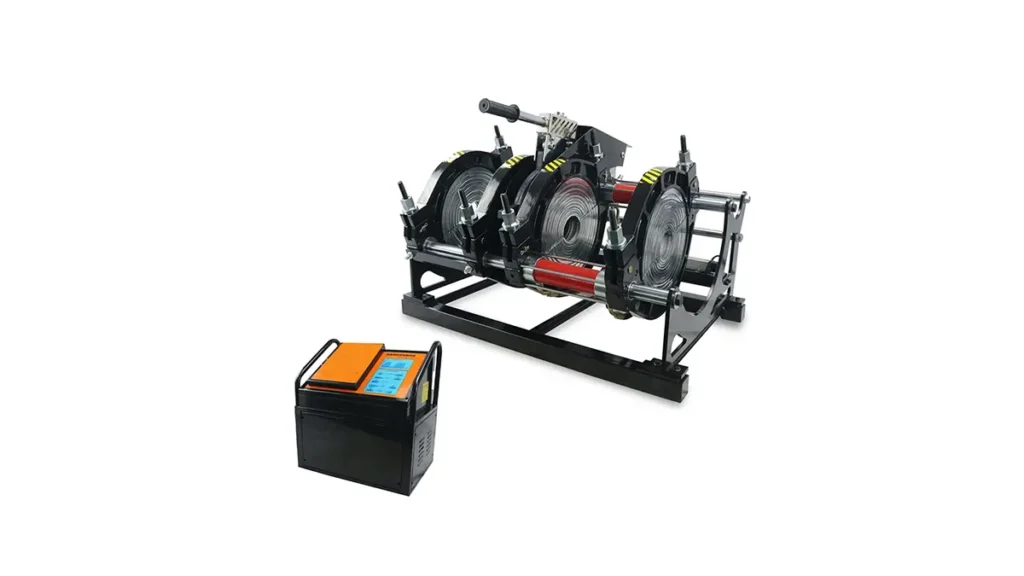
Installing a dependable irrigation network starts with one critical factor: joint integrity. Whether you are managing an expansive agricultural project, a golf course, or a municipal landscaping system, the longevity of your HDPE pipes depends heavily on the quality of the welds. A specialized pipe fusion machine for irrigation is not just a tool; it is the backbone of a leak-free and durable piping system. Choosing the wrong equipment can lead to catastrophic joint failures, significant water loss, and costly repairs down the line.
Understanding the Role of Fusion in Irrigation Systems
Modern irrigation networks rely almost exclusively on High-Density Polyethylene (HDPE) pipes. Unlike traditional materials, HDPE offers flexibility, corrosion resistance, and a lifespan that can exceed 50 years. However, these benefits are only fully realized when the pipes are joined using proper butt fusion welding machine techniques. The process heats the pipe ends and fuses them under pressure, creating a monolithic, homogenous joint that is actually stronger than the pipe itself. For irrigation, where pipes are subjected to constant pressure fluctuations and environmental stress, this seamless bond is non-negotiable.
Key Factors to Consider When Selecting Your Equipment
Not all pipe fusion machines are built the same. To ensure reliable pipe installation, you must match the machine’s capabilities with the specific demands of your irrigation project. Here are the primary considerations:
1. Pipe Diameter and Wall Thickness (SDR)
The scope of your irrigation mainlines and laterals will dictate the machine size. While a manual machine might suffice for small-diameter drip lines, large-scale pivot irrigation systems require heavy-duty hydraulic rigs. Always check the machine’s capacity range. You need a machine that comfortably handles your maximum pipe diameter and the required PE butt fusion equipment standard for wall thickness.
Automatic Option
Hydraulic Option
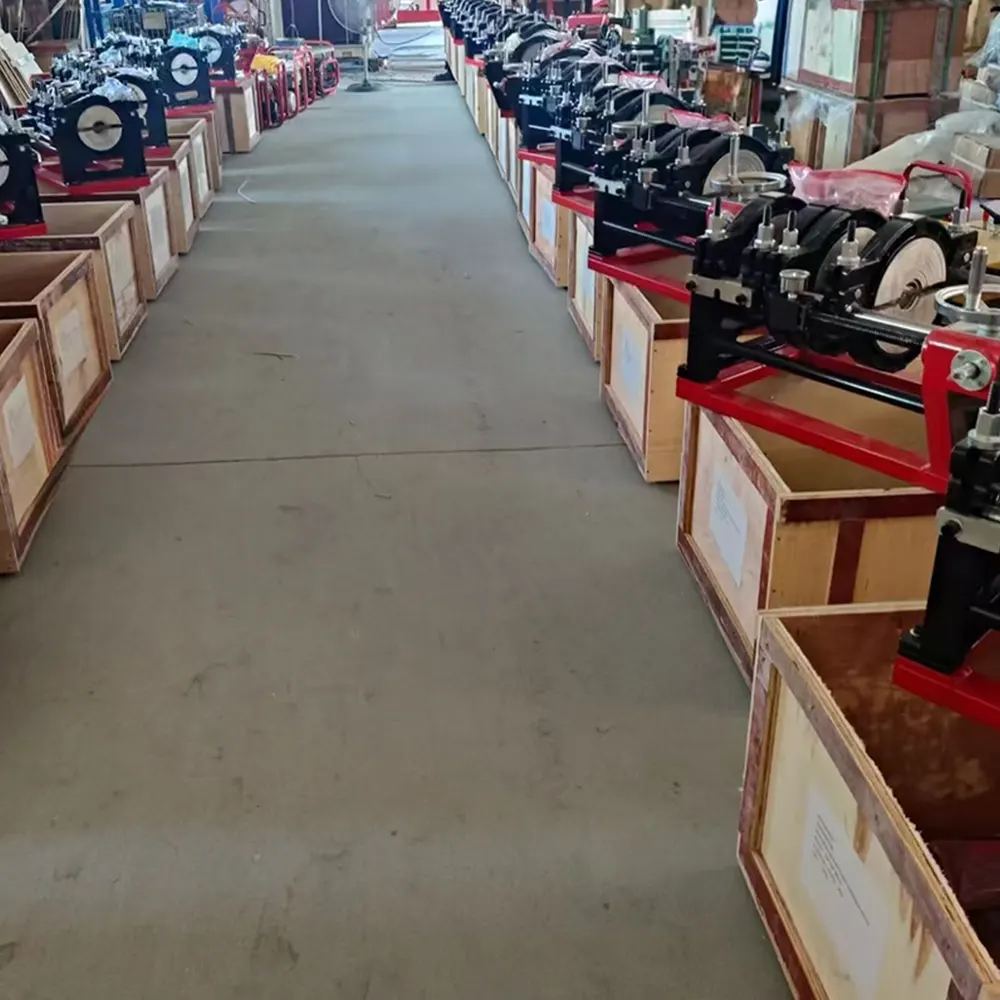
Manual Option
2. Automatic vs. Hydraulic vs. Manual Operation
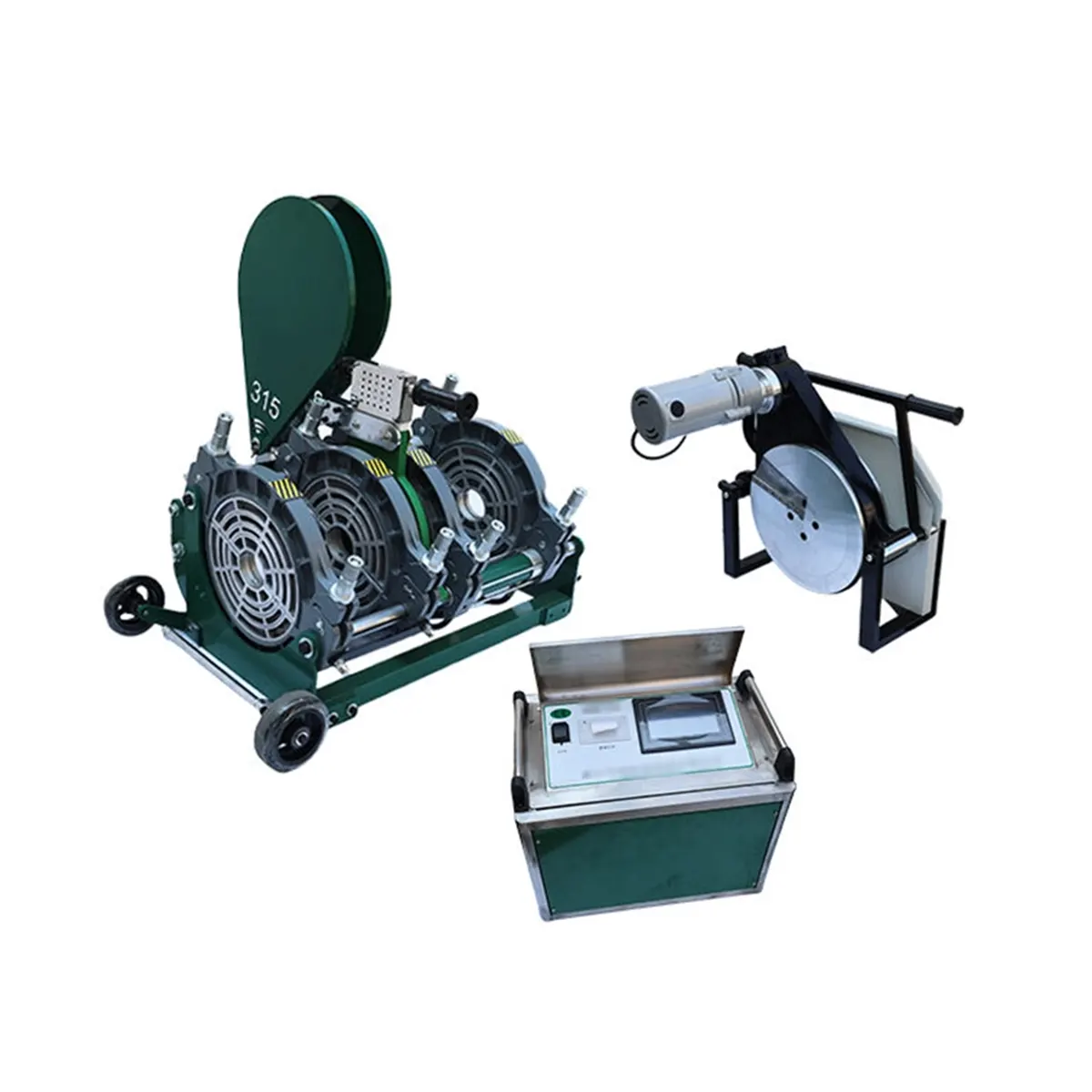
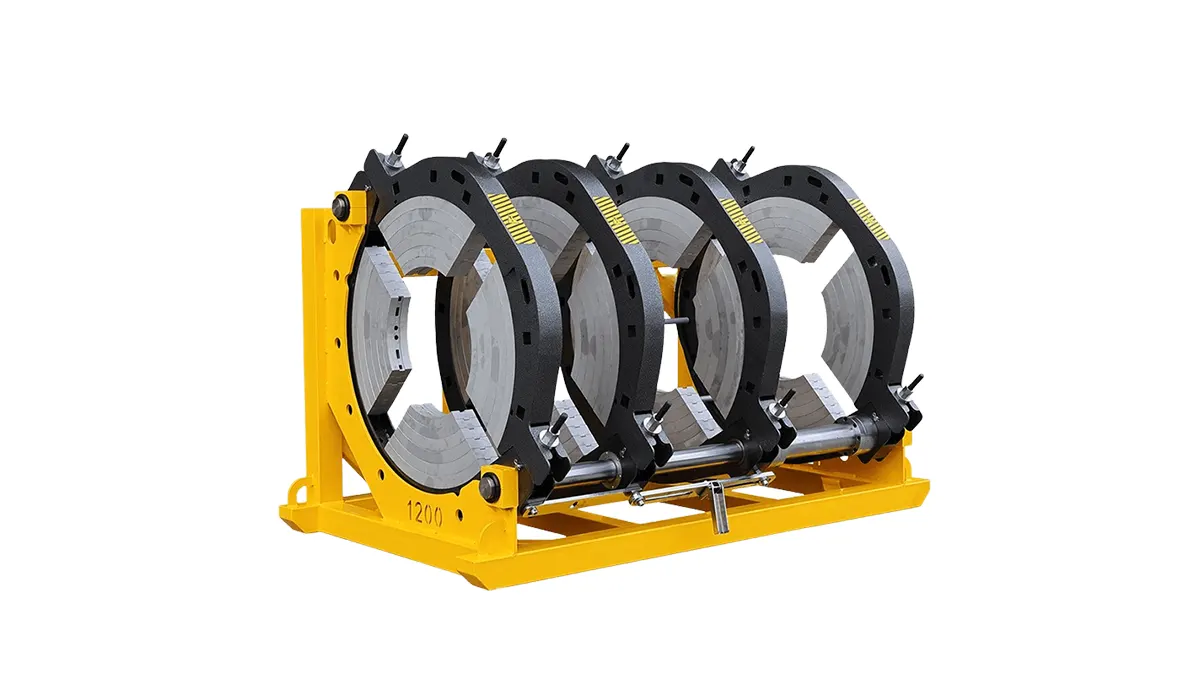
The level of automation affects both the speed and consistency of your joints. A CNC automatic butt fusion machine eliminates operator error by controlling the critical fusion phases automatically, which is ideal for large irrigation projects demanding impeccable ISO 21307 butt fusion procedures. Hydraulic machines offer the necessary clamping power for medium to large diameters without exhausting the manual labor force, while manual machines are cost-effective for small-scale repairs and narrow trenches.
3. Essential Machine Features for Field Reliability
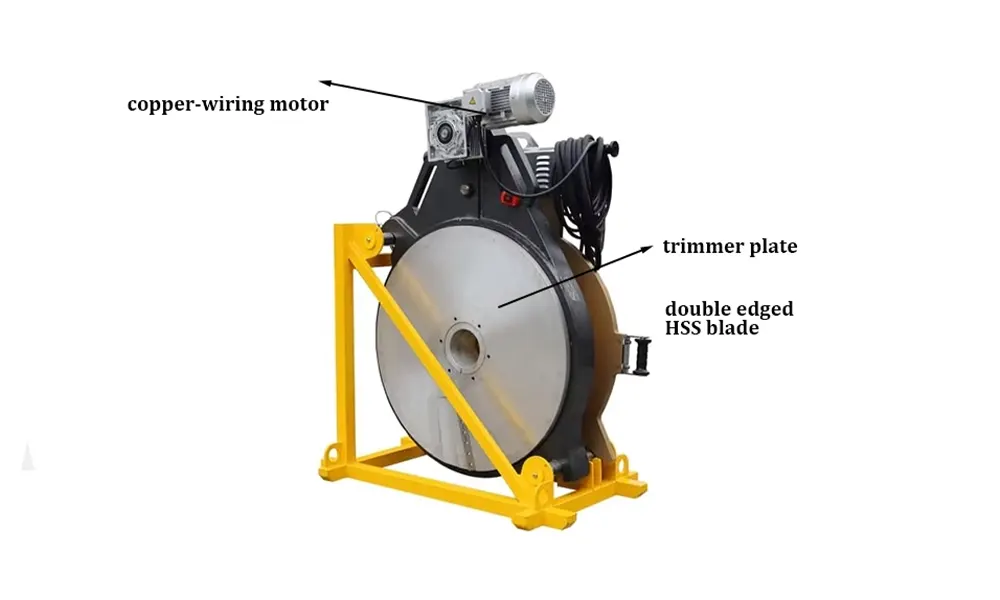
Look for machines equipped with Teflon-coated heating plates to prevent polyethylene sticking. A high-precision hydraulic unit ensures the correct pressure is maintained throughout the cooling cycle. The trimmer must be robust enough to face the tough soil conditions found in irrigation fields. Finally, a properly designed clamp system is crucial to prevent misalignment and slipping on muddy or uneven terrain.
Comparing Machine Types for Irrigation Use
To help you visualize the best fit, below is a breakdown based on typical irrigation scale and complexity:
| Machine Type | Typical Irrigation Pipe Range | Best Application Scenario |
|---|---|---|
| Manual | Up to 200mm | Small drip lines, residential sprinklers, repairs |
| Hydraulic | 200mm – 1200mm | Main supply lines, large-scale farm networks |
| CNC Automatic | 160mm – 630mm+ | Projects requiring strict traceability and documentation |
Why Construction Environment Matters
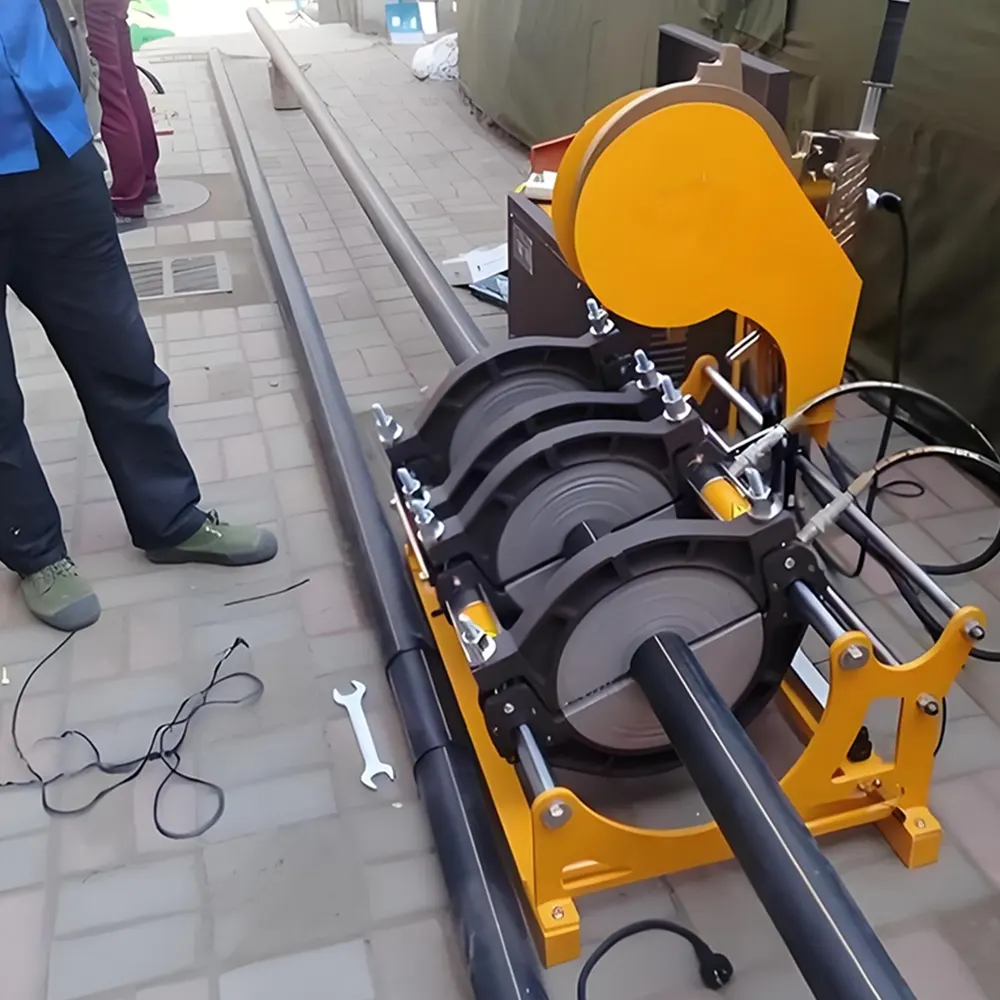
Irrigation sites are rarely tidy workshops. You will be working in direct sunlight, dust, and potentially uneven ground. Therefore, the pipe fusion machine for irrigation you choose must be rugged. All-terrain wheels or a sturdy trailer-mounted frame are often necessary. Additionally, consider power sources. While many hydraulic butt fusion machines use diesel-powered packs, some remote irrigation sites might benefit from electric motor-driven options if a generator is already on-site.
Managing Fusion Pressure and Alignment
- High Alignment Precision: The machine frame must keep the pipe ends perfectly aligned. Misalignment by even a millimeter can cause a weak joint that fails under water hammer pressure.
- Controlled Pressure Systems: Look for units with easily adjustable pressure regulators. PPI technical guidance recommends strict adherence to interfacial pressure standards to avoid cold fusion or overheating.
- Effective Drag Resistance: A quality machine minimizes drag by using roller cradles, allowing the pipes to move smoothly during the melt cycle without dragging through the soil.
Ensuring Long-Term Reliability with Standard Compliance
A reliable installation is guaranteed not just by the machine, but by adherence to global standards. Always ensure your equipment data logging is compatible with best practices. For instance, following ISO 21307 butt fusion procedures guarantees the weld integrity required for pressurized water supply. This becomes crucial when your irrigation system must run 24/7 during peak growing seasons without a drop lost.
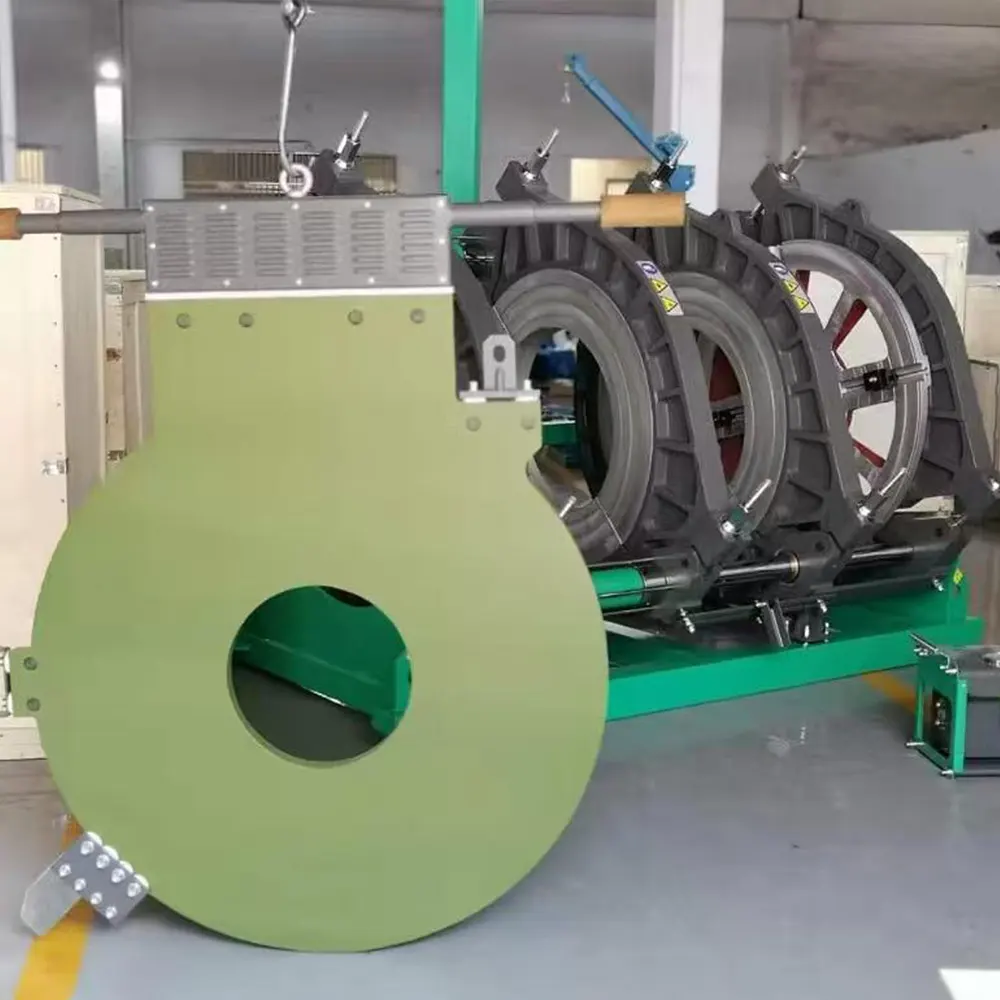
Manufacturers like JQ-Fusion focus on developing equipment that meets these rigorous field demands. We understand that irrigation professionals need machines that combine robust construction with precise control, backed by ready stock and reliable parts support to keep projects moving.
Operator Training: The Human Factor
Even the most advanced pipe fusion machine for irrigation cannot compensate for inadequate training. Your operators must understand PE fusion operator requirements. They need to interpret the results of the heating and cooling stages, monitor ambient temperature effects, and keep the work area free of contaminants. Investing in a machine with a user-friendly control interface and clear documentation can drastically reduce the learning curve.
Maintenance to Prevent Downtime
Daily checks on the heating plate’s non-stick coating and the hydraulic oil levels are non-negotiable. A dull trimmer blade will compromise the oxidized layer removal, leading to poor fusion. Always source a machine from a manufacturer that offers comprehensive after-sales support and readily available spare parts. The PE butt fusion equipment standard suggests regular calibration of the temperature control system to maintain a consistent 230°C surface.
Conclusion: Securing Your Water Network with the Right Choice
Choosing a pipe fusion machine for irrigation is an investment in water security. By carefully evaluating the pipe diameter, machine type, and environmental challenges, you can eliminate the risk of joint failures. Whether you select a manual model for precision low-volume lines or a tracked hydraulic system for large-scale agricultural mains, the goal remains identical: a monolithic, leak-free pipe network that delivers water reliably for decades. For a project that demands zero compromise on weld integrity, selecting equipment validated by international standards is the only path forward.



