
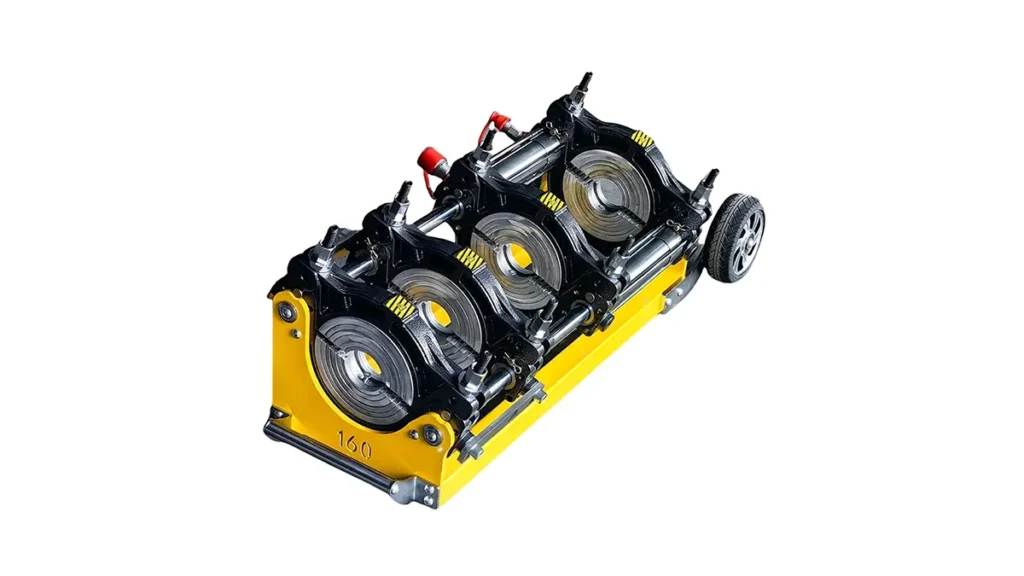
Thailand’s expanding infrastructure and rising demand for durable pipeline systems make high-quality HDPE welding equipment essential for contractors, municipal utilities, and private developers. From urban water networks in Bangkok to irrigation and industrial pipelines across the Northeastern provinces, reliable welding ensures leak-free, long-lasting joints under tropical conditions.
Why HDPE Welding Matters in Thailand
HDPE pipe systems are preferred in Thailand for corrosion resistance, flexibility, and long service life in hot, humid and coastal environments. Proper welding prevents failures that can be costly during rainy season flooding, saline exposure near the Gulf of Thailand, or in remote worksites where rapid repair is difficult. Selecting the right welding equipment directly impacts project uptime, safety, and lifecycle cost.
Common Welding Methods Used Locally
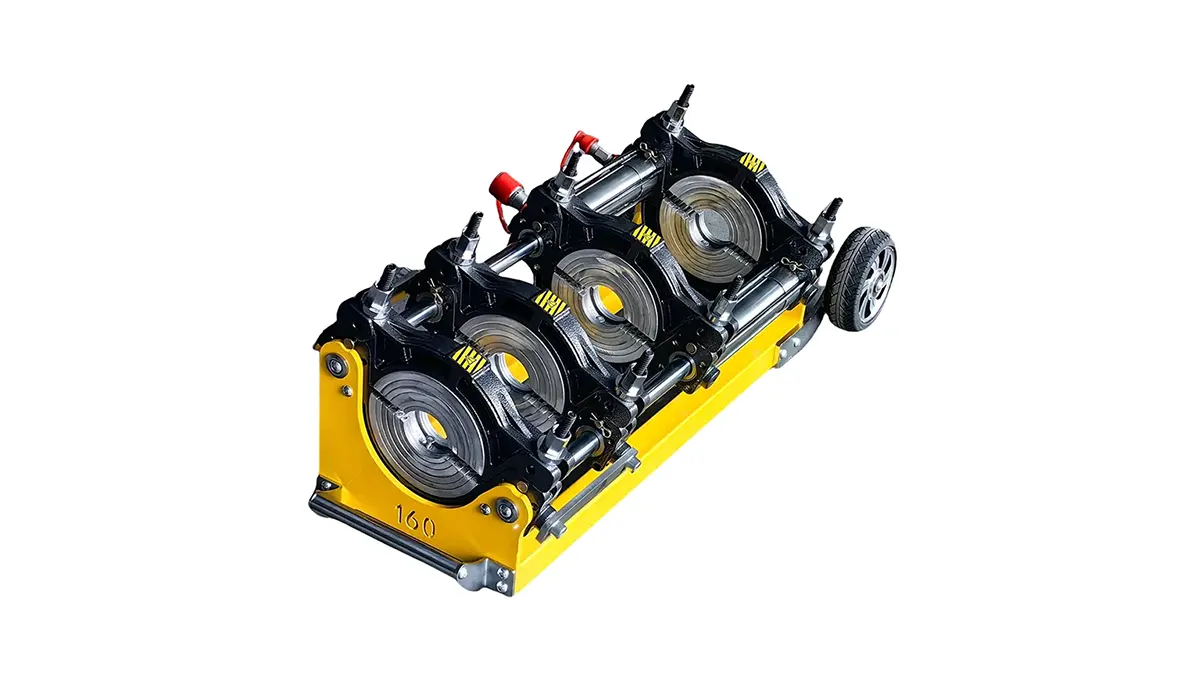
Butt Fusion: The most common for mains and large-diameter lines — creates uniform, strong joints ideal for potable water, gas distribution and sewage.
Electrofusion: Used for fittings and repair work where access is limited and precision is needed for smaller diameter piping.
Socket Fusion & Hot Gas: Often used for small-diameter HDPE in plumbing and irrigation systems.
HDPE Welder Types — Quick Comparison
| Type | Typical Diameter Range | Best For | Key Advantage |
|---|---|---|---|
| Manual Butt Fusion | 20mm – 315mm | Small jobs, tight budgets | Portable and cost-effective |
| Hydraulic Butt Fusion | 160mm – 2000mm+ | Large diameter mains, industrial works | Stable pressure control for consistent joints |
| Automatic / CNC Butt Fusion | 63mm – 1200mm+ | High-volume, critical infrastructure | Repeatable precision, data logging |
Selecting a Welder for Thai Site Conditions
Consider local factors: power availability (generator use in remote areas), ambient temperature, humidity and UV exposure. For coastal or southern projects, choose machines and accessories with corrosion-resistant finishes and sealed electronics. For large municipal contracts, automatic or hydraulic butt fusion machines with data recording and GPS-ready documentation support regulatory compliance and QA processes.
Training, Certification and After-Sales Support
Thai contractors benefit from on-site training in Thai or English, plus documented weld reports to meet municipal and private-sector procurement standards. Look for suppliers offering spare parts kits, maintenance training, and fast shipping to major Thai ports (Laem Chabang, Bangkok) to reduce downtime during emergency repairs.
Cost vs. Performance: What to Balance
Budget decisions should weigh initial equipment cost against weld quality, cycle time, and maintenance. Investing in higher-precision automatic machines often reduces rework and long-term operational expense for high-capacity projects like urban water networks and factory pipelines.
Why Choose a Proven Manufacturer
For dependable HDPE welding equipment, JQ-Fusion (https://jq-fusionwelding.com/) combines a broad product range — manual, hydraulic, and CNC automatic butt fusion machines — with global experience in water supply, gas distribution, mining and industrial pipelines.
Practical Tips for Thai Buyers
1. Match machine capacity to pipe diameter and job volume.
2. Verify local spare parts availability and warranty terms.
3. Ask for welding procedure documentation and QA logs.
4. Request training for your crew to improve joint consistency and safety.
If your next project requires robust HDPE welding solutions for Thailand’s climate and regulatory environment, choose equipment that balances portability, automation and local serviceability to maximize long-term value.



