
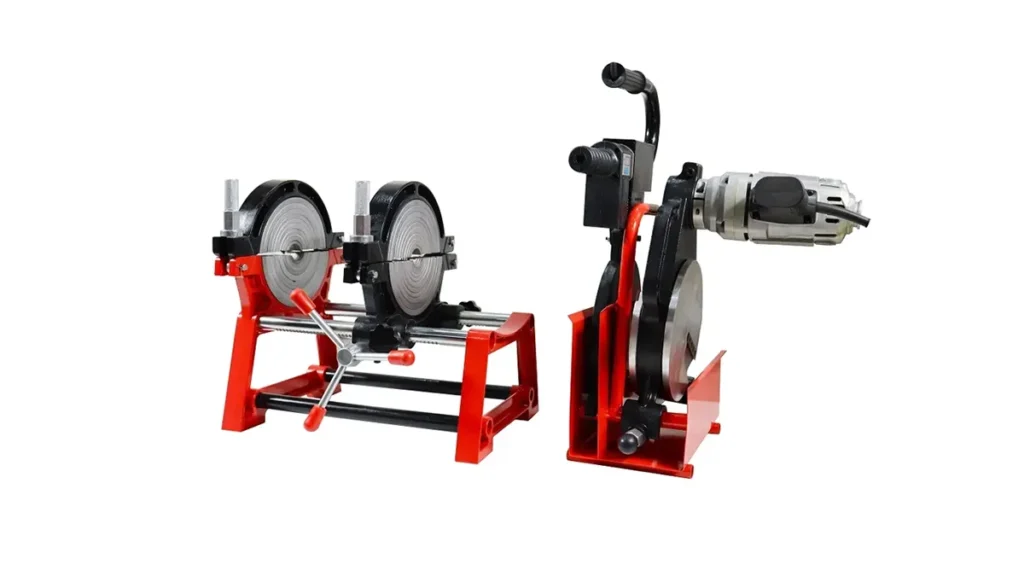
In Kazakhstan’s expanding infrastructure landscape — from steppe pipelines to mining sites in Karaganda and remote gas fields in the west — choosing a reliable butt welder supplier is essential for long-term performance. This guide explains machine types, selection tips, and practical considerations for engineers, contractors, and procurement teams working across Kazakhstan’s varied climates and terrains.
Reliable Butt Welding Solutions for Kazakhstan’s Infrastructure
Kazakhstan projects demand equipment that handles extreme temperatures, abrasive conditions, and long-distance logistics. Whether you’re building water distribution networks in Almaty, irrigation systems on the southern plains, or trunk gas lines in the Caspian region, a robust butt fusion welding solution minimizes downtime and ensures leak-free HDPE joints.
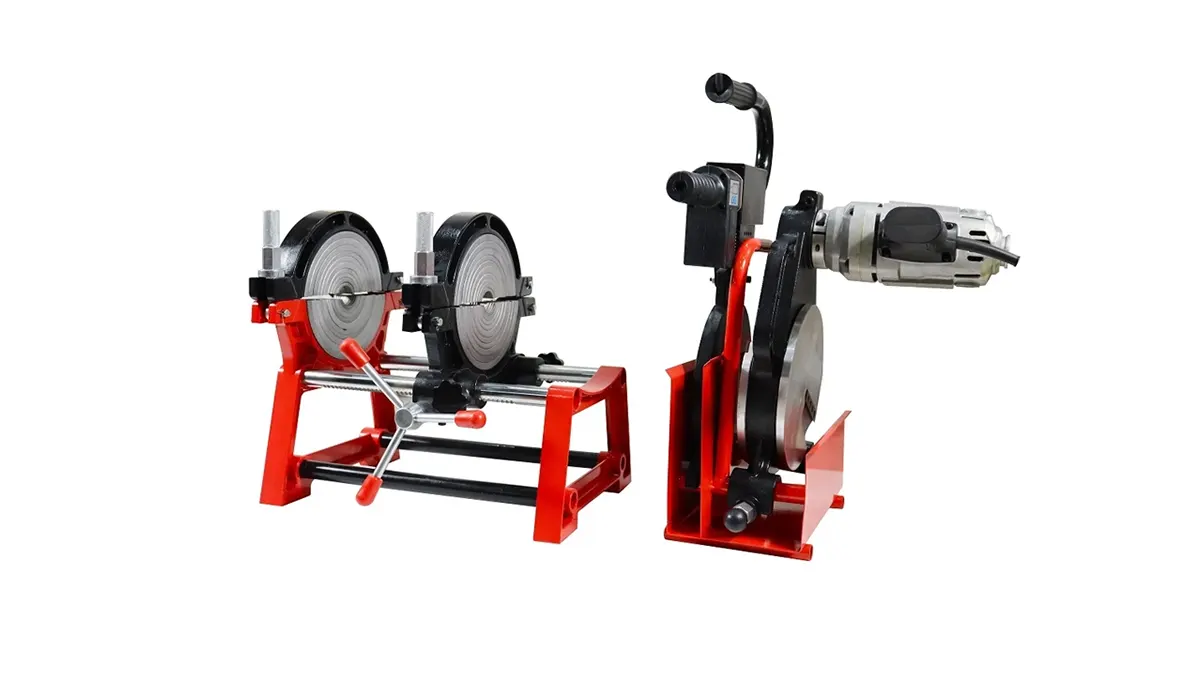
Key Machine Types and Where to Use Them
Manual Butt Fusion Machines
Best for small-diameter pipes and field repairs. Manual units are lightweight, portable, and ideal for crews performing on-site joins for municipal water lines or irrigation laterals. They require minimal power and can be operated by trained technicians in remote locations.
Hydraulic Butt Fusion Machines
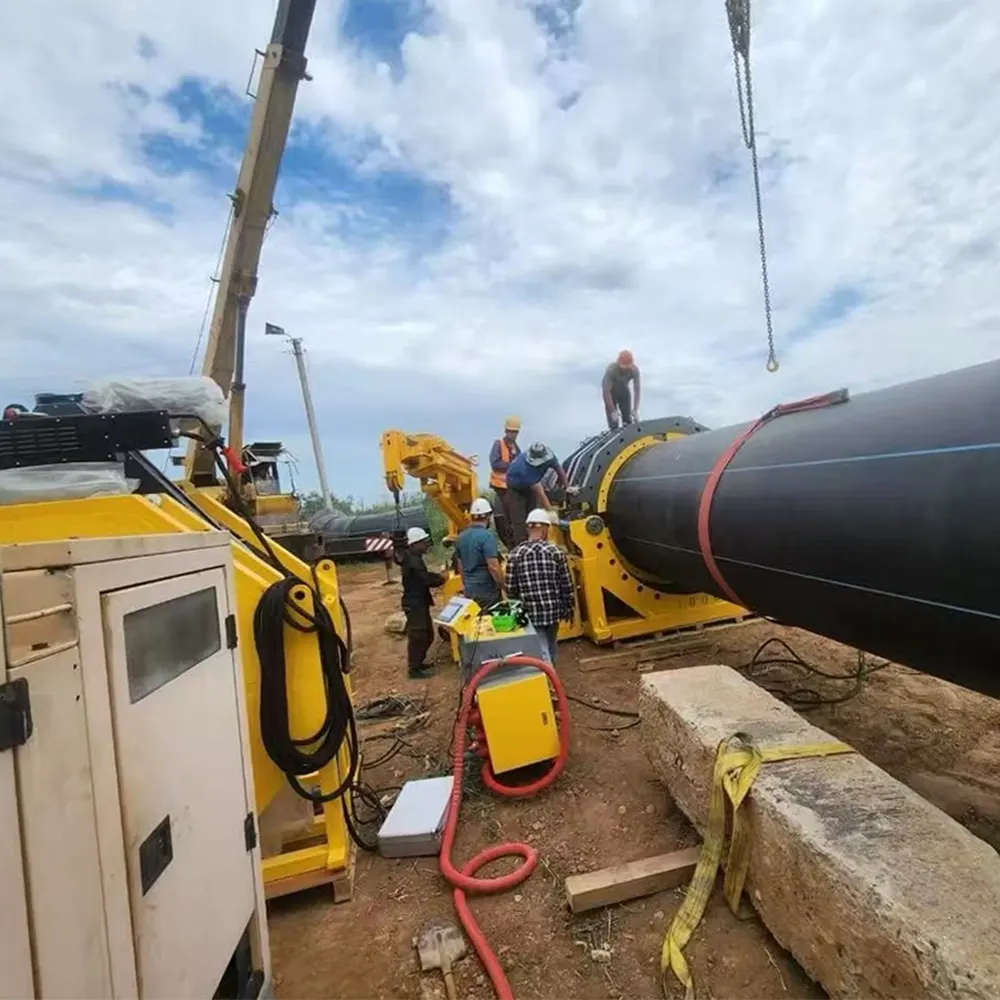
Designed for medium to large diameters and heavy-duty use. These machines provide consistent clamping and controlled fusion pressure — critical when working with main pipelines in oil & gas or mining operations where joint quality is non-negotiable.
Automatic / CNC Butt Fusion Machines
For high-volume fabrication yards and factory welds, automatic machines deliver repeatability and digital control of heating, facing, and fusion cycles. They reduce operator variability and accelerate project schedules for large pipeline contracts.
Selection Guide for Kazakh Projects
When choosing a butt welding machine for Kazakhstan, consider: pipe diameter range, site power availability, crew experience, transport logistics across long distances, and resistance to dust and cold. Durability and ease of maintenance are especially important for sites with limited workshop access.
Performance Comparison (Typical Models)
| Model | Type | Pipe Range (mm) | Best For |
|---|---|---|---|
| JQSY-2M | Manual | 20–315 | Field repairs, small water/irrigation jobs |
| JQH Series | Hydraulic | 160–2250 | Main trunk pipelines, mining & gas |
| JQA Series | Automatic / CNC | 160–630 | High-volume production yards |
| JQMA (Multi-Angle) | Fittings Machine | Varied | Fabrication of elbows, tees, custom fittings |
Maintenance, Training & Local Considerations
To maximize uptime in Kazakhstan, plan for spare parts stocking, operator training, and scheduled calibration. Remote sites benefit from modular designs and machines that are easy to service in the field. Look for suppliers who offer training programs and clear maintenance documentation to support local crews and contractors.
Safety & Standards
Ensure weld procedures follow recognized standards and that operators are trained in temperature control, facing tolerance, and fusion pressure. Properly documented weld records and QA/QC procedures reduce rework and ensure pipeline integrity through Kazakhstan’s diverse operating conditions.
Why These Solutions Work Well in Kazakhstan
Robust construction for harsh climates, a range of models for both remote fieldwork and high-volume yards, and designs that simplify transport across long distances make butt fusion welding systems a practical choice for Kazakh projects. Selecting equipment with proven reliability reduces lifecycle costs and accelerates project timelines.
About JQ-Fusion: JQ-Fusion is a professional manufacturer specializing in HDPE pipe welding machines, providing reliable butt fusion solutions for global infrastructure projects. https://jq-fusionwelding.com/
For suppliers and distributors working in Kazakhstan: evaluate machine specs against site realities, prioritize operator training, and confirm spare parts availability to keep pipelines flowing reliably across every region from the steppe to the Caspian shore.



