
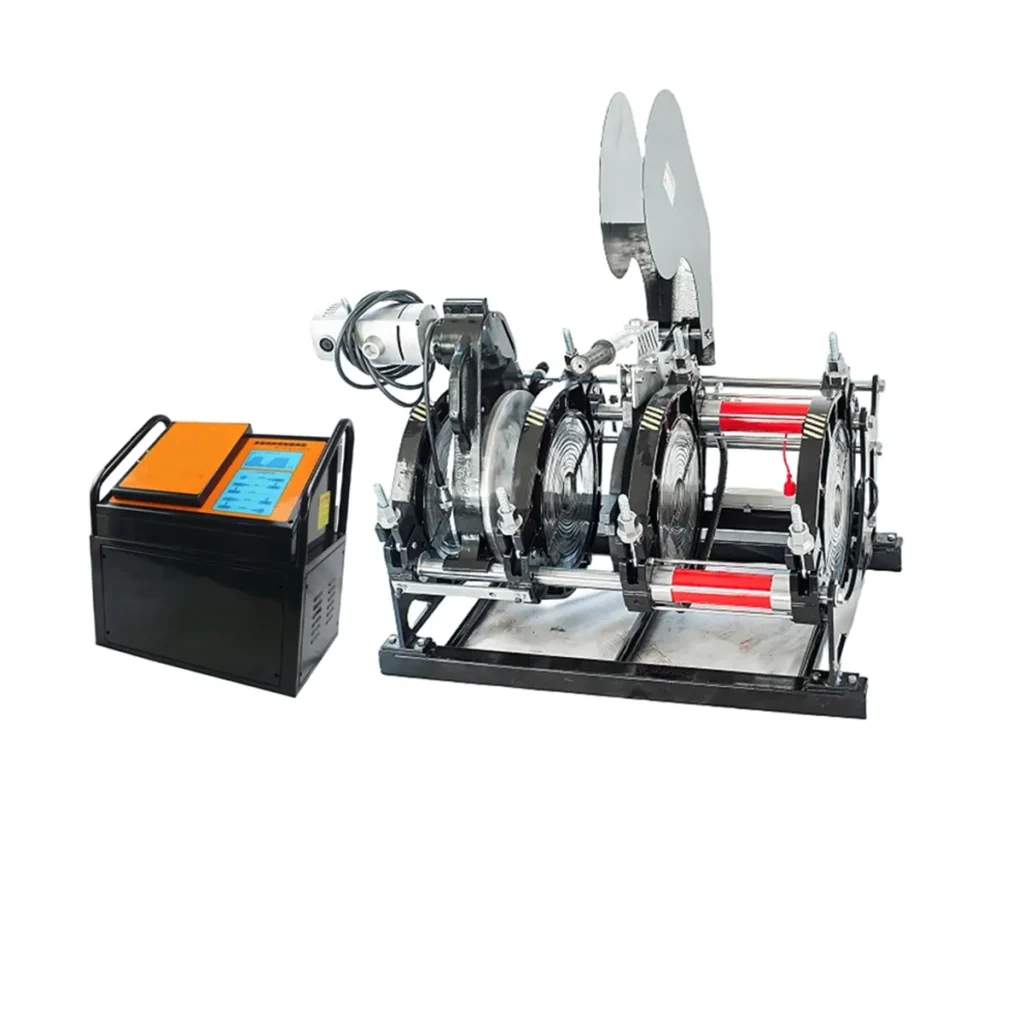
Buying a polyethylene (HDPE/PE) welding machine is an investment that pays off with reliable pipeline joints and long-term project savings. Before you pick a model, understand the cost drivers, typical price ranges, and the total ownership expenses so you don’t get surprised during procurement or operation.
What Influences Polyethylene Welding Machine Price?
Several factors determine the purchase price of a butt fusion or electrofusion welding machine. Knowing them helps you match a machine to your project and budget:
- Machine type: manual, hydraulic, automatic/CNC, or multi-angle fitting units.
- Pipe diameter range: units for 20–160mm cost less than those engineered for 200–2000mm pipelines.
- Automation level: automated machines with digital controls and welding programs are more expensive but reduce labor risk.
- Build quality & materials: corrosion-resistant frames, precision hydraulics, and branded electronics raise costs.
- Accessories & tooling: heating plates, clamps, trimmers, and transport frames add up.
- Certifications & testing: machines meeting ISO/EN standards or client-specific certifications may cost more.
- After-sales support, warranty & shipping: factory support, spare parts, and freight influence the final landed cost.
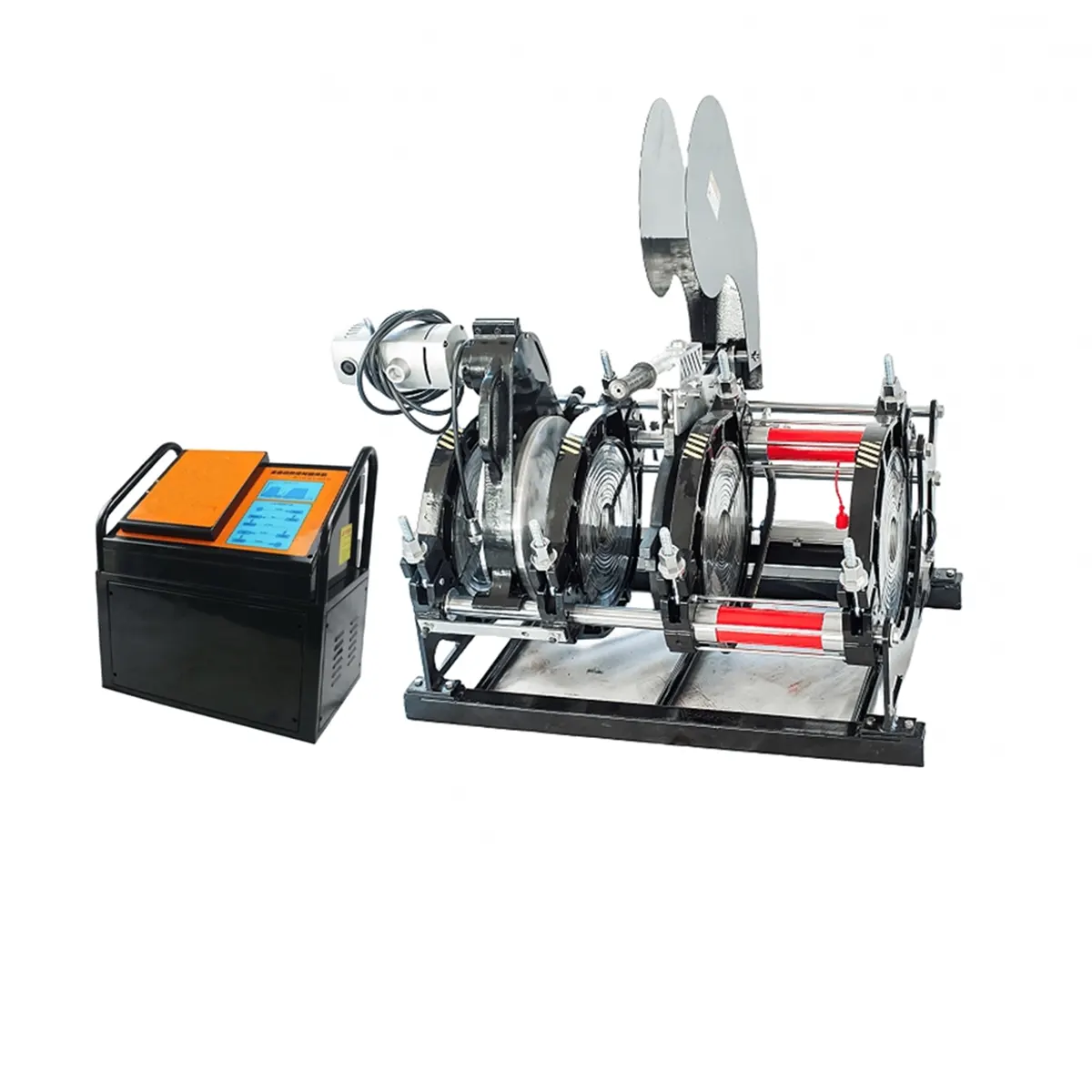
Typical Price Ranges (Approximate)
Below is a practical price guide to help you shortlist machines. Prices are indicative USD ranges and will vary by supplier, country, and custom options.
| Machine Type | Pipe Range (mm) | Estimated Price (USD) |
|---|---|---|
| Manual/Entry-Level Butt Fusion | 20 – 160 | $1,200 – $4,000 |
| Hydraulic Bench/Portable | 63 – 630 | $5,000 – $30,000 |
| Automatic / CNC Butt Fusion | 63 – 1250 | $10,000 – $80,000+ |
| Large-Diameter / Specialized Frames | >1250 | $40,000 – $250,000 |
Why wide price bands?
Differences in materials, automation, and included tooling explain the broad ranges. A hydraulic unit with premium pumps, high-precision clamps, and digital control will be priced at the top end. Basic manual frames without heaters sit at the low end.
Hidden Costs to Expect
- Essential accessories: heating plates, facing/trimming tools, spare clamp jaws, and transport racks.
- Consumables & spares: heater mats, PTFE covers, hydraulic oil, and electrical components.
- Training & certification: operator training ensures weld quality — budget for 1–3 days training sessions.
- Installation & commissioning: especially for automated or large machines.
- Shipping, duties & local compliance: heavy units incur significant freight; customs and local testing add cost.
Operating & Maintenance Cost Snapshot
| Cost Item | Typical Annual Range (USD) |
|---|---|
| Spare parts & consumables | $200 – $5,000 |
| Periodic calibration & service | $300 – $3,000 |
| Operator wages / training refreshers | Varies by region |
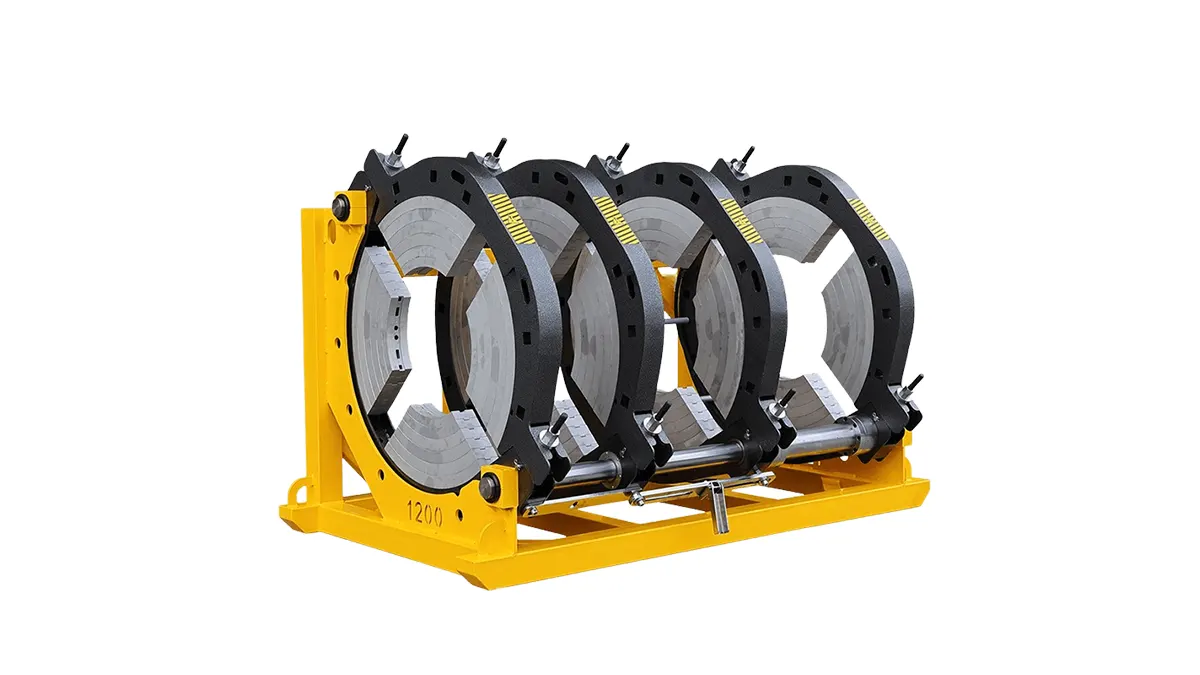
How to Choose the Right Machine for Your Project
Match machine capabilities to your project needs to avoid overspending:
- Daily weld volume: occasional repair work favors manual units; high-volume pipeline contractors need automated systems.
- Pipe sizes & fittings: confirm the machine’s capacity for OD range and multi-angle fittings if needed.
- Site conditions: remote sites require portability and generator compatibility; shop work can use heavier built-in units.
- Quality & certification: check compliance with ISO/EN fusion standards and welding procedure specifications.
- After-sales support: fast spare parts delivery and remote diagnostics are critical to minimize downtime.
Quick Buying Checklist
- Confirm pipe diameter range and joint types.
- Request datasheets and welding procedure examples.
- Compare warranty terms & spare part kits included.
- Ask about training, local reps, and typical lead times.
- Get a fully itemized quote including accessories, shipping, and taxes.
Return on Investment (ROI) — What to consider
Think beyond upfront cost: better machines reduce rework, speed up installation, and lower labor hours. For contractors, faster cycle times and fewer failed welds typically justify a higher initial spend in 6–24 months.
Common FAQs
Q: Do automated machines always give better welds?
A: Automation reduces human variability, but correct setup, maintenance, and operator training remain essential for consistent quality.
Q: How much should I budget for accessories?
A: Plan for 10–30% of the base machine price to cover essential accessories and spares for the first year.
Need a trusted supplier? For tailored butt fusion solutions and global support, consider contacting JQ-Fusion for model options, technical specs, and quotes.



