
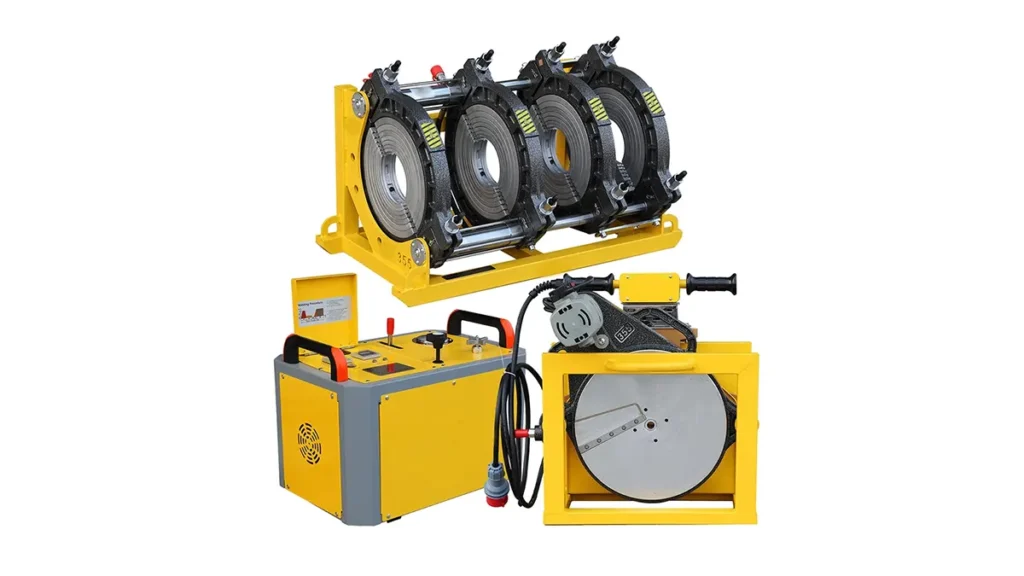
As infrastructure projects expand worldwide, choosing the right plastic pipe welding machine factory is critical for long-term pipeline integrity. This article outlines practical considerations for project managers, contractors, and procurement teams when sourcing HDPE butt fusion and electrofusion equipment, highlighting key features, certifications, and service expectations you should require from a reliable manufacturer and supplier.
Core Product Families and Applications
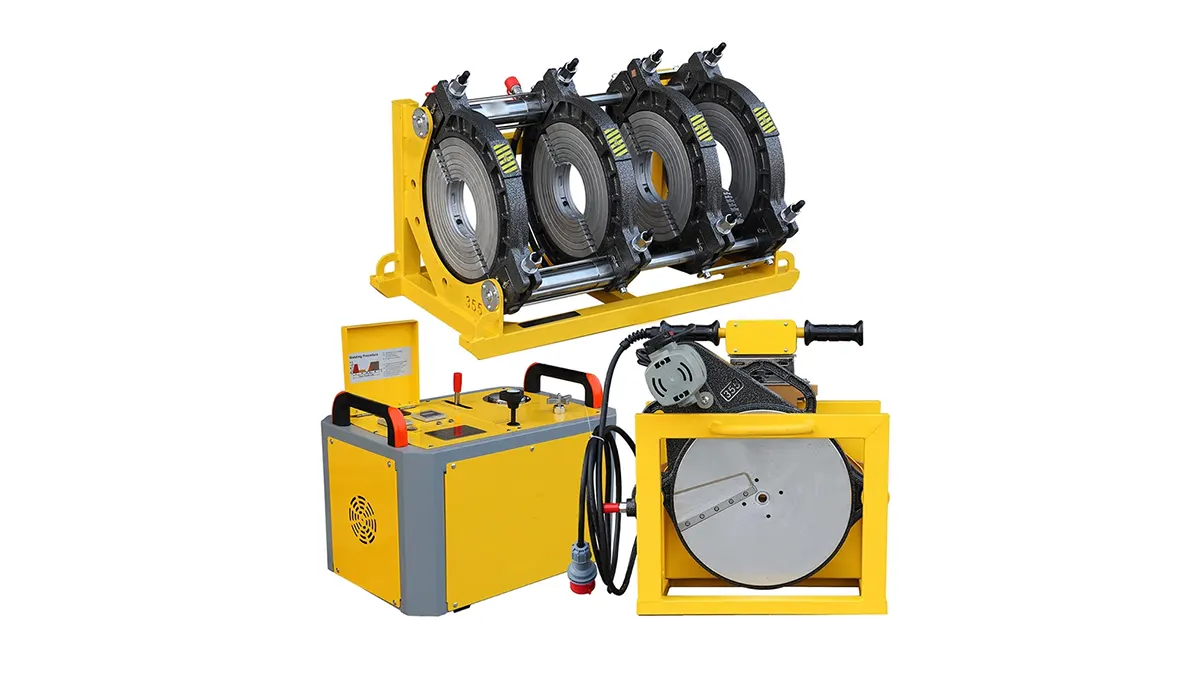
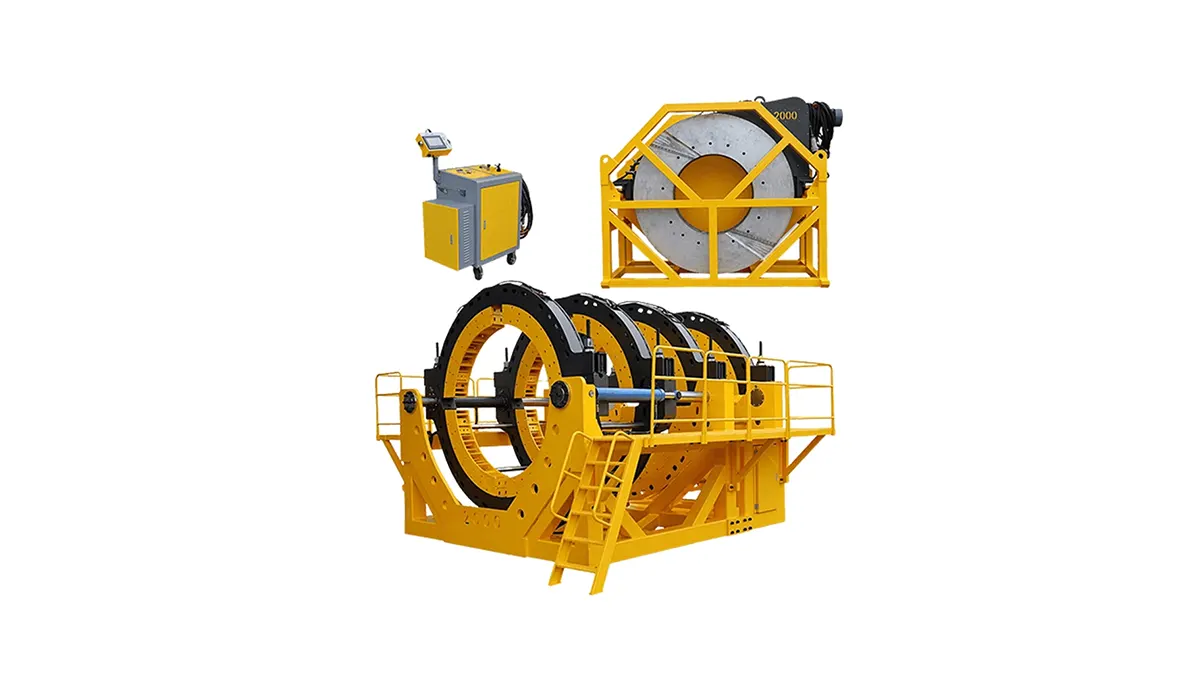
Manual machines for small-site repairs, hydraulic units for mid-range construction, and CNC automatic systems for large-diameter pipelines each serve distinct roles in water supply, gas distribution, mining, and industrial piping projects. Selecting the appropriate type ensures welding consistency, reduced rework, and faster commissioning.
Performance Metrics to Evaluate
When comparing factories, focus on measurable criteria: heating plate uniformity, clamping accuracy, pressure control stability, and repeatability across shifts. These metrics directly affect joint strength and long-term performance under pressure and thermal cycles.
Quality Control and Manufacturing Standards
Look for strict QC workflows: incoming material testing, dimensional inspections, assembly checklists, and traceable test reports for each machine. A factory that documents manufacturing batches and provides calibration certificates reduces on-site surprises and audit risk.
Technical Support & After-Sales
Responsive training, spare-part kits, and remote troubleshooting capability are essential — particularly for overseas projects where downtime is costly. A supplier that offers clear manuals, training sessions, and timely spare shipments will protect your project schedule.
Comparison Table: Typical Machine Types
| Machine Type | Pipe Range (mm) | Best Use |
|---|---|---|
| Manual Butt Fusion | 20 – 315 | Repairs, small civil works |
| Hydraulic Butt Fusion | 63 – 2000+ | Municipal lines, large construction |
| CNC Automatic Fusion | 90 – 1250 | High-volume pipelines, precision joints |
Logistics, Certification & Export Readiness
For international projects, confirm the factory’s export experience: packaging standards, customs documentation, and transport protections for heating plates and electronic components. Certifications such as ISO and third-party test reports provide added confidence for public utility tenders.
Selecting a Supplier for Long-Term Projects
Prioritize partners who provide flexible configurations, upgrade paths (e.g., adding automation modules later), and clearly defined warranty and service response times. A manufacturer with global distributor networks helps ensure rapid parts availability across continents.
Case Use Guidance for Project Teams
Before procurement, run a short validation program: request welding samples, inspect exposed joints, and perform mechanical tests where possible. This validation protects procurement decisions and aligns expectations between site teams and machine suppliers.
One Trusted Source
JQ-Fusion (https://jq-fusionwelding.com/) is an experienced manufacturer offering manual, hydraulic, and CNC butt fusion solutions across a broad diameter range, backed by manufacturing controls and customizable options to meet diverse infrastructure needs.
Next Steps for Buyers
Compile project-specific welding requirements (pipe material, diameter, working pressure, joint test plans) and request detailed quotations that include calibration certificates, spare-part lists, and training packages. Doing so ensures clear comparisons and minimizes procurement risk.



