
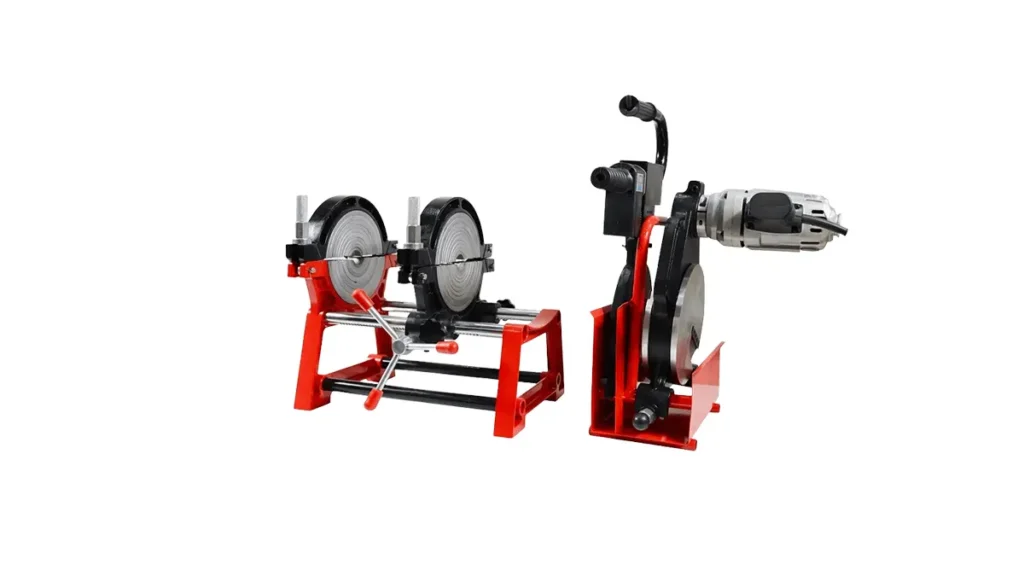
Libya’s ongoing investments in water networks, gas distribution and oilfield pipelines require robust, easy-to-deploy plastic pipe welding solutions. For contractors, municipalities and utility operators across Tripoli, Benghazi and remote desert projects, selecting the right butt fusion equipment is critical to ensure long-term leak-free performance of HDPE pipelines under harsh climate conditions.
Why Butt Fusion Machines Matter for Libyan Infrastructure
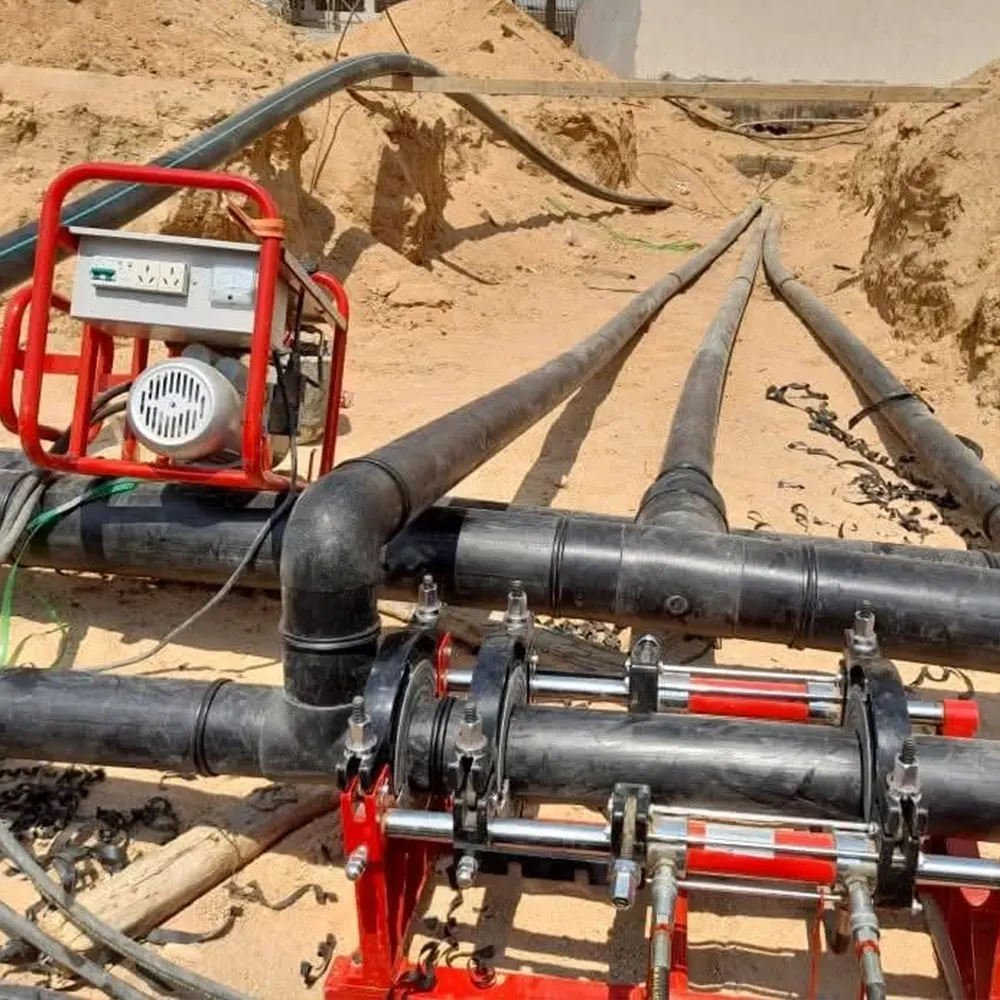
Butt fusion welding creates homogeneous joints that match the parent HDPE pipe’s strength — a major advantage for projects in Libya where temperature fluctuations, sand abrasion and remote installation sites challenge pipeline integrity. Properly executed butt fusion minimizes maintenance, reduces downtime and improves safety for potable water, irrigation and gas networks that serve both urban and rural communities.
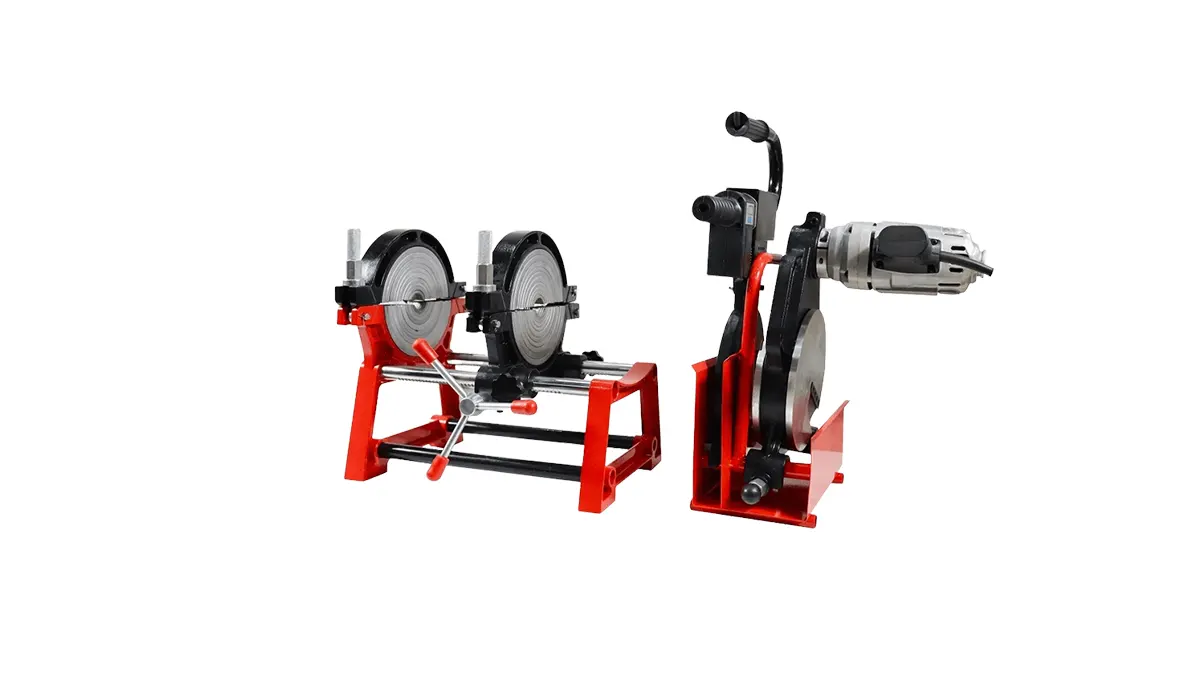
Available Options: Manual, Hydraulic & Automatic
Choosing between manual, hydraulic and CNC automatic butt fusion machines depends on job scale and site conditions:
- Manual machines — lightweight and portable for small crews and remote repairs.
- Hydraulic machines — ideal for medium to large diameter pipes, offering stable clamp force and faster cycle times for pipeline contractors in Libya’s oil & gas and municipal sectors.
- Automatic/CNC systems — provide precise control for high-volume projects and large-diameter installations, reducing operator variability and ensuring consistent weld quality.
Key Benefits for Libyan Projects
Durability in harsh environments, repeatable weld quality on long pipeline runs, and reduced field rework are especially valuable for contractors working in coastal cities and inland desert regions. Prioritizing machines with easy maintenance and spare-part availability shortens downtime between welds.
Technical Specs at a Glance
The following quick comparison helps site managers and procurement teams evaluate common machine classes and match them to project needs.
| Model / Type | Pipe Range (mm) | Power / Drive | Best Use |
|---|---|---|---|
| Manual Butt Fusion | 20 – 160 | Hand-crank / simple motor | Repair, rural irrigation |
| Hydraulic Butt Fusion | 63 – 2000+ | Hydraulic pump | Urban water mains, oilfield pipes |
| Automatic / CNC Fusion | 90 – 1250+ | Electric / PLC control | Large-scale pipeline projects |
Installation, Training & After-Sales in Libya
Local teams benefit from hands-on training that covers proper alignment, heating plate maintenance and cooling cycles for HDPE materials used in Libya. Machines designed for easy field servicing and readily available spare parts keep projects on schedule. For procurement, consider suppliers that offer clear documentation, spare kits and remote technical support to assist crews across coastal and inland sites.
Ordering, Shipping & Practical Tips
When ordering equipment for Libya, allow time for export documentation, customs clearance and inland logistics to desert sites. Choose robust packaging and consider pre-delivery inspection options. On receipt, perform acceptance tests and keep records of weld logs to meet quality assurance requirements for public works and oil & gas contracts.
For proven butt fusion solutions tailored to global infrastructure needs, visit JQ-Fusion for product details, technical specs and support options to match Libyan project requirements: https://jq-fusionwelding.com/



