
Searching for a reliable butt fusion welding machine supplier in Uganda? Infrastructure growth across Uganda — from Kampala’s expanding water networks to rural irrigation projects and oil-field pipelines — demands durable, precise HDPE pipe joining solutions. JQ-Fusion supplies a broad range of butt fusion machines that match local needs for mobility, robustness, and consistent joint quality.
Why Butt Fusion Welding Fits Uganda’s Pipeline Projects
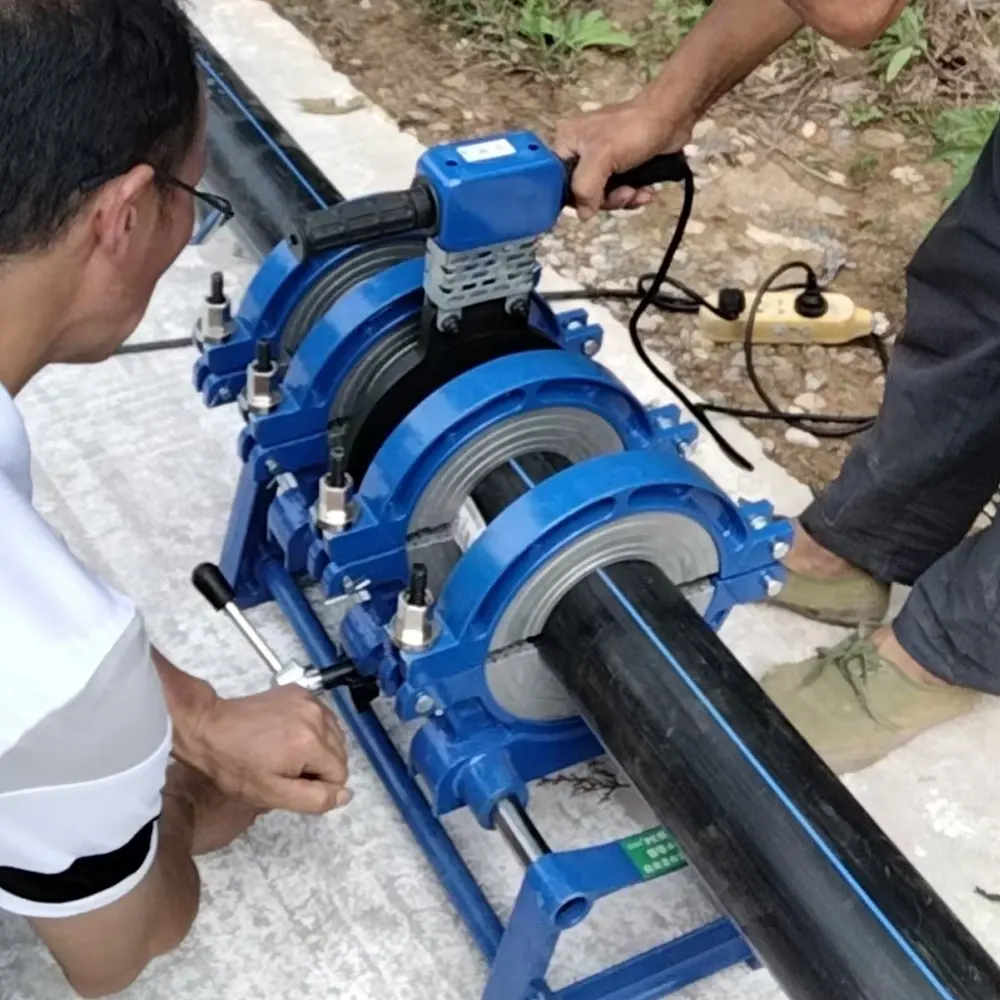
Butt fusion is the preferred method for joining HDPE pipes used in potable water distribution, irrigation channels, sewer systems, and industrial lines. In Uganda, where projects often operate in remote, dusty, or humid conditions, butt fusion offers long-lasting, leak-free joints that resist corrosion and soil chemistry. The technique is also economical for both small-diameter distribution networks and large-diameter conveyance systems linked to municipal or agricultural developments.
Key Benefits for Ugandan Contractors and Utilities
Reliable performance: consistent weld strength even under variable field conditions. Cost-effective operations: reduced joint failures and maintenance. Versatility: suitable for PE80/PE100 materials commonly used across Uganda’s water and gas sectors.
JQ-Fusion Product Range — Practical Options for Local Needs
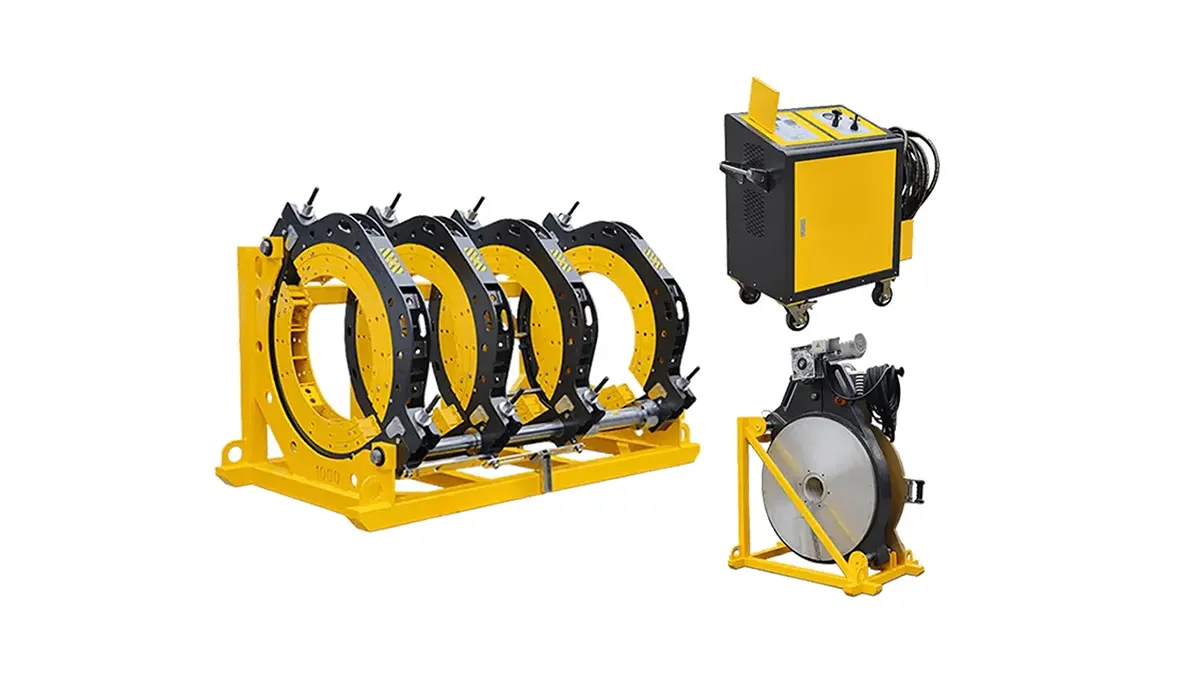
JQ-Fusion offers manual, hydraulic, and CNC automatic butt fusion machines to cover repairs, medium-scale pipeline builds, and large infrastructure contracts. Their machines are built for field use and shipped worldwide with spare parts and documentation to simplify commissioning.
| Type | Typical Pipe Range | Ideal Use in Uganda | Primary Advantage |
|---|---|---|---|
| Manual Butt Fusion | 20mm – 400mm | Rural installations, small contractors | Portable, low-cost |
| Hydraulic Butt Fusion | 160mm – 2000mm+ | Municipal networks, large pipelines | High force, stable welds |
| CNC Automatic Butt Fusion | 63mm – 1600mm (varies) | High-volume & precision-critical projects | Repeatable accuracy, digital control |
Selecting the Right Machine for Uganda
When specifying equipment for Ugandan projects, consider pipe diameter, site accessibility, power availability (local generators or grid), and the expected daily weld count. For remote districts, a compact manual unit and a reliable generator are often the most practical. For urban utilities or oil-related pipeline projects, hydraulic and automatic machines deliver productivity and consistency at scale.
Practical Tips for Field Use in Uganda
Protect heaters and control units from dust and heavy rain, use shaded work areas during peak sun, and keep welding surfaces clean. Train local operators on fusion parameters and equipment maintenance to maximize uptime. Regularly inspect heaters, cutters, and clamps for wear, and stock a small set of critical spare parts locally.
Logistics, Support, and After-Sales
Because Uganda is landlocked, logistical planning often routes equipment through Mombasa or Dar es Salaam ports. Plan clearance and inland transport time into project schedules. JQ-Fusion supports international shipments and provides manuals, recommended spares, and remote technical assistance to help contractors commission machines quickly.
Who Should Contact JQ-Fusion
Contractors, municipal utilities, irrigation developers, and oil & gas project managers in Uganda seeking reliable HDPE joining equipment can evaluate JQ-Fusion’s models. Visit https://jq-fusionwelding.com/ to review product specifications, request quotes, and discuss training or spare parts needs.
Final Note
Investing in the right butt fusion machine reduces downtime, improves pipeline longevity, and ensures safer, leak-free systems across Uganda’s water, agricultural, and industrial projects. Choose equipment that matches your workflow, and prioritize supplier support for long-term success.



