
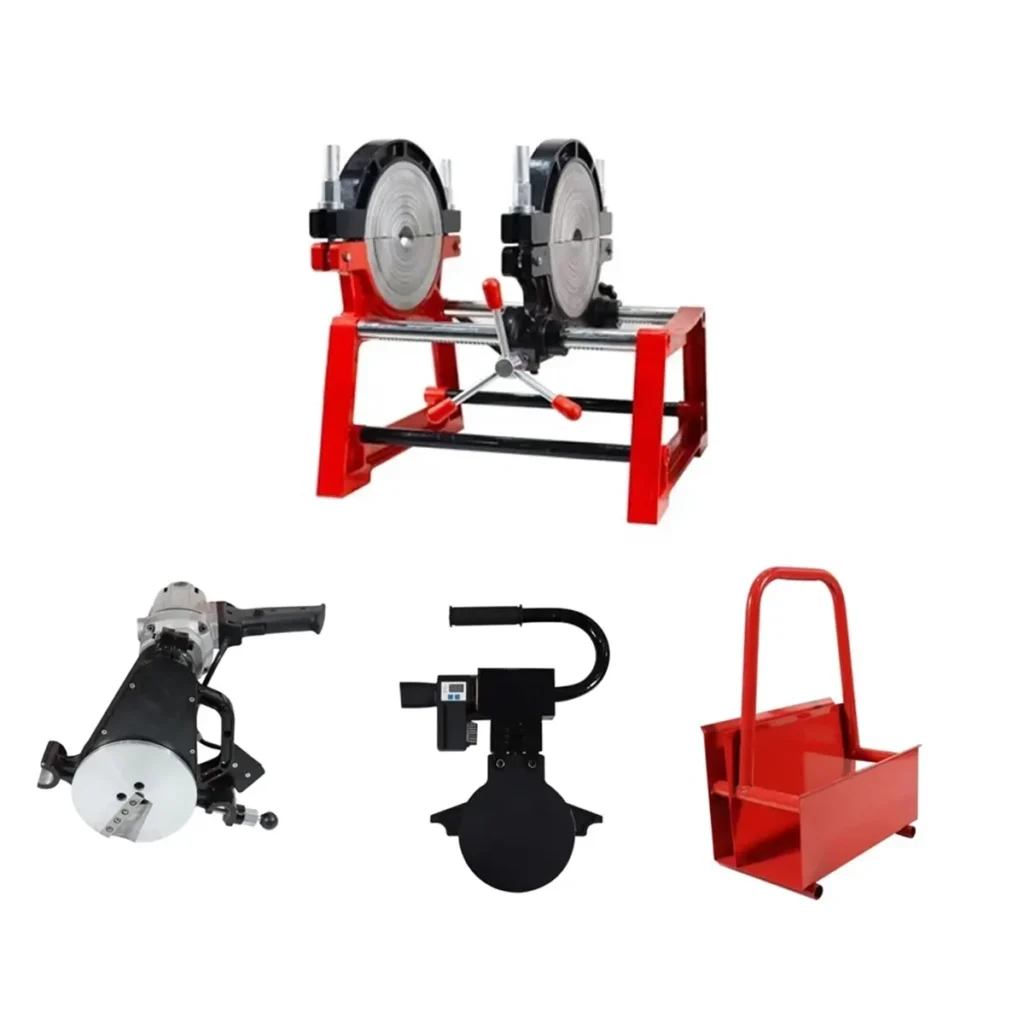
Choosing the right plastic pipe welding machine can make or break the efficiency and longevity of your pipeline project. Whether you’re installing municipal water lines, gas distribution, mining pipelines, or industrial HDPE systems, selecting the proper welding equipment ensures consistent joints, fewer reworks, and long-term reliability.
Understand Welding Methods: Butt Fusion vs. Electrofusion
Two common methods for thermoplastic pipes are butt fusion and electrofusion. Butt fusion is ideal for long straight runs and on-site joining of pipes, offering strong, homogeneous welds for large-diameter HDPE. Electrofusion works best for fittings, repair work, or when the joint configuration is complex. Match the method to your application: butt fusion for mainlines and electrofusion for fittings and repairs.
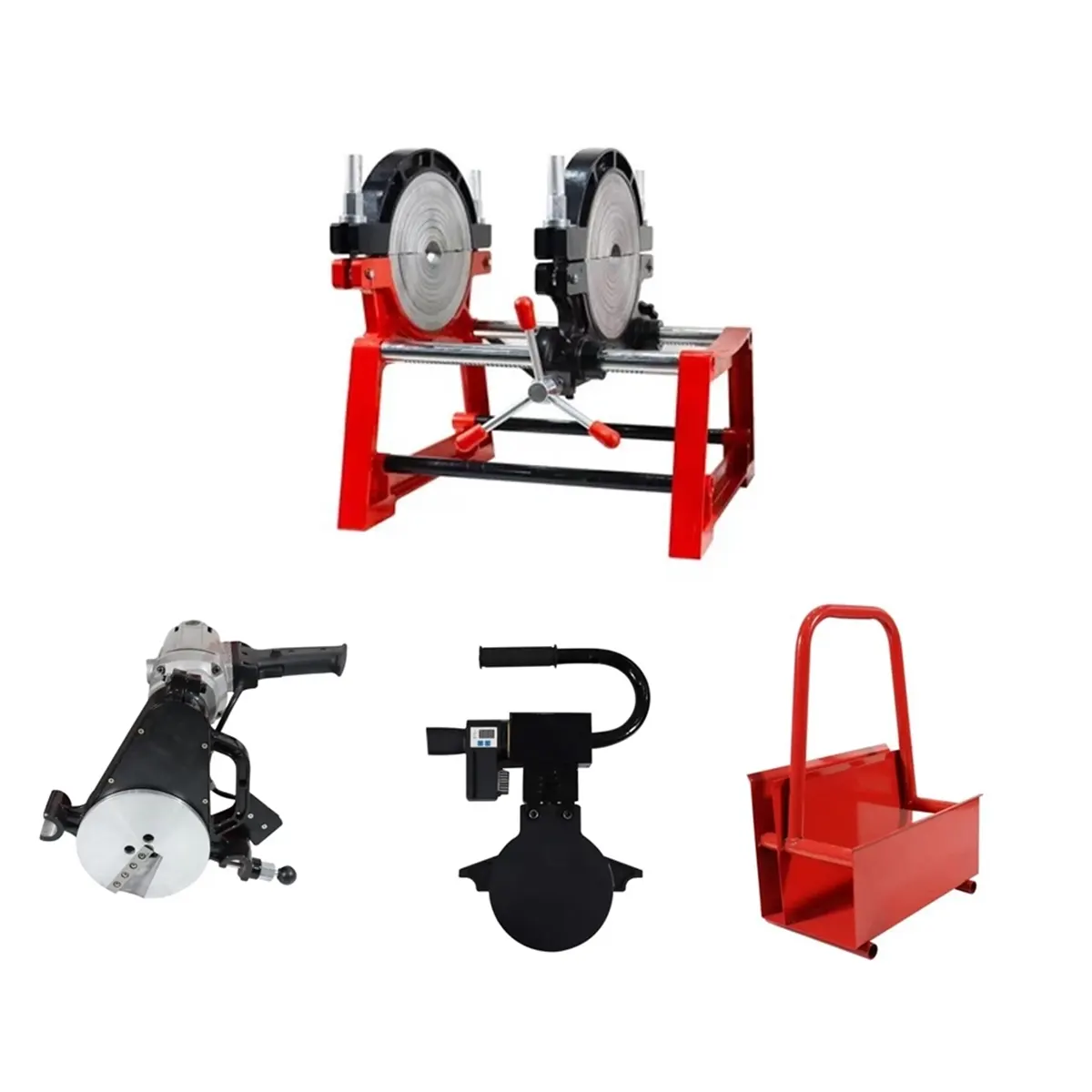
Key Selection Criteria
When comparing models, evaluate these practical factors:
- Pipe diameter range — Ensure the machine covers the smallest and largest pipes in your project.
- Automation level — Manual, hydraulic, or CNC automatic units affect speed, repeatability, and operator skill required.
- Field portability — For remote sites, compact and easy-to-transport frames are essential.
- Power source & environment — Consider electric, diesel, or battery options for off-grid jobs.
- Control & traceability — Built-in data logging or digital controls improve QA and regulatory compliance.
Match Machine Type to Project Size
Large municipal projects often demand high-capacity hydraulic or automatic butt fusion machines with precise pressure and temperature control. Smaller service connections and rural installs can use manual or semi-automatic machines for cost-efficiency and simplicity.
Performance vs. Budget
High-end automatic machines deliver repeatability and speed, reducing labor costs on long programs. However, for short-term or low-volume work, a well-built manual frame offers good weld quality at a lower initial investment.
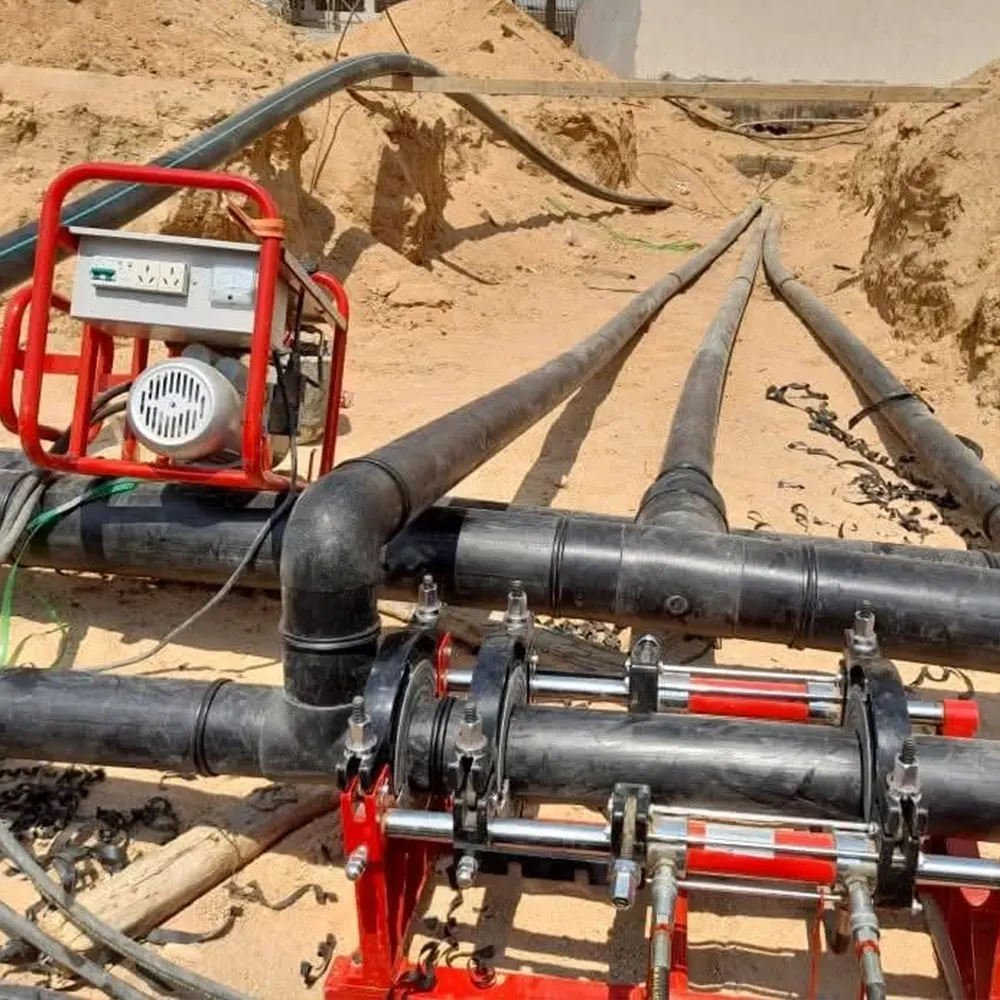
A Quick Comparison Table
| Machine Type | Typical Pipe Range | Best For |
|---|---|---|
| Manual Butt Fusion | 16mm – 250mm | Small jobs, service repairs |
| Hydraulic Butt Fusion | 160mm – 1200mm+ | Large-diameter mains, heavy-duty sites |
| Automatic/CNC Butt Fusion | 63mm – 1600mm | High-volume projects, precise traceability |
| Electrofusion Units | Fittings & special joints | Repairs, fittings, constrained spaces |
Technical Features to Verify
Before purchase, confirm:
- Heating plate quality and replaceability.
- Accurate temperature and fusion pressure controls.
- Real-world portability and ease of maintenance.
- Availability of spare parts and certified training for operators.
Quality & Certification
Look for equipment that complies with relevant standards (e.g., ISO or regional pipeline codes) and offers documented weld traceability. Machines with digital logs make audits and warranty claims much easier.
Operational Tips for Better Welds
To get optimal weld quality, maintain clean pipe ends, control ambient conditions where possible, and always follow the machine’s heating and pressure cycle. Operator training is one of the most cost-effective investments for reducing joint failures.
When to Contact a Manufacturer
If your project includes atypical pipe materials, very large diameters, or requires custom clamp systems, discuss options with a manufacturer. For reliable butt fusion solutions and a wide product range, consider contacting JQ-Fusion.
Final Checklist Before Purchase
Use this quick checklist to confirm your selection:
- Does the machine cover your full pipe diameter range?
- Is the automation level appropriate for project scale?
- Can the unit operate in your site conditions (power, weather)?
- Are spare parts, training, and service available locally or from the supplier?
Choosing the right plastic pipe welding machine means balancing performance, cost, and long-term support. Make a decision based on project scale, required weld quality, and total lifecycle cost to achieve reliable, durable pipeline joints.



