
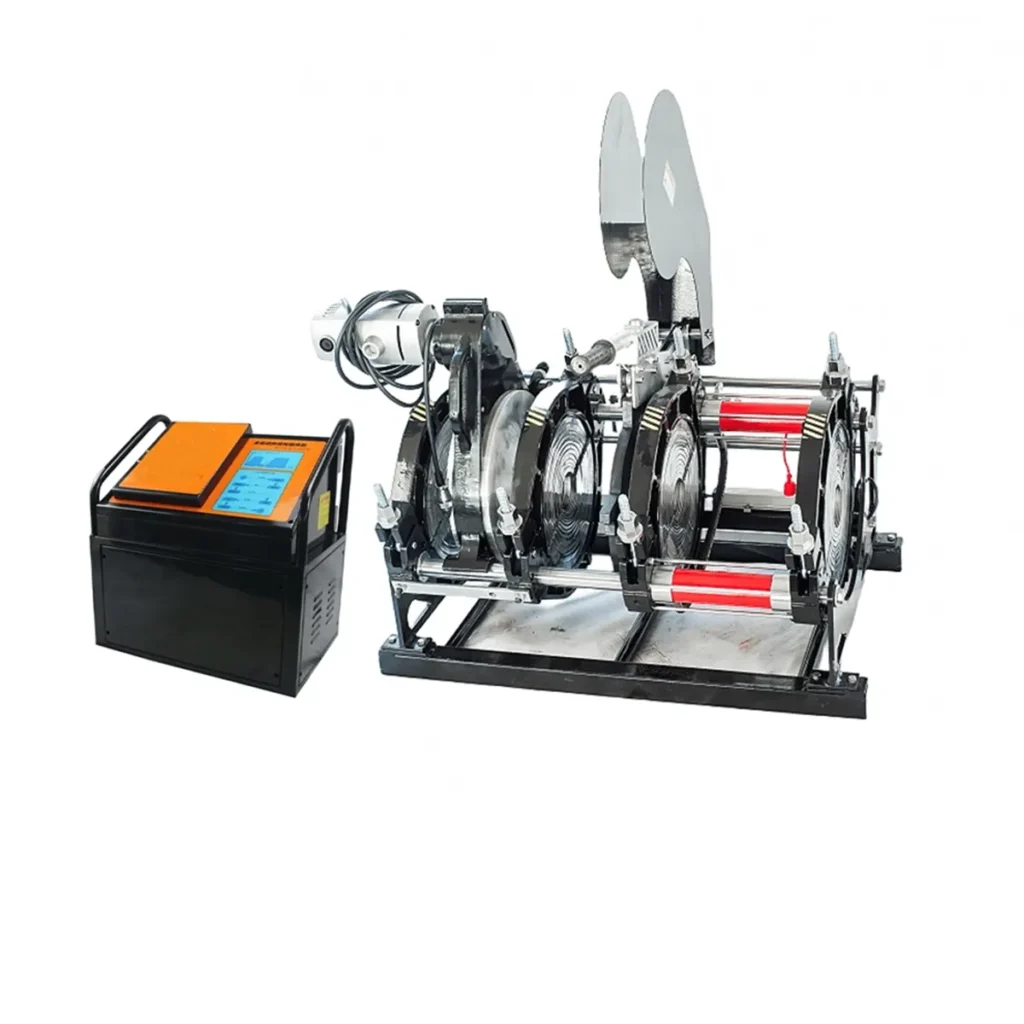
Automatic pipe welding machines (automatic butt fusion and CNC systems) are transforming HDPE pipeline installation across Colombia — from urban water distribution in Bogotá and Medellín to large irrigation projects in the Coffee Axis and oil & gas fieldworks along the Caribbean and Orinoquía regions. This guide explains what to look for, essential features, and practical applications to help Colombian contractors, utilities, and pipeline installers make smart buying decisions.
Why automatic pipe welding machines are growing in Colombia
Automatic systems increase welding repeatability, reduce human error, and accelerate large projects. In Colombia, expanding water networks, rural electrification lines, and gas distribution upgrades favor automated HDPE welding because machines deliver consistent joint strength even in remote job sites. Weather variability and limited skilled labor in some regions also make automated solutions attractive for contractors seeking predictable schedules and fewer reworks.
Key features to prioritize when buying
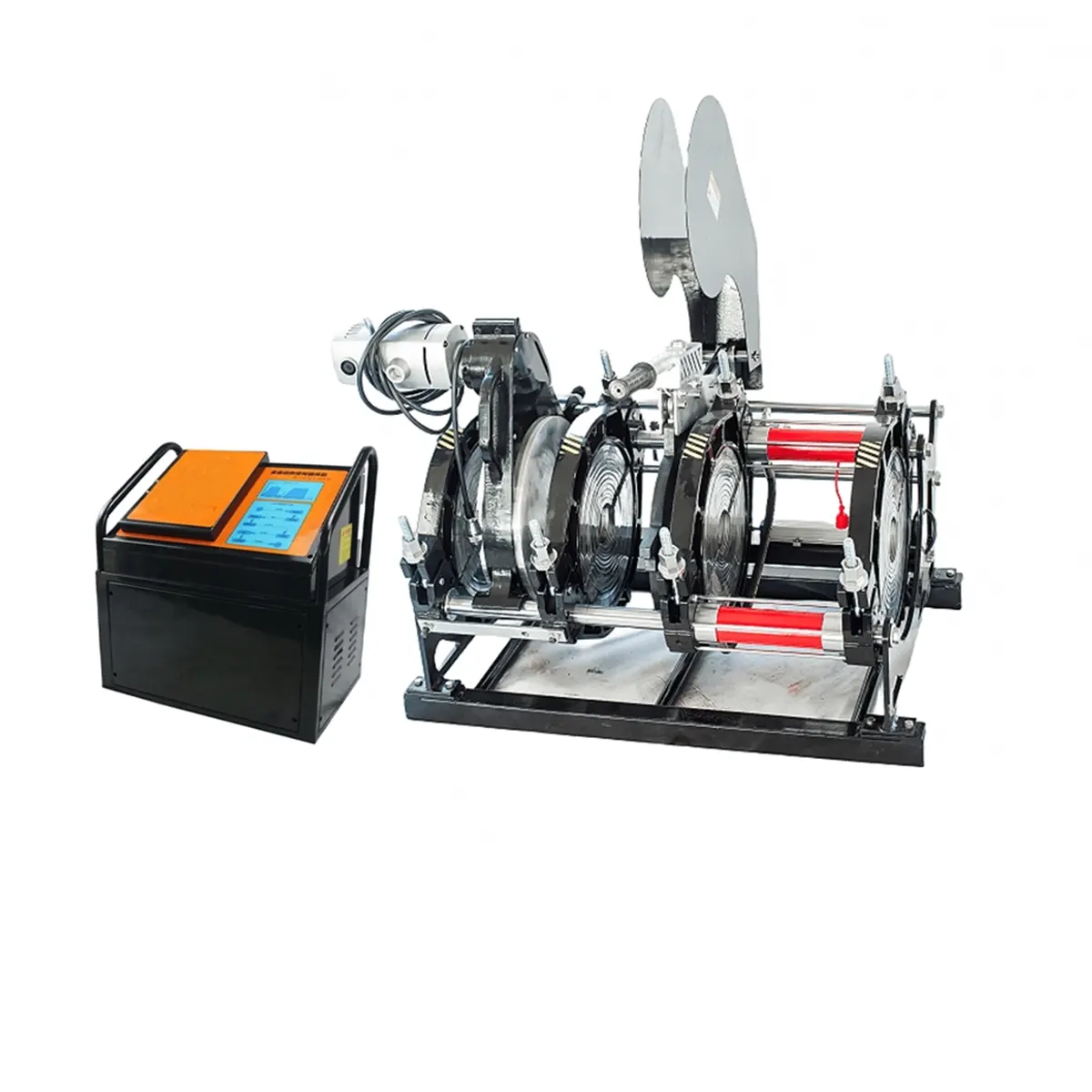
Look for machines that combine precision controls, robust clamping, and field durability. Important features:
• Control system: PLC or CNC with digital temperature and pressure readouts for traceable weld records.
• Pipe range: Compatibility with the diameters you install (small distribution pipes to large-diameter trunk lines).
• Power options: Electric, diesel generator compatibility, or battery-assisted modes for remote Colombian sites.
• Heating element: High-quality heating plates that ensure even fusion and fast ramp-up.
• Mobility and setup: Modular frames and quick clamp changes for work on slopes, rural roads, and urban trenches.
Quick comparison: Manual vs Hydraulic vs Automatic
Selecting the right automation level affects cost, training, and throughput. Use the table below to match machine type to project needs.
| Machine Type | Best for | Pros | Cons |
|---|---|---|---|
| Manual butt fusion | Small works, low budget | Low cost, portable | Operator-dependent quality |
| Hydraulic machines | Medium to large diameters | Stable clamping, good force control | Requires hydraulic maintenance |
| Automatic/CNC | High-volume and critical pipelines | High repeatability, weld logging | Higher upfront cost, training needed |
Applications in Colombia — who benefits most?
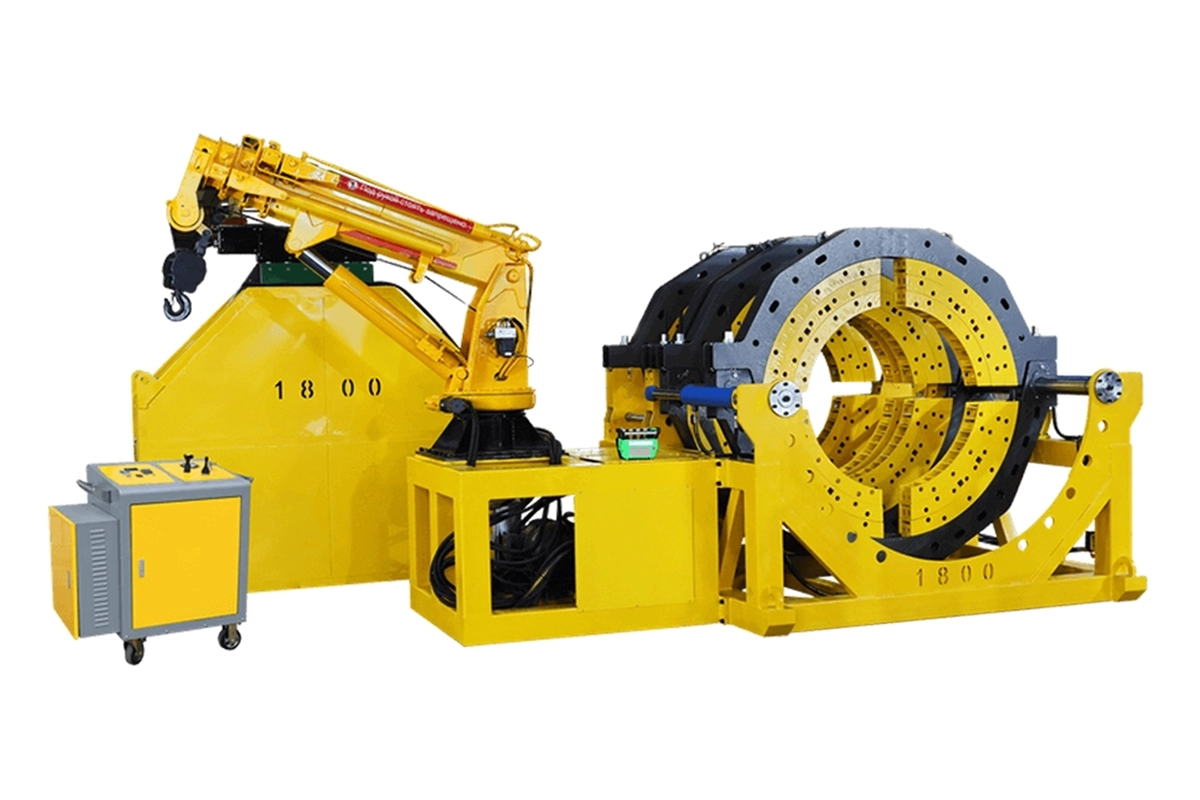
Automatic welding equipment is widely used by municipal utilities (water and wastewater networks), private contractors on housing and urbanization projects, irrigation system installers in agricultural valleys, and energy companies handling non-critical gas distribution. Mining sites in Boyacá and Antioquia also use HDPE trunk lines and benefit from heavy-duty hydraulic and automatic welders that handle large diameters.
Buying guide checklist for Colombian buyers
Before purchase, confirm:
• Required pipe diameter range and SDR compatibility.
• Certification and standards (ISO, DVS recommendations, or local acceptance) for pipeline safety.
• Warranty, spare parts availability, and authorized service in Colombia or nearby Latin American hubs.
• Operator training and documentation in Spanish to speed field adoption.
• Total cost of ownership: transport to remote sites, fuel/power needs, and projected weld throughput to estimate ROI.
Maintenance, training & field tips
Routine checks keep weld quality high: calibrate temperature sensors, test hydraulic seals, clean heating plates and inspect clamps. Provide at least one certified operator per crew and maintain a simple log of weld cycles and anomalies. For cold highland sites or humid coastal areas in Colombia, store electrical controls in dry containers and plan for battery or generator backups.
Final considerations
Choosing the right automatic pipe welding machine requires balancing budget, required throughput, and available field support. For reliable supply, customization options, and a portfolio of manual, hydraulic, and CNC automatic butt fusion welding machines, consider contacting JQ-Fusion: https://jq-fusionwelding.com/.



