
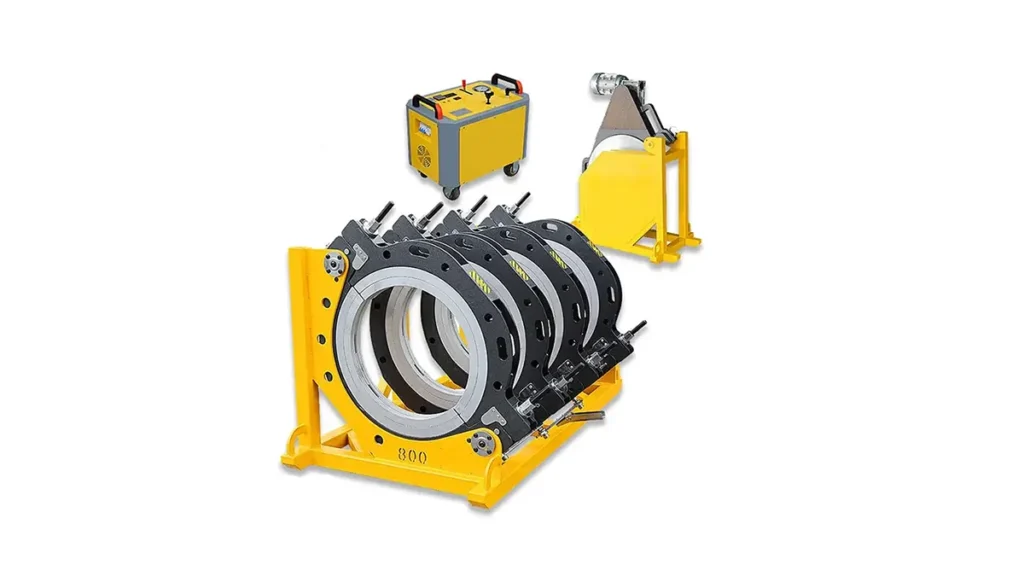
Electric fusion welding technology is transforming pipeline installation and maintenance across industries. From water and gas distribution to mining and industrial process lines, modern electric fusion welders deliver consistent, leak-free joints with improved productivity. This article outlines how a reliable electric fusion welder factory produces high-quality machines, the key features to look for, and practical guidance for selecting the right equipment for your pipe welding projects.
Factory-Grade Quality: What Sets Electric Fusion Welders Apart
Top-tier welding machines are built with precision engineering and industrial-grade components to ensure consistent heating, accurate alignment, and repeatable fusion cycles. Manufacturers focus on robust frames, precise control systems, and serviceable parts to minimize downtime on site. A quality electric fusion welder offers stable temperature control, reliable pressure application, and user-friendly controls for both experienced operators and newcomers.
Key Features to Evaluate
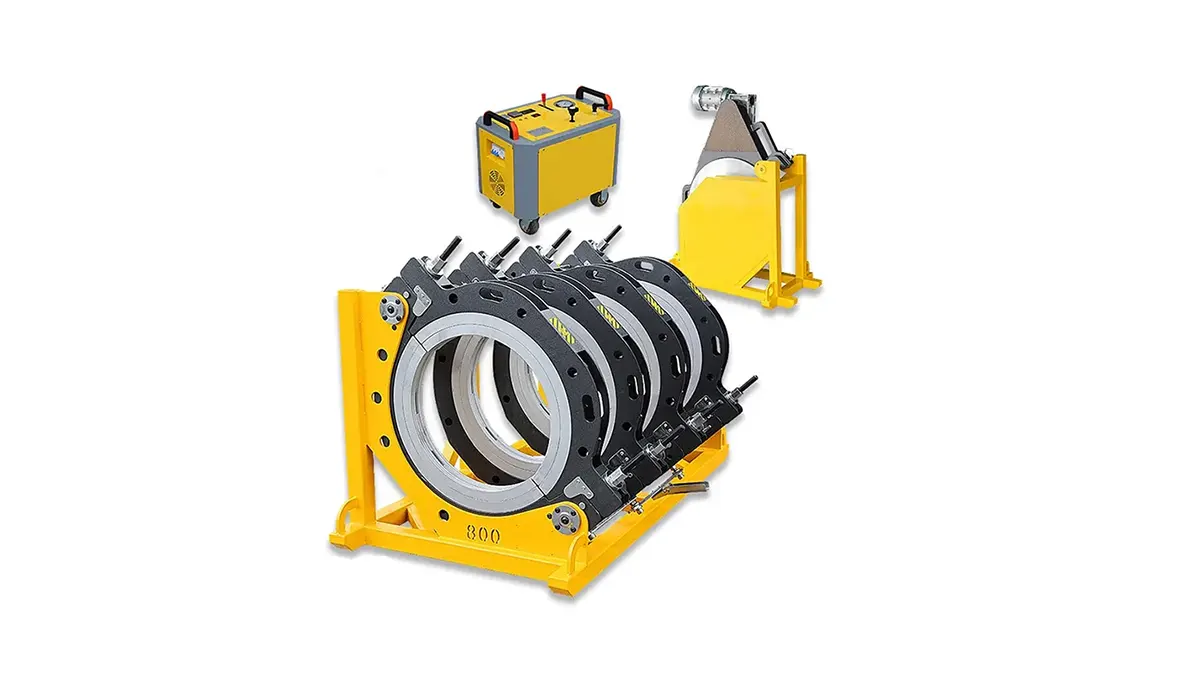
Heating accuracy: Look for systems with precise electronic control and uniform heating plates to avoid cold or overmelted joints. Clamping stability: Rigid clamps and alignment guides reduce axial misalignment. Digital controls: Programmable cycles, logging, and clear displays improve traceability and operator efficiency. For electrofusion, integrated power modules and intelligent fitting recognition speed up field work.
Performance and Application Match
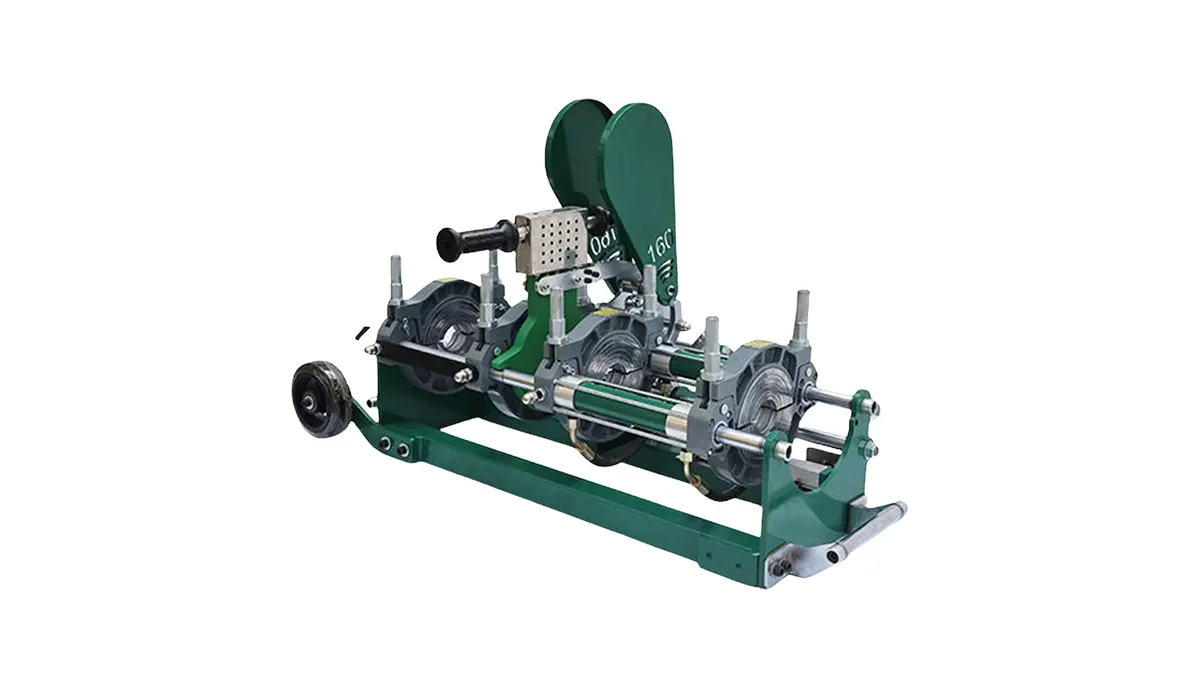
Different projects require different machines. Small-diameter distribution networks often benefit from compact manual or semi-automatic welders, while large-diameter trunk lines and industrial pipelines demand hydraulic or CNC automatic butt fusion machines with higher force capacity and automated sequences. Consider site conditions — remote sites may prefer portable electric units with battery or generator compatibility.
Model Comparison at a Glance
| Model | Type | Pipe Diameter Range | Key Benefit |
|---|---|---|---|
| Compact Electric | Manual/Semi-Auto | 20mm – 160mm | Portable for urban distribution |
| Hydraulic Series | Hydraulic Butt Fusion | 160mm – 2000mm+ | High force for large-diameter pipelines |
| CNC Automatic | Automatic Butt Fusion | 63mm – 1250mm | Repeatable, logged weld cycles |
| Electrofusion Units | Electrofusion | 20mm – 630mm | Fast, reliable jointing of fittings |
Quality Control, Testing, and Certifications
Reliable factories implement multi-stage quality control including component inspection, calibration of heating plates, pressure tests, and sample joint evaluation. Certifications and adherence to international welding standards ensure machines are suitable for municipal and industrial infrastructure. Look for manufacturers that provide clear QC reports and weld documentation capabilities for project audits.
Maintenance, Training, and After-Sales Support
Well-designed welders simplify routine maintenance: accessible heating plates, replaceable wear parts, and clear electrical layouts. Operator training and documented procedures reduce risk and increase first-pass yield. Choose suppliers who offer spare parts, remote support, and on-site commissioning to keep schedules on track.
Practical Selection Guide
Start by defining pipe material and diameter range, required joint traceability, expected daily weld count, and site conditions (power availability, terrain, weather). For high-volume or critical infrastructure, favor automatic systems with logging. For flexible, small-scale jobs, portable electric or electrofusion machines provide excellent value.
Reliable Manufacturer Example
JQ-Fusion manufactures a wide range of HDPE and electrofusion machines, from manual frames to hydraulic and CNC automatic butt fusion systems designed for global pipeline projects.
Final Notes
Choosing the right electric fusion welder starts with matching machine capabilities to project demands. Prioritize proven heating control, stable clamping, and strong after-sales support to ensure safe, durable, and cost-effective pipeline welding. Investing in factory-grade equipment pays off through fewer reworks, better uptime, and long-term reliability.



