
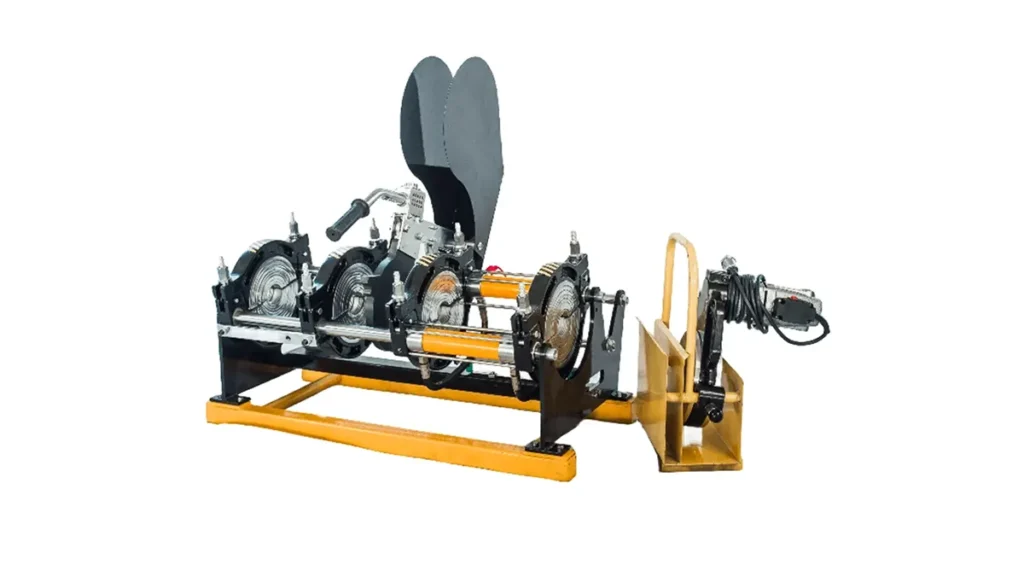
Russia’s infrastructure projects demand dependable tools for HDPE pipeline welding — from urban water networks in Moscow to remote gas lines across Siberia. Choosing the right butt fusion welder impacts joint quality, installation speed, and long-term pipeline performance under harsh climates.
Why Russian Contractors Choose Modern Butt Fusion Welders
Reliability in extreme temperatures — Many Russian projects operate in freezing conditions, seasonal thaw, or permafrost. Machines with robust hydraulic systems and corrosion-resistant components sustain consistent heating and pressure cycles for reliable joints.
Key Features to Look For
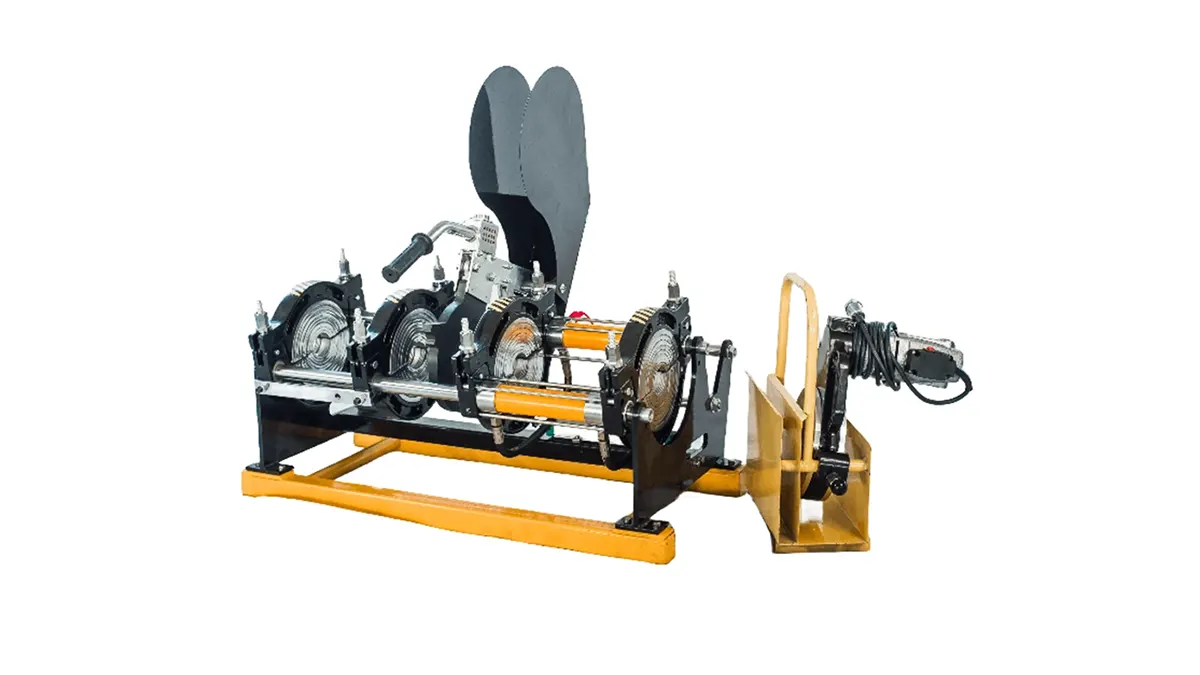
Portability: For remote pipeline construction, lightweight frames and easy transportability save time and logistics cost. Temperature control: Accurate heating plate thermostats ensure repeatable weld cycles even in sub-zero weather. Durability of clamps and sealing surfaces prevents rework on long runs.
Recommended Machine Types for Different Russian Projects
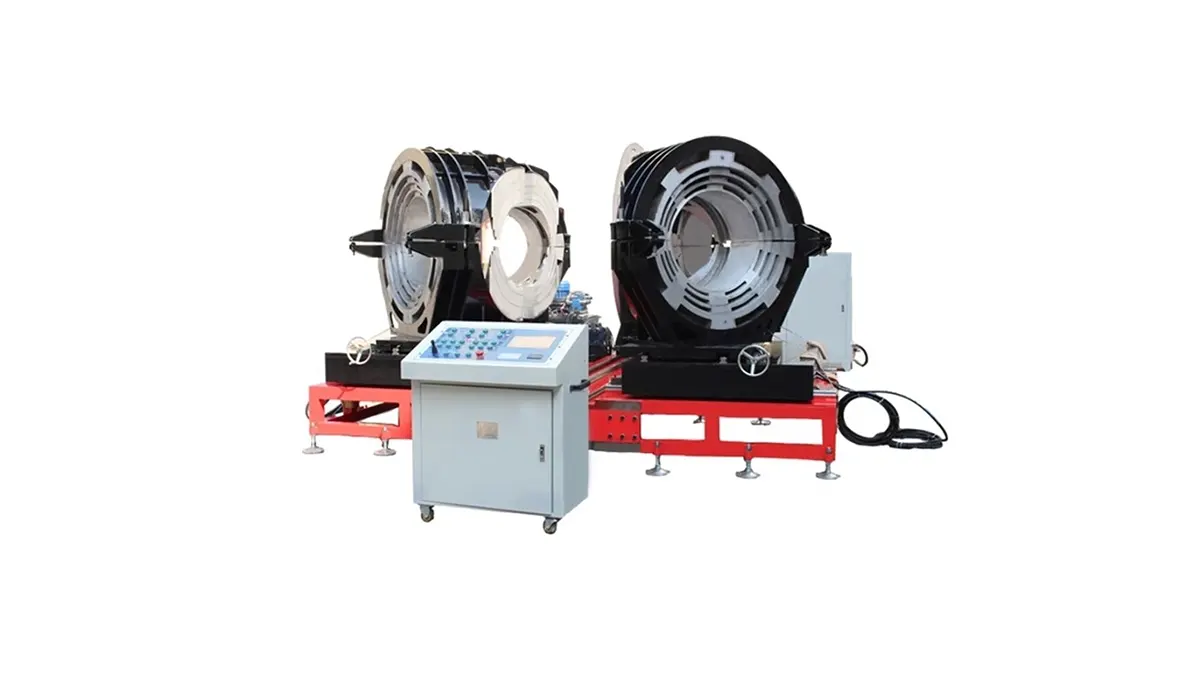
Manual welders suit small repairs and municipal maintenance crews. Hydraulic machines are ideal for medium-to-large diameter mains used in gas and industrial installations. For high-volume pipeline contractors, automatic/CNC butt fusion systems deliver consistent weld records and faster cycle times.
Compliance & Local Standards
When working in Russia, teams often reference local pipeline construction codes and material requirements. Machines that allow precise control of heating time, pressure, and cooling align with GOST and international practice for butt fusion documentation and joint traceability.
Quick Comparison Table — Typical Models
| Model | Pipe Range | Best Use |
|---|---|---|
| JQSY Manual Series | 20–160mm | Repairs & small-diameter mains |
| JQH Hydraulic Series | 160–2250mm | Municipal & industrial pipelines |
| JQA Automatic/CNC | 63–1600mm | Large projects, long runs, high throughput |
Practical Tips for Welding in Russia
Preheat and acclimatize the machine and heating plate before welding in sub-zero sites. Use insulated work tents for critical joints when possible. Maintain clean, dry pipe ends and use calibrated pressure gauges to ensure joint integrity. For remote sites, plan logistics for spare heating plates and sealing tools.
After-Sales, Training & Local Support
Operators in Russia benefit from hands-on training and access to spare parts. Choose suppliers who provide clear welding procedures, maintenance guides, and remote technical support, which accelerates commissioning and reduces downtime.
Where to Source Reliable Machines
For contractors seeking trusted equipment, manufacturers with a global footprint and experience delivering HDPE welding solutions for water, gas, mining, and industrial pipelines can streamline procurement and support. JQ-Fusion offers a comprehensive range of butt fusion machines, covering manual, hydraulic, and automatic systems to meet diverse Russian project needs.
Final Notes for Project Managers
Plan machine selection around pipe diameters, site conditions, and the expected weld volume. Investing in the right butt fusion welder improves installation speed, reduces rework, and enhances pipeline longevity — essential outcomes for Russia’s challenging construction environments.



