
Finding the best gas line welder in Denmark means balancing safety, local regulations, and the right fusion technology for HDPE gas pipes. Whether you are a municipal contractor in Copenhagen, a utility engineer in Aarhus, or a private pipeline installer serving Danish biogas projects, this guide helps you identify qualified welders, evaluate equipment, and make choices that meet Denmark’s high standards for pipeline integrity.
Understand Danish Requirements and Local Context
Denmark places strong emphasis on pipeline safety, environmental protection and traceability. Local gas networks increasingly integrate biomethane and renewable gas solutions, so welders must be comfortable working with PE100/HDPE materials, corrosion-free installations, and accurate pressure-rated joints. Look for professionals who know Danish municipal requirements and can provide full welding records and test documentation.
Key Skills and Qualifications to Look For
✓ Practical butt fusion experience: Proven track record welding HDPE gas mains and services.
✓ Electrofusion capability: Skilled in electrofusion fittings for service taps and tight spaces.
✓ Certification and training: Documented training from recognized fusion standards and experience with weld procedures, weld logs and test coupons.
✓ Safety-first mindset: Knowledge of gas safety protocols, leak detection, and pressure testing.
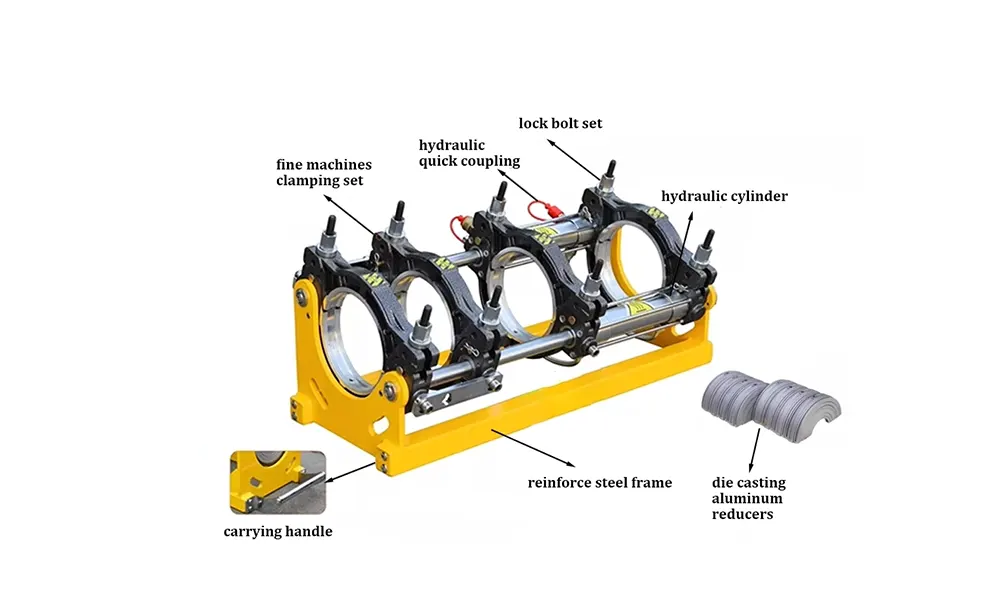
Tools, Machines and Why the Right Equipment Matters
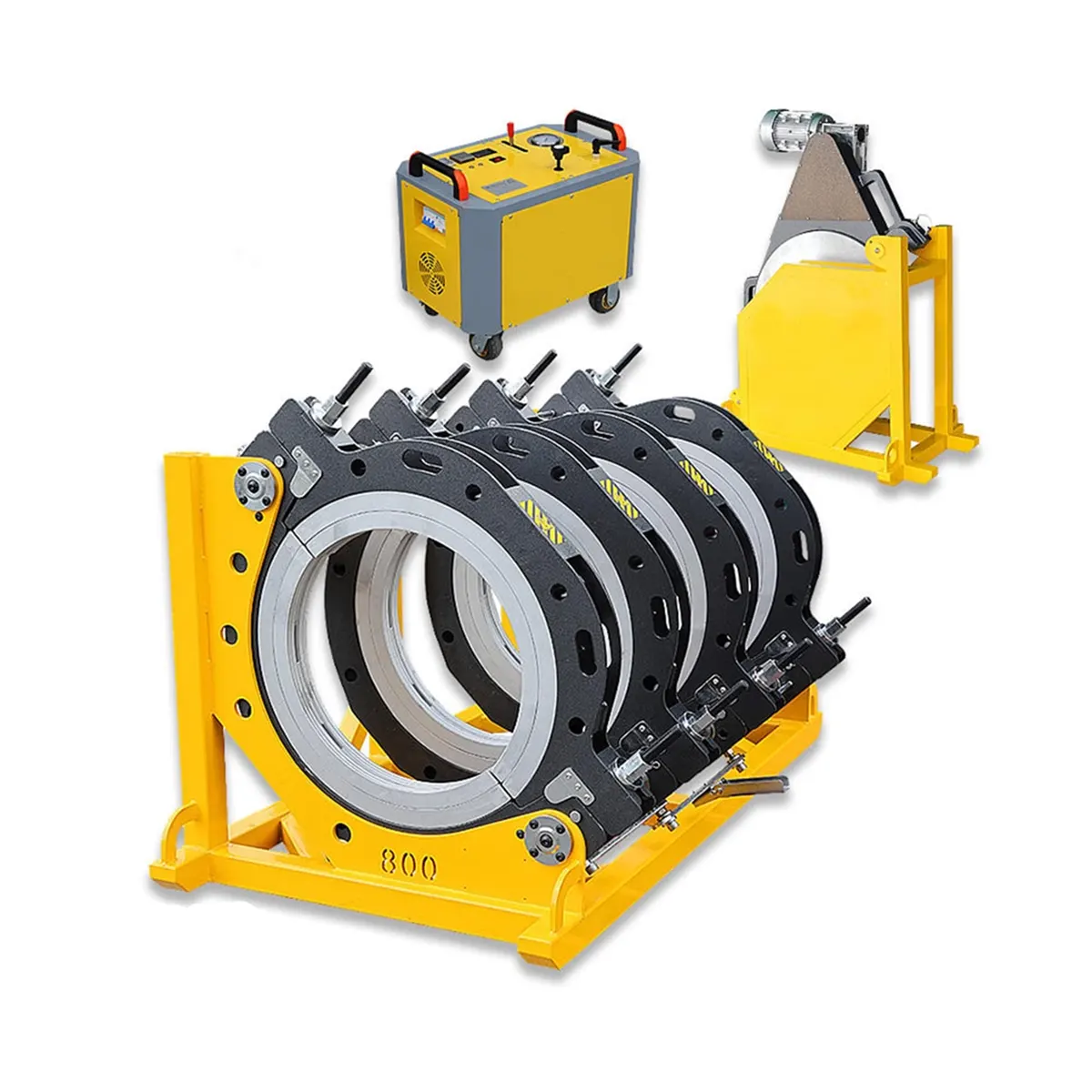
The welding machine defines repeatability. Manual units are cost-effective for smaller jobs, hydraulic machines provide consistent pressure for larger diameters, and CNC automatic systems deliver high precision for long runs. For HDPE gas pipelines, consistent heating, accurate alignment and controlled cooling are critical to produce lasting welds. If you are sourcing equipment or spare parts, check manufacturers that supply manual, hydraulic and automatic butt fusion machines and accessories; one example of a specialized manufacturer is JQ-Fusion.
Compare Fusion Methods
| Method | Best for | Pros |
|---|---|---|
| Butt Fusion | Mainlines, large diameters | Strong continuous joint; ideal for long-distance gas mains |
| Electrofusion | Service connections, tight spots | Quick, reliable for fittings; excellent for repairs and small work |
| Socket Fusion | Small-diameter, non-pressurized or low-pressure assemblies | Simple for fittings but not always suited for gas mains |
Certification, Traceability and Documentation
In Denmark, documented weld procedures and traceable weld logs are essential. Ask welders for:
✓ Operator certificates and training records;
✓ Procedure files and machine calibration records;
✓ Weld logs, pressure test reports and any non-destructive test records.
Questions to Ask When Vetting a Gas Line Welder
• What is your experience with PE100/HDPE gas mains in Denmark?
• Can you provide recent project references and weld logs?
• Which fusion machines do you use and are they calibrated?
• Do you handle pressure testing and final documentation?
Hiring Local vs International Welders
Local Danish welders often bring direct knowledge of national permitting, language and utility expectations—valuable for smaller projects and ongoing maintenance. For large infrastructure or specialized large-diameter butt fusion, international teams with specific large-machine experience can complement local teams, provided they comply with Danish safety and documentation requirements.
Quick Vetting Checklist
| Item | Pass/Fail |
|---|---|
| Operator certification | |
| Weld procedure & logs | |
| Machine calibration records | |
| References from Danish projects |
Use this guide to screen candidates, compare fusion methods, and insist on traceable records for every gas joint. For sourcing reliable fusion machines and spare parts, start with reputable suppliers and confirm that equipment matches your pipe diameter, workflow and documentation needs.



