
Reliable pipe joining is a foundation for safe water, gas and industrial pipeline networks across the Democratic Republic of the Congo (DR Congo). Butt fusion welding for HDPE pipes delivers leak-free, corrosion-resistant joints that stand up to the region’s demanding mining operations, expanding municipal water systems in Kinshasa and Lubumbashi, and remote rural electrification and irrigation projects.
Why Butt Fusion Welding is Essential in DR Congo
Butt fusion creates homogeneous, full-strength joints ideal for HDPE pipelines used in DR Congo’s infrastructure expansion. The method eliminates mechanical fittings that can corrode or fail in humid, tropical conditions and in areas with heavy ground movement near mining sites. For contractors and engineers working in the country’s varied terrain, butt fusion offers reliable performance and long-term cost savings.
Key Benefits for Local Projects
DR Congo project teams benefit from butt fusion technology because it provides:
- Durable, watertight joints for drinking water and wastewater networks
- Reduced maintenance in tropical climates and corrosive mine environments
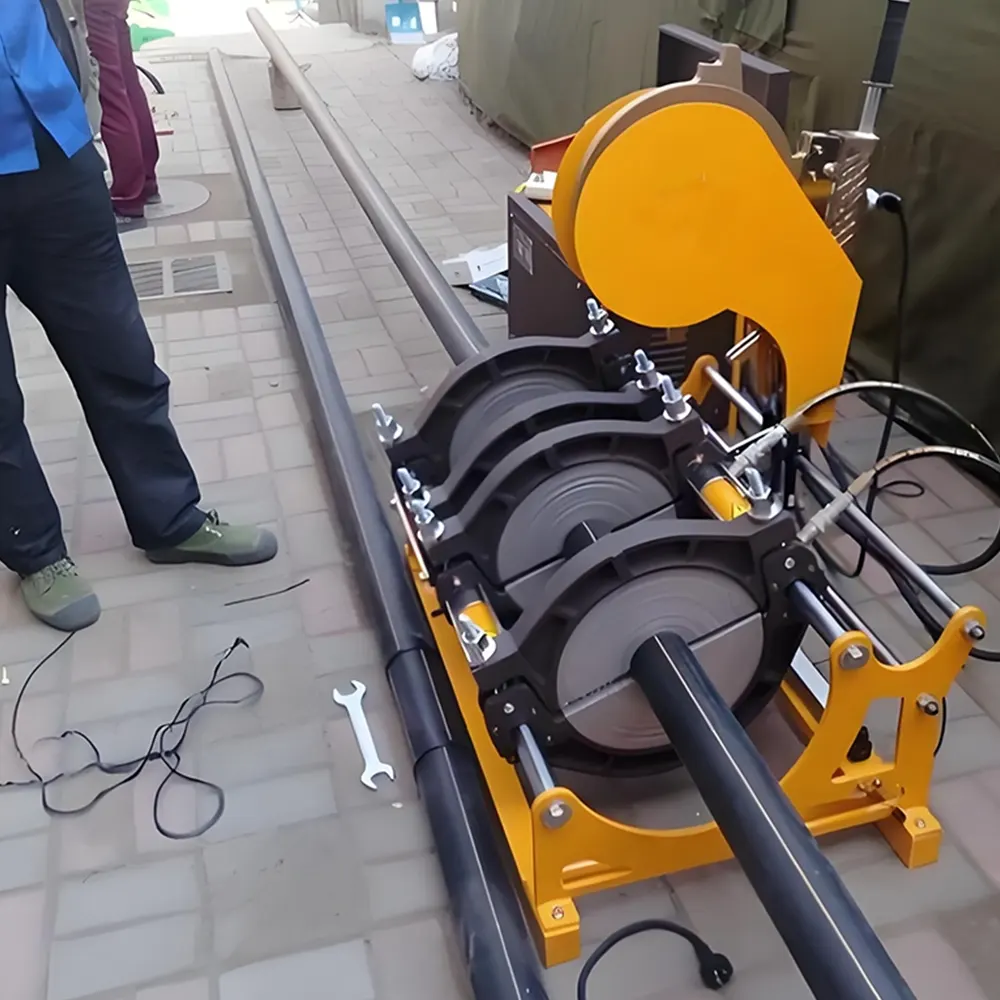
- Flexible solutions from portable manual welders for remote sites to automated units for factory or large-diameter pipelines
- Compatibility with a wide range of HDPE pipe sizes used in municipal, agricultural and industrial installations
Choosing the Right Butt Fusion Welder for DR Congo
When selecting equipment, consider site access, power availability, pipe diameters, and operator skill level. Common options include:
- Manual butt fusion machines — lightweight and transportable for rural or constrained sites.
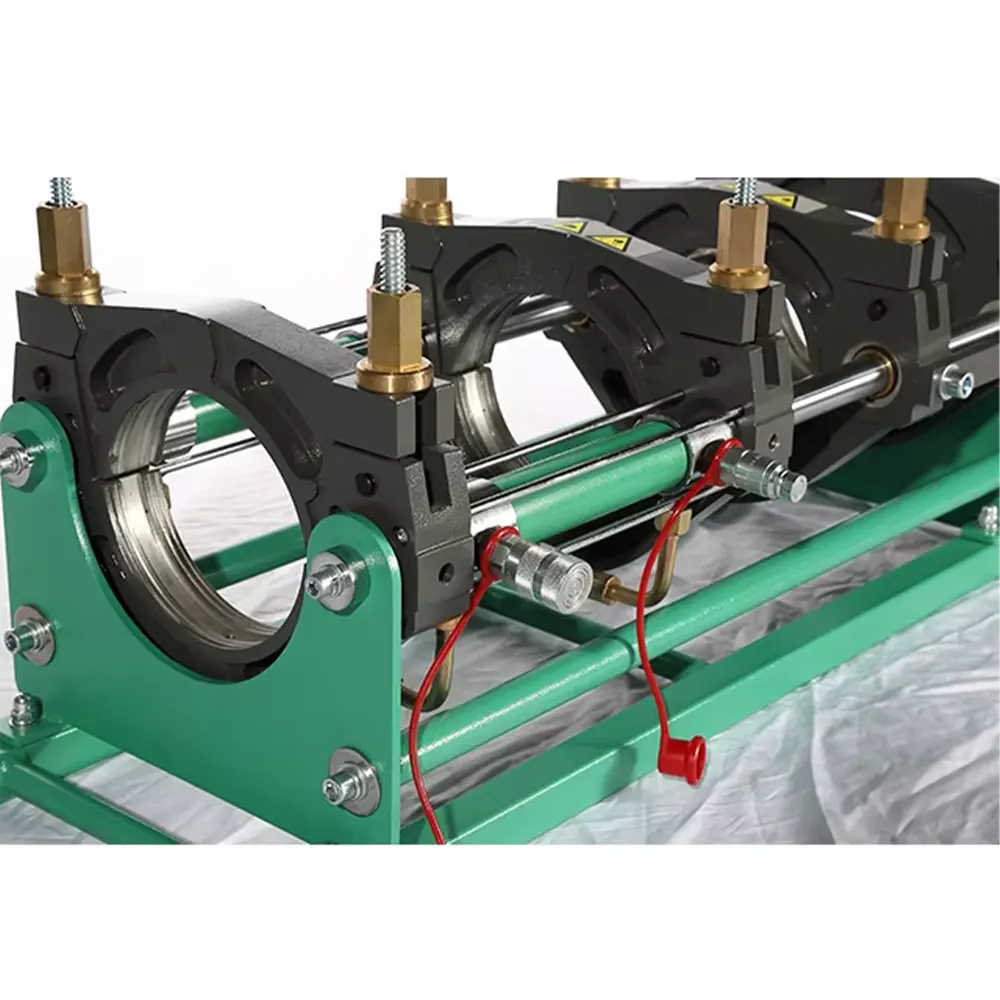
- Hydraulic units — for repeatable, controlled pressure and larger pipe diameters used in mining and major water mains.
- Automatic/CNC machines — ideal for high-volume production and critical infrastructure requiring consistent weld records.
Recommended Models and Typical Applications
Below is a quick comparison of representative machine types to help specification teams and procurement managers choose the best fit.
| Model | Pipe Range (mm) | Type | Ideal For | Key Feature |
|---|---|---|---|---|
| Manual Portable Unit | 20 – 630 | Manual | Remote field repairs, small contractors | Lightweight, easy transport |
| Hydraulic Field Machine | 63 – 1400 | Hydraulic | Large mains, mining pipelines | High clamping force, reliable pressure control |
| CNC Automatic Welder | 90 – 1600+ | Automatic | Production yards, critical infrastructure | Digital control, weld traceability |
Installation, Training and Field Considerations
Successful deployment in DR Congo depends on more than just machine specs. Consider:
- Power sources and fuel logistics for hydraulic power packs in remote mining camps.
- Transport planning for sites with limited road access — portable manual units often save time and cost.
- Operator training in French or Lingala to ensure correct welding procedures and joint inspection protocols.
- Availability of consumables and spare parts — keep critical components on-site or regional stock for fast repairs.
Maintenance Tips for Long-Term Reliability
Routine maintenance ensures consistent weld quality: clean heating plates before each weld, verify hydraulic oil and seals regularly, calibrate pressure gauges, and maintain a daylight-proof record of weld cycles for QA. On-site weld testing and nondestructive checks help avoid costly rework in sensitive water and gas systems.
Local Applications — From Kinshasa to Mining Regions
Municipal water authorities, contractors building irrigation networks, and mining companies in Katanga and Haut-Katanga can all benefit from fit-for-purpose butt fusion equipment. For small rural projects, portable manual units allow technicians to restore supply quickly. For large-scale mine water management and gas distribution, hydraulic and automatic machines deliver the capacity and repeatability required.
For reliable machines and tailored advice, visit JQ-Fusion for product details and support options.
Ready to specify a welder? Evaluate site conditions, pipe diameters and production volumes first. Choose a machine type that balances mobility, power and weld traceability — and ensure operator training and spare parts planning are in place to protect your investment.



