
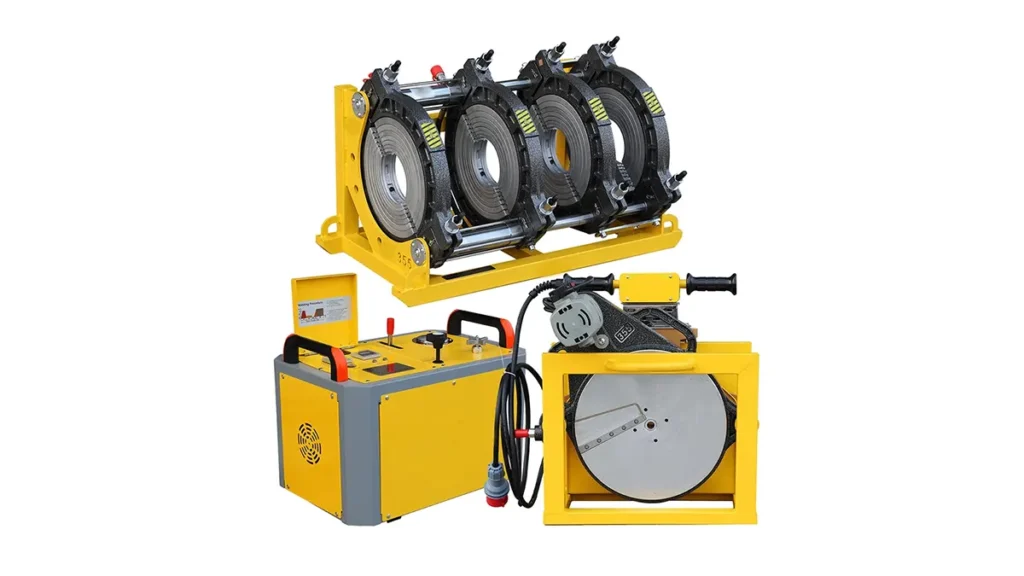
Looking for a reliable butt fusion machine wholesaler in Germany? This guide explains where to buy quality HDPE pipe welding equipment, what German contractors and municipal utilities prioritize, and how to choose the right supplier to ensure on-time projects and long-term support.
Why choose a local or EU-based wholesaler in Germany?
Germany’s infrastructure projects demand high-quality equipment, strict compliance with standards like CE and DVGW, and dependable after-sales service. Buying from a wholesaler with experience serving German water utilities, gas networks, and construction contractors reduces lead times, simplifies VAT and customs, and ensures technicians can access local spare parts quickly.
Key considerations for German buyers
Certification & compliance: Verify CE marking, material traceability, and, where applicable, DVGW recommendations. German municipal and industrial buyers frequently require documented quality evidence before procurement.
Service & training: Local language manuals, on-site commissioning, and training for weld crews are highly valued. A wholesaler that coordinates German-speaking technical support will shorten the learning curve and reduce rework.
Types of butt fusion machines to look for
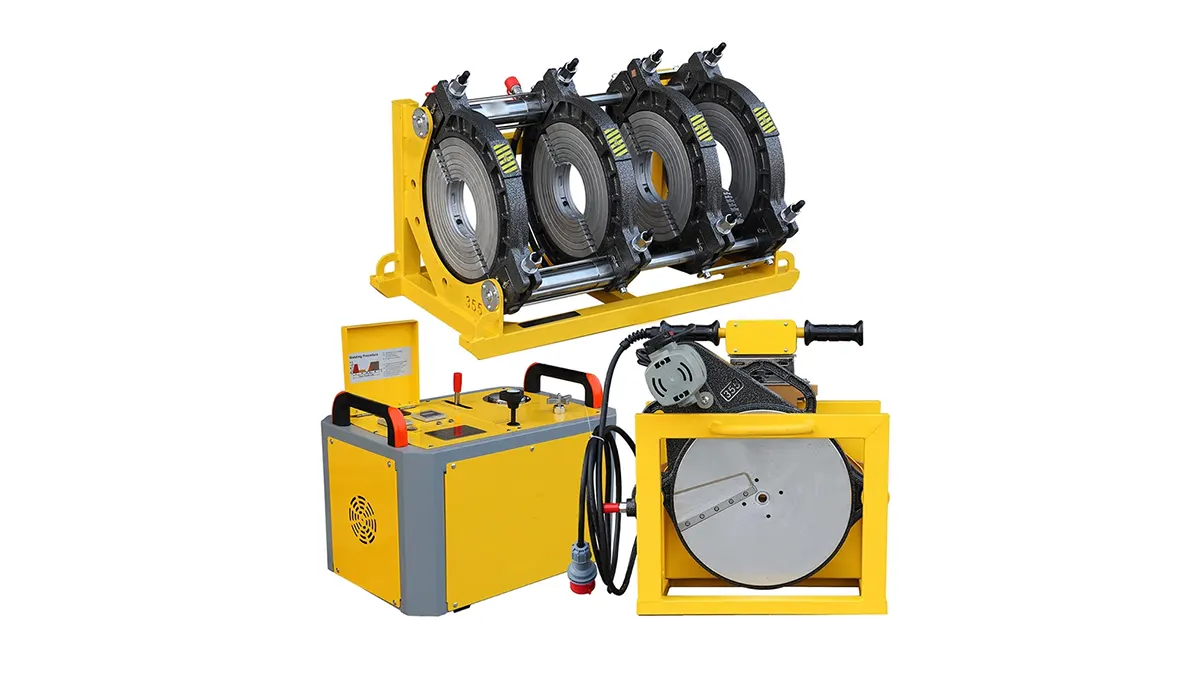
Choosing between manual, hydraulic, and automatic butt fusion machines depends on pipe diameter, job frequency, and precision requirements. Below is a quick comparison to help wholesalers and buyers in Germany narrow options based on project needs.
| Machine Type | Pipe Range | Best For | Advantages |
|---|---|---|---|
| Manual Butt Fusion | 20mm–400mm | Small jobs, rural installs | Low cost, portable |
| Hydraulic Butt Fusion | 63mm–2000mm+ | Municipal and industrial pipelines | High clamping force, consistent results |
| Automatic/CNC Butt Fusion | 160mm–2000mm+ | High-volume, precision-critical projects | Repeatable welds, digital control, traceability |
Where to buy in Germany: channels and tips
Consider these buying channels used by German contractors and distributors:
• Local equipment wholesalers who stock European-compliant models and provide on-site service.
• Authorized distributors that maintain spare parts inventory and certified technicians.
• Direct import from reputable manufacturers for custom or large-diameter machines—works well for EPC firms handling customs and certification.
Logistics, warranty and after-sales in Germany
German buyers should confirm lead times, warranty terms, and local service options. Ask wholesalers about replacement heating plates, clamp frames, and hydraulic parts availability. For critical municipal contracts, insist on documented commissioning and welding procedure qualifications.
Selecting the right wholesaler: a checklist
Verify: CE/DVGW documentation, spare parts stock in EU, German-language support, training availability, and clear warranty conditions.
Request: case studies from German projects, on-site demo options, and references from utility contractors or pipeline installers.
Connect with a manufacturer-distributor partner
If you prefer coordinated supply, service, and customization, consider working through an experienced manufacturer-distributor partnership—this approach helps German buyers access certified machines, spare parts, and technical training efficiently. For direct factory-level capability and a broad product range suitable for German infrastructure projects, contact JQ-Fusion: https://jq-fusionwelding.com/



