
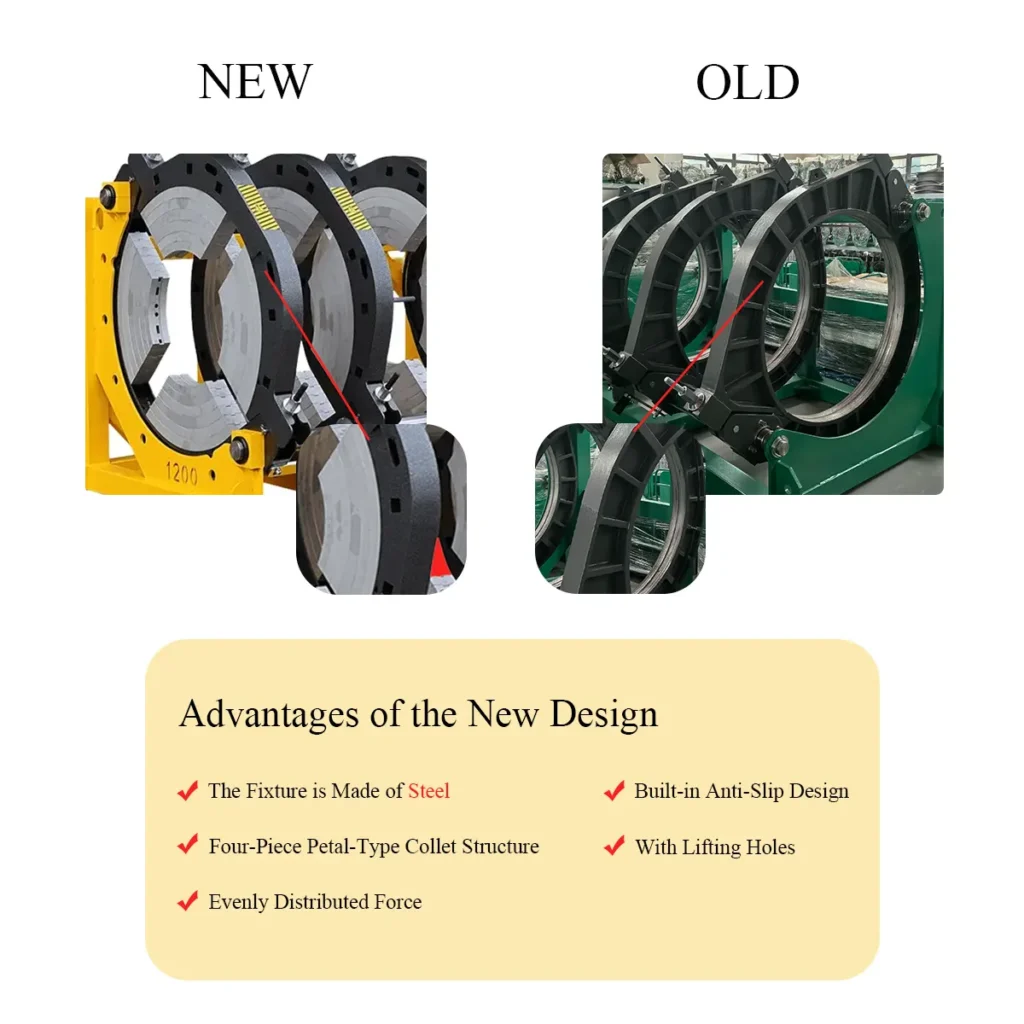
Choosing the right PE pipe fusion equipment is crucial for durable, leak-free joints and smooth project delivery. This guide helps contractors, utility installers, and procurement teams compare fusion machines, match technology to pipeline requirements, and prioritize features that deliver reliable connections on time and on budget.
Understand Your Application and Pipe Specifications
Start by defining the pipe material (HDPE or other PE variants), nominal diameter, SDR or wall thickness, and operating pressure. Surface conditions, trench constraints, and ambient temperature all influence equipment selection. For example, long-distance water mains or gas transmission lines often need robust hydraulic or automatic butt fusion machines with wide clamping ranges, while small-diameter service lines may be completed faster with manual or portable units.
Fusion Method: Butt Fusion vs. Electrofusion
Butt fusion creates homogeneous, high-strength joints by heating and joining pipe ends — ideal for large diameters and high-pressure systems. Electrofusion uses fittings with embedded heating elements for connections in tight spaces, repairs, or when joining dissimilar components. Choose based on pipe size, accessibility, required joint strength, and installation speed.
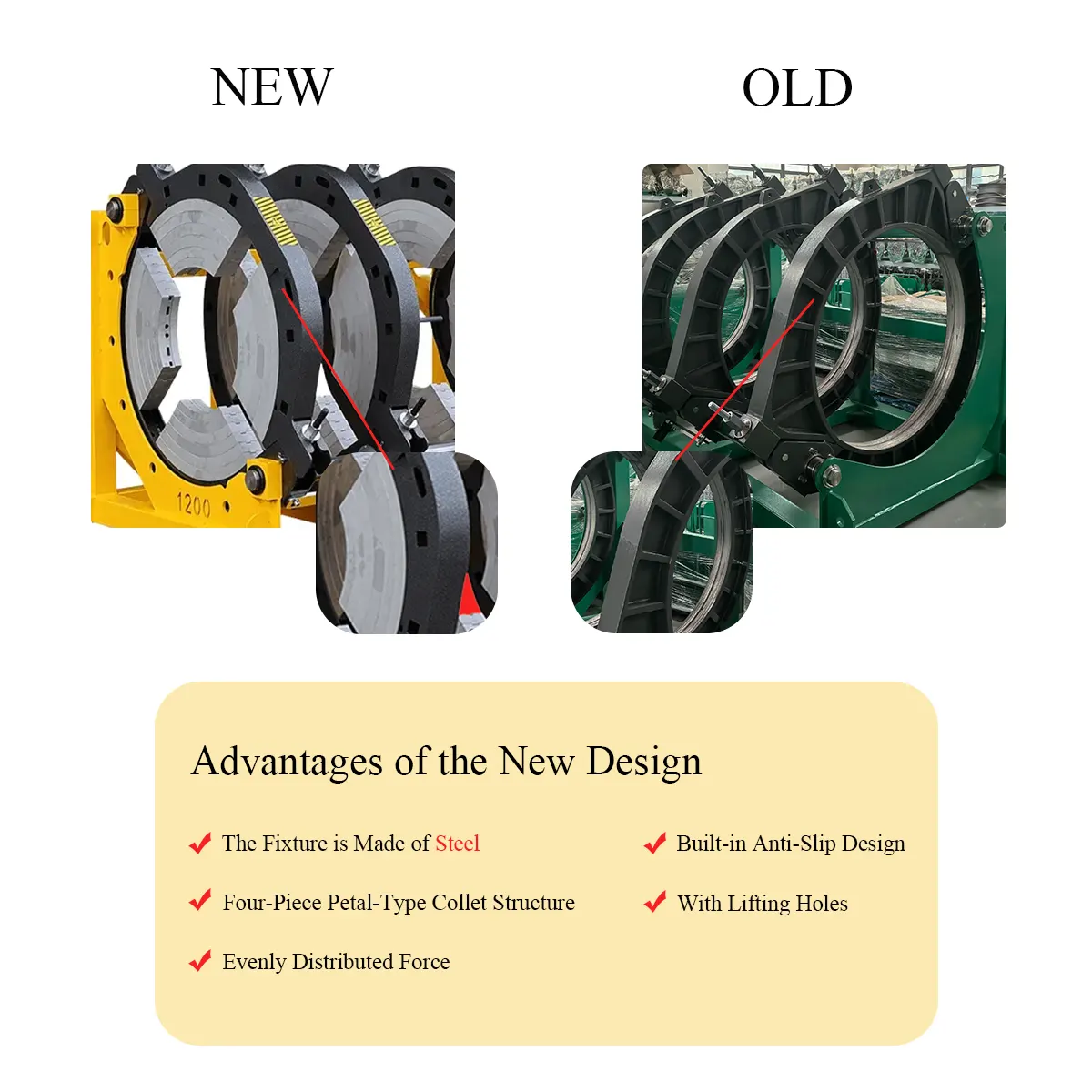
Equipment Types: Manual, Hydraulic, and Automatic
Manual machines are lightweight and cost-effective for small-diameter work and remote sites. Hydraulic machines add power and stability for medium to large pipes, improving alignment and pressure control. CNC or automatic units deliver repeatable cycles, data logging, and minimal operator variability — best for large projects, stringent QA/QC, and high throughput.
Key Technical Specs to Compare
| Specification | Why It Matters | Recommended |
|---|---|---|
| Clamping (diameter range) | Ensures pipes fit without adapters | Match project pipe sizes |
| Heating plate size & power | Affects heat-up time and uniformity | Stable temp control ±2°C for butt fusion |
| Maximum fusion pressure | Critical for thick-wall or large-diameter joins | Hydraulic units for >250mm diameters |
| Control & data logging | Traceability, recipe storage, QA reporting | CNC/automatic with USB or cloud export |
| Portability & weight | Ease of transport to remote sites | Manual for service lines; hydraulic for base camp |
| Power supply | Availability of mains or generator on site | Electric/hydraulic combos for flexible sites |
On-site Usability, Maintenance and Support
Operator training is essential — even the best machine can produce poor joints when misused. Evaluate supplier training programs, availability of spare parts, local service partners, and warranty terms. Look for machines with easy-to-replace wear parts (heating plates, clamps) and clear maintenance schedules to minimize downtime. Consider modular designs that simplify repairs and reduce long-term ownership costs.
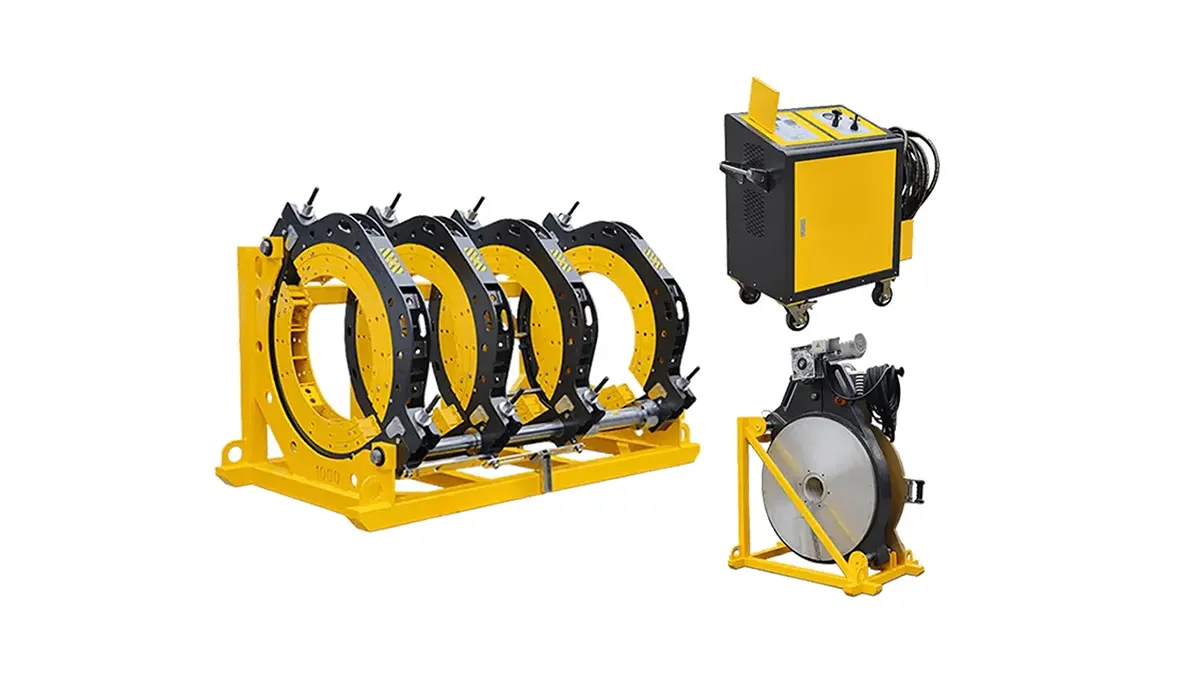
Compliance, Testing and Quality Control
Always verify that equipment and welding procedures meet recognized standards (for example, ASTM F2620, EN 12201, and relevant national codes). Machines with built-in process control and digital logging help demonstrate compliance and simplify auditing. Implement a site QA plan including visual inspection, peel/trim tests, and non-destructive testing where required.
Budget Considerations and Total Cost of Ownership
Balance upfront cost against productivity gains and lifecycle expenses. Automatic machines cost more initially but can improve cycle consistency, reduce rework, and speed up large projects. Manual units are economical for low-volume or repair work. Factor in training, spare parts inventory, consumables, and service response times when comparing quotes.
Quick Selection Checklist
-
Confirm pipe diameters, SDR, and operating pressure.
-
Choose fusion method: butt fusion for mainlines, electrofusion for fittings and repairs.
-
Match machine clamping range and fusion pressure to project needs.
-
Prefer machines with precise temp control and data logging for traceability.
-
Ensure supplier offers training, parts, and timely technical support.
For proven HDPE welding solutions and a wide range of butt fusion machines, consider a reputable manufacturer like JQ-Fusion and request datasheets, process validation records, and on-site demonstration options before purchase.



