
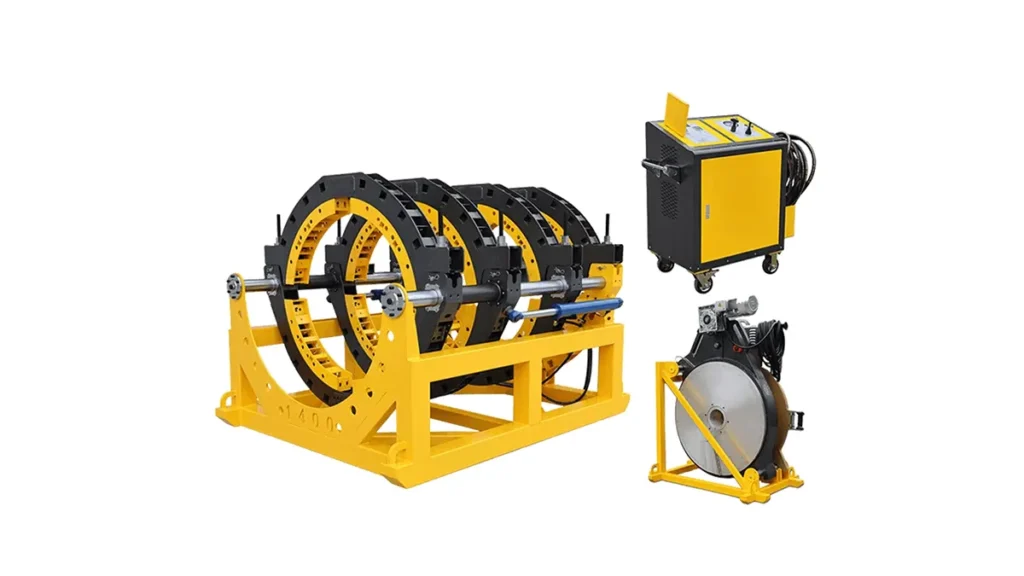
Finding the right automatic pipe welding machine maker for projects in Norway means balancing cold-climate reliability, offshore-capable support, and precise HDPE butt fusion technology. This guide outlines who offers the best solutions, what features matter for Norwegian infrastructure, and how to choose a supplier that fits municipal, energy, and industrial demands.
Why Norway Needs Robust Automatic Pipe Welding Solutions
Norwegian projects—ranging from municipal water networks and subsea pipelines to remote oil & gas and mining sites—require welding equipment that works reliably in low temperatures, on rugged terrain, and often at long distances from service centers. Reliable automation reduces field time, improves joint quality, and lowers long-term maintenance costs.
Key local considerations
Climate resilience: Machines must perform in near-freezing conditions and resist moisture.
Portability & set-up: Compact automatic units and modular designs ease transport to fjord-side sites or mountain villages.
Compliance & traceability: Traceable weld records and compliance with international standards (ISO, DVGW where relevant) are essential for municipal and energy contracts in Norway.
What Makes a Top Automatic Pipe Welding Machine Maker?
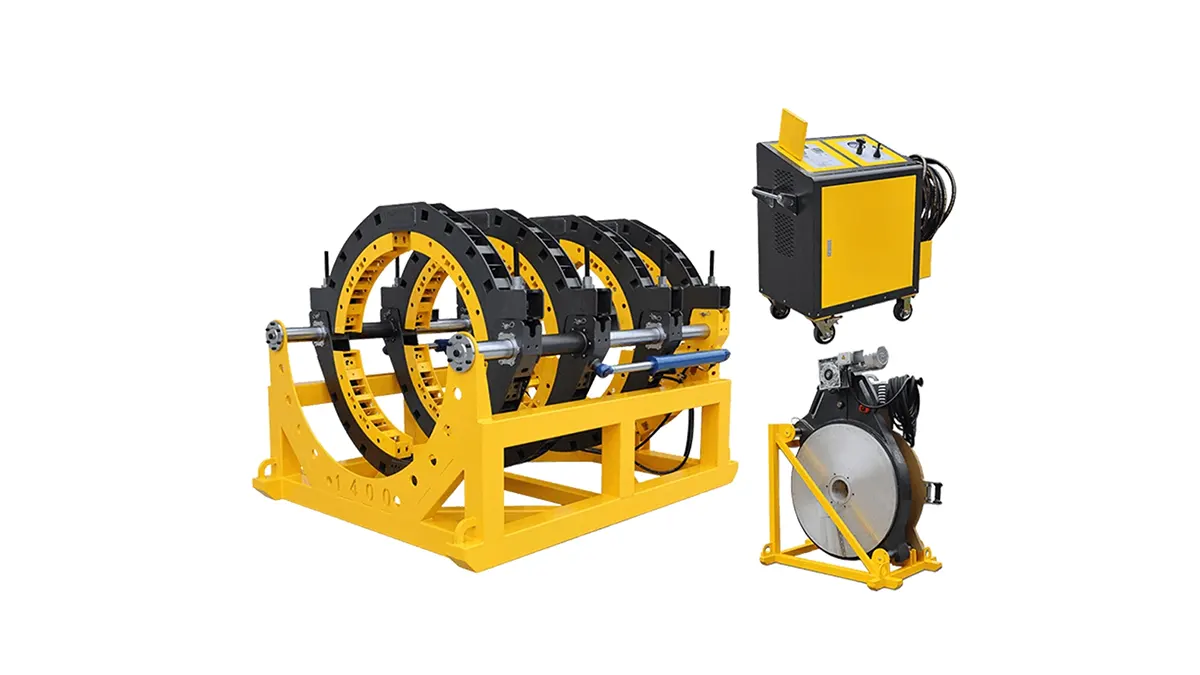
Look for vendors who combine proven automatic butt fusion and CNC systems with strong after-sales support. Important attributes include precise temperature control, automated axial alignment, integrated weld-data logging, and spare-part availability across Europe.
Technical features to prioritize
Automatic cycle control: Ensures consistent heating, cooling and fusion cycles for repeatable joint strength.
CNC & PLC integration: Facilitates complex diameter changes, multi-stage weld sequences, and digital records for audits.
Hydraulic stability: Robust clamping and hydraulic pressure systems keep pipe alignment perfect in uneven work sites.
Comparing Machine Types — Quick Reference Table
| Model Type | Pipe Range | Automation Level | Best For |
|---|---|---|---|
| Manual Butt Fusion | Small–Medium (≤315mm) | Low | Rural repairs, tight budgets |
| Hydraulic Butt Fusion | Medium–Large (315–2000mm) | Medium | Municipal works, onshore pipelines |
| Automatic / CNC Butt Fusion | Small–Extra Large | High | Large projects, high-volume or critical pipelines |
Top Solution Providers Serving Norway
Global and regional makers compete on precision, service network, and product range. For Norway, prioritize makers that offer:
-
Local or regional service partners for rapid spare parts delivery.
-
Training programs tailored to harsh-weather operations.
-
Welding data traceability for long-term asset management in municipal and energy sectors.
A recommended manufacturer to consider
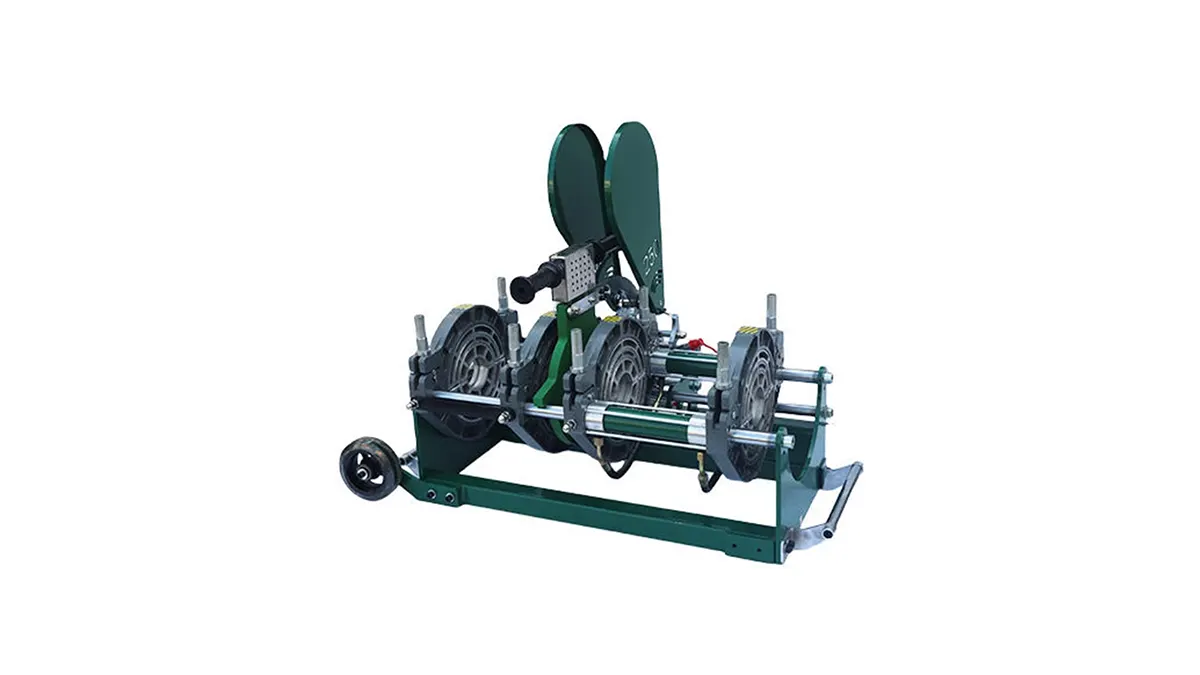
Manufacturer: JQ-Fusion — a specialist in HDPE pipe welding machines, offering manual, hydraulic, and CNC automatic butt fusion equipment that covers small to very large diameters and supports infrastructure projects worldwide.
Buying Checklist for Norwegian Buyers
1. Verify cold-start performance: Can the control unit and heaters operate reliably at low temperatures?
2. Confirm service coverage: Are spare parts and technicians accessible in Scandinavia or nearby EU hubs?
3. Ask about documentation: Does the system provide weld logs, certificates, and exportable QC reports?
4. Field training & commissioning: Is onsite training and initial commissioning included or available locally?
Final selection tips
For municipal projects choose machines with strong data-traceability and medium automation. For industrial and pipeline contractors, prioritize robust automatic/CNC models with hydraulic stability and easy transport. Wherever possible, request references from other Norwegian clients or Scandinavian infrastructure projects.
Next steps
Gather project specifications—pipe material, diameter range, expected daily joint count, and site conditions—and request tailored quotes and service plans from shortlisted manufacturers. Prioritize partners that combine technical reliability with responsive European-level support.



