
Choosing the right butt fusion machine manufacturer in Estonia requires a practical mix of technical know-how, local logistics insight, and awareness of EU compliance. Contractors, municipal utilities, and pipeline installers across Estonia—from Tallinn’s port projects to rural water networks in Võru—need durable HDPE welding equipment that performs reliably in cold weather and meets European standards.
Understand the local context: Estonia’s needs and challenges
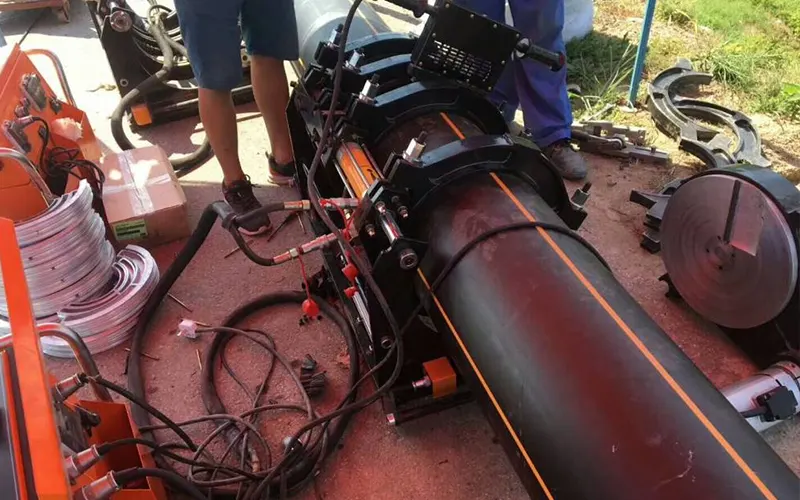
Estonia’s climate, seasonality, and infrastructure priorities influence the type of butt fusion machines that perform best. Low temperatures and long winters mean machines must be robust, with hydraulic systems and heaters that recover quickly after cold starts. Urban projects around Tallinn and Tartu emphasize speed and traceability for water and gas works, while rural projects demand portability and low-maintenance machines.
Key supplier qualities to evaluate
Certifications and standards: Look for CE marking, ISO quality systems, and compliance with relevant EU/EN standards for HDPE pipeline welding. Suppliers should provide welding procedure documentation and traceable test reports.
Product range: A supplier should offer manual, hydraulic, and CNC/automatic butt fusion machines to cover small-diameter service lines through to large-diameter trunk pipelines. Check available pipe diameter ranges and accessory options like facing tools and trimmers.
After-sales support: Prioritize vendors that provide spare parts, on-site training, and fast technical response. In Estonia, response times can be longer if parts ship from overseas—confirm local stocking options or regional distributors.
Field references: Request case studies or references from similar projects in Northern Europe or the Baltics. Proven performance in similar climates and soils is an excellent predictor of success.
Technical checklist before you buy
Confirm these items in writing: operating temperature range, hydraulic pressure capacity, heater plate temperature control accuracy, data logging capabilities for quality control, availability of calibration certificates, and compatibility with local power supplies or generators.
Quick comparison — machine types at a glance
| Machine Type | Best For | Key Advantages | Typical Pipe Range |
|---|---|---|---|
| Manual Butt Fusion | Small crews, service repairs | Low cost, portable | 20mm–315mm |
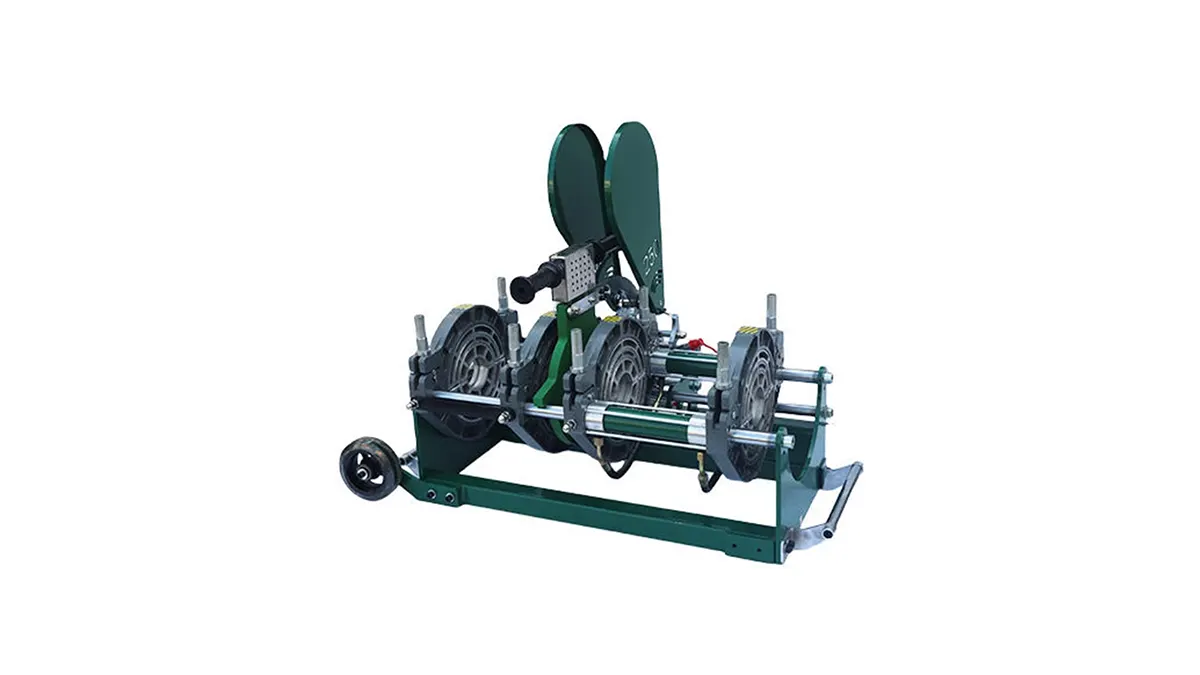
| Hydraulic Butt Fusion | Contractors, medium projects | Higher force, stable fusion in cold | 75mm–1200mm+ |
| CNC / Automatic Machines | Large pipelines, high-volume works | Precision, data logging, faster cycle times | 160mm–2250mm+ |
Logistics, lead times and warranty considerations in Estonia
Shipping to Estonia often routes through Tallinn or Muuga ports. Confirm lead times (production, testing, and shipping) and packaging to withstand cold handling. Ask about warranty coverage in the EU, spare parts lead time, and whether training or commissioning is included. A clear warranty and local parts availability reduce downtime on critical projects.
Evaluating total cost of ownership
Price is important, but evaluate lifecycle costs: consumables, spare parts, energy consumption, operator training, and potential downtime. A higher upfront cost for a reliable hydraulic or CNC model can pay off through fewer reworks and stronger joints—especially for municipal and gas distribution projects in Estonia that require durable, leak-free connections.
Final checklist before making contact
Ensure the supplier provides: written technical specs, compliance certificates, a list of included accessories, spare parts list, training plan, warranty terms, and at least two Northern European references. If possible, request a factory acceptance test report or video and confirm on-site support options.
If you need a dependable partner, consider suppliers with a broad HDPE welding portfolio and strong export experience. JQ-Fusion offers manual, hydraulic, and CNC automatic butt fusion machines with global service support and documentation suitable for Estonia’s infrastructure needs.



