
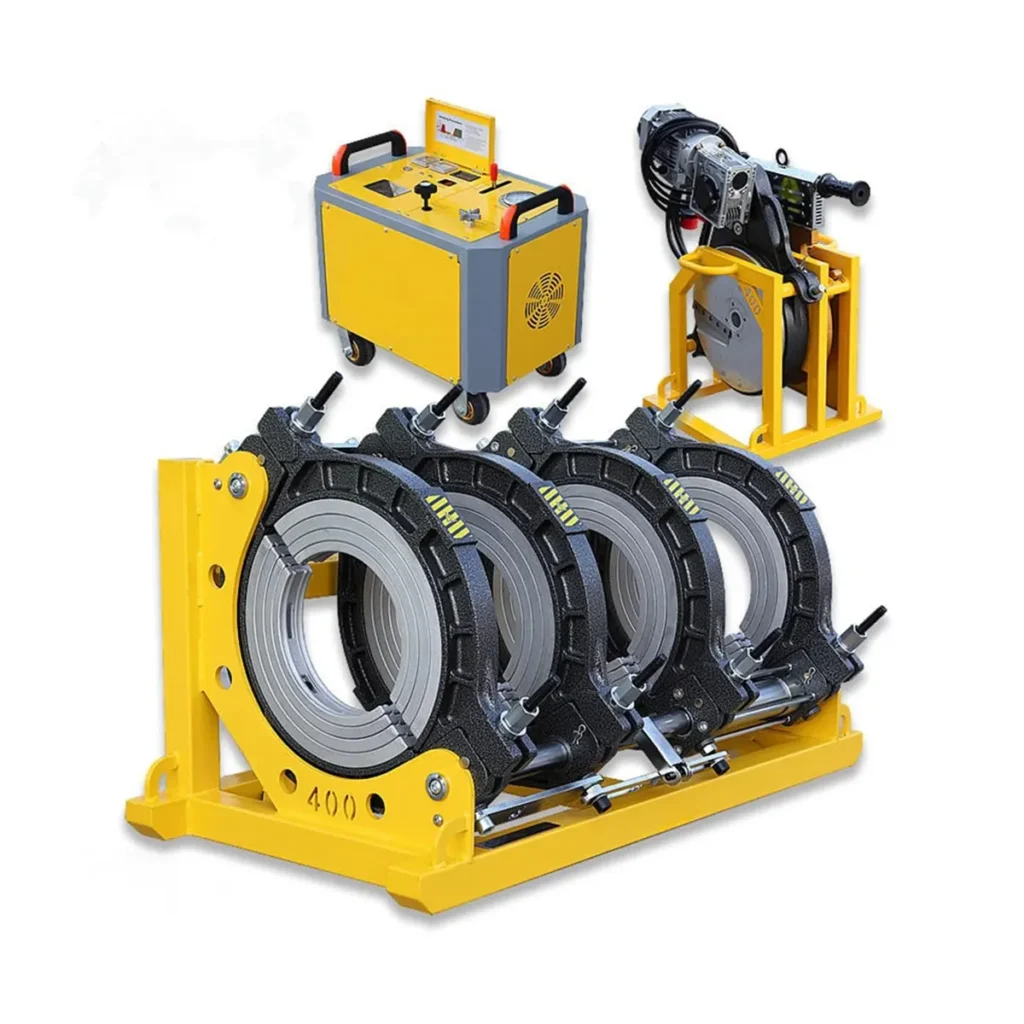
Looking for a trusted butt welder supplier in Malta to support water, gas, agricultural and industrial pipeline projects? Malta’s unique island environment, strict EU regulations, and growing infrastructure needs demand robust, corrosion-resistant HDPE welding solutions. This guide explains what local contractors, utility managers, and distributors should consider when choosing butt fusion equipment and highlights practical options for reliable onsite performance.
Why Malta Needs Durable Butt Fusion Welders
Malta’s coastal climate and saline air accelerate wear on conventional pipeline joints. For long-term leak-free performance, HDPE pipe systems joined by butt fusion are preferred across municipal water networks, desalination connections, irrigation systems, and underground gas distribution. Choosing the right butt welder reduces rework, lowers maintenance costs, and ensures compliance with EU-quality standards.
What Local Buyers Should Prioritize
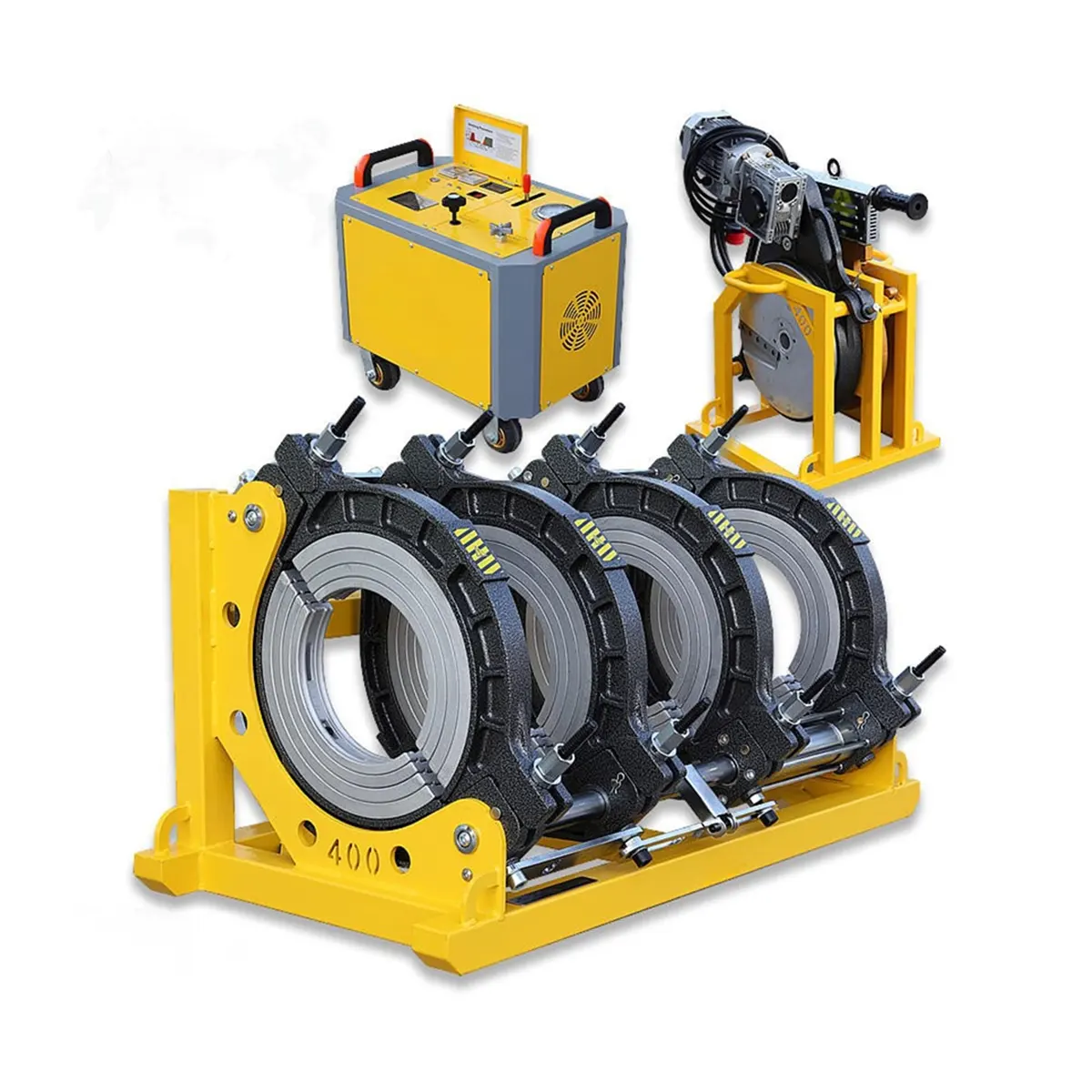
Portability: Many Maltese job sites are compact and near urban areas — choose machines that are easy to transport and set up. Corrosion resistance: Aluminum and stainless components withstand seaside conditions better. After-sales support: Fast spare parts shipping and local technical guidance minimize downtime on island projects.
Equipment Types & Typical Applications
Different project scales in Malta call for different machine classes. Manual and small hydraulic units suit repair crews and small-diameter PE pipes used in residential supply lines. Larger hydraulic or automatic CNC butt fusion machines are ideal for municipal mains, industrial plants, and larger-diameter installations for utilities and construction.
Quick Comparison — Typical Models for Malta Projects
| Model | Type | Pipe Range | Best Use |
|---|---|---|---|
| Manual Portable Unit | Manual | 20–160 mm | Service repairs, tight urban sites |
| 160–500 mm Hydraulic Frame | Hydraulic | 160–500 mm | Municipal mains, commercial projects |
| Automatic CNC Butt Fusion | Automatic | 200–1250 mm+ | Large-diameter pipelines, industrial works |
Installation, Certification & Local Compliance
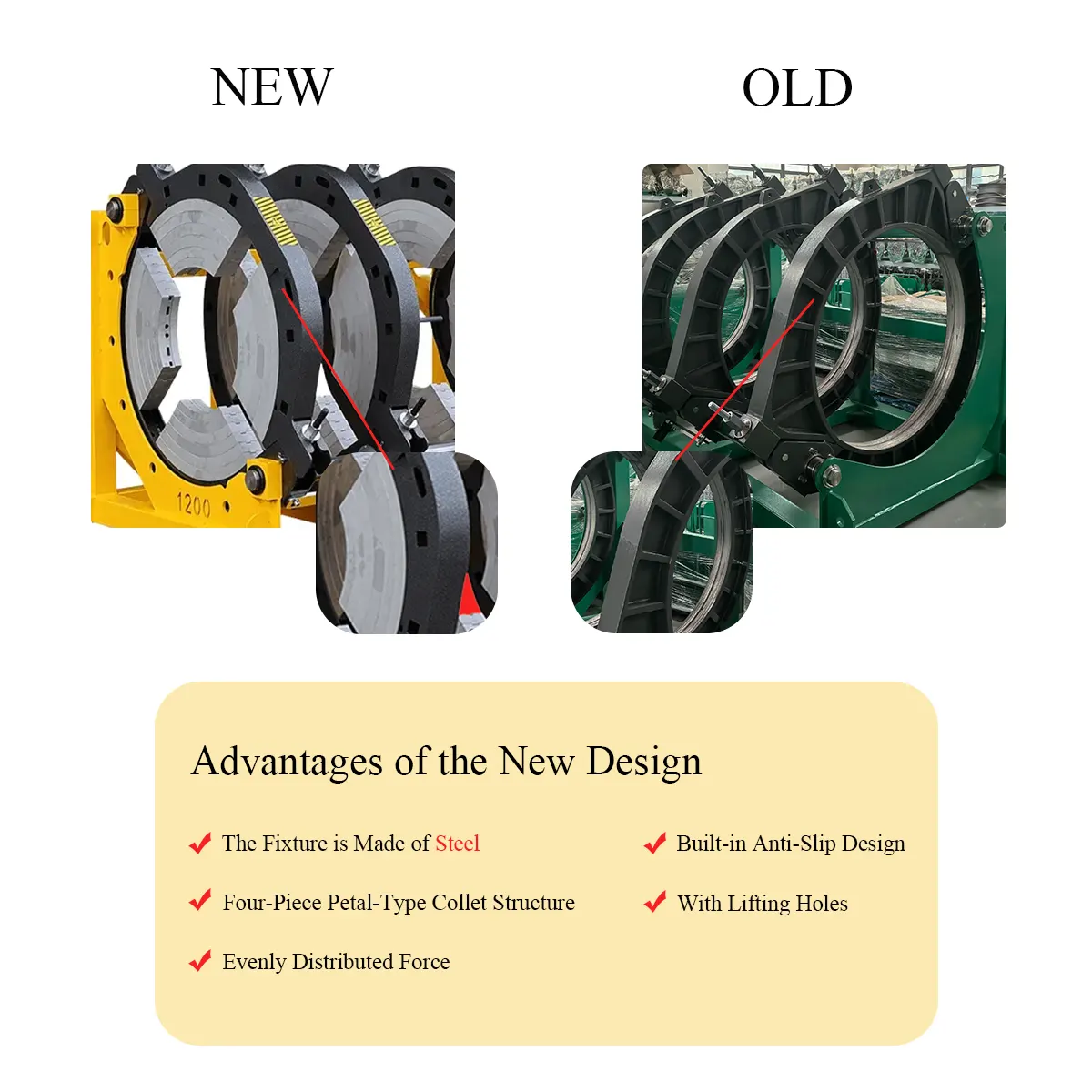
Contractors in Malta should confirm that welding procedures follow recognized standards (EN, ISO) and maintain equipment logs for audits. Training crews on proper heating, alignment and cooling cycles keeps joint integrity high — especially important for the island’s potable water and gas networks. Portable welders with clear controls reduce operator error during field work.
Shipping, Delivery & Support Considerations
Because Malta relies on port imports, factor in sea freight lead times, customs clearance, and local logistics when ordering larger machines. Look for suppliers offering spare parts kits, remote troubleshooting, and optional on-site commissioning to accelerate project start-up.
Why Choose a Specialist Manufacturer
Purchasing from an established manufacturer ensures consistent quality, traceable components, and engineered solutions for both small and large pipe diameters. For example, JQ-Fusion provides a wide range of manual, hydraulic and automatic butt fusion welding machines designed for infrastructure projects and offers configurable options to match specific application needs.
Practical Buying Tips
1. Match machine capacity to the largest pipeline diameter you plan to weld. 2. Prioritize models with easy-to-source wear parts. 3. Confirm available training and warranty terms. These steps reduce lifecycle cost and improve safety on confined Maltese job sites.
Common Questions from Maltese Buyers
Q: How portable should a unit be for island work?
A: For frequent small repairs in urban valleys and narrow streets, choose compact manual or light hydraulic models. For network expansion and utility mains, station larger hydraulic or automatic machines at staging areas near ports or depots.
Q: What maintenance is essential?
A: Keep heating plates clean, monitor hydraulic fluids, and inspect alignment clamps regularly. Replace seals and wear parts on schedule to avoid joint defects.
If you need accurate equipment matching for a Maltese project, evaluate site access, pipe material grades, and desired production rate before final selection.



