
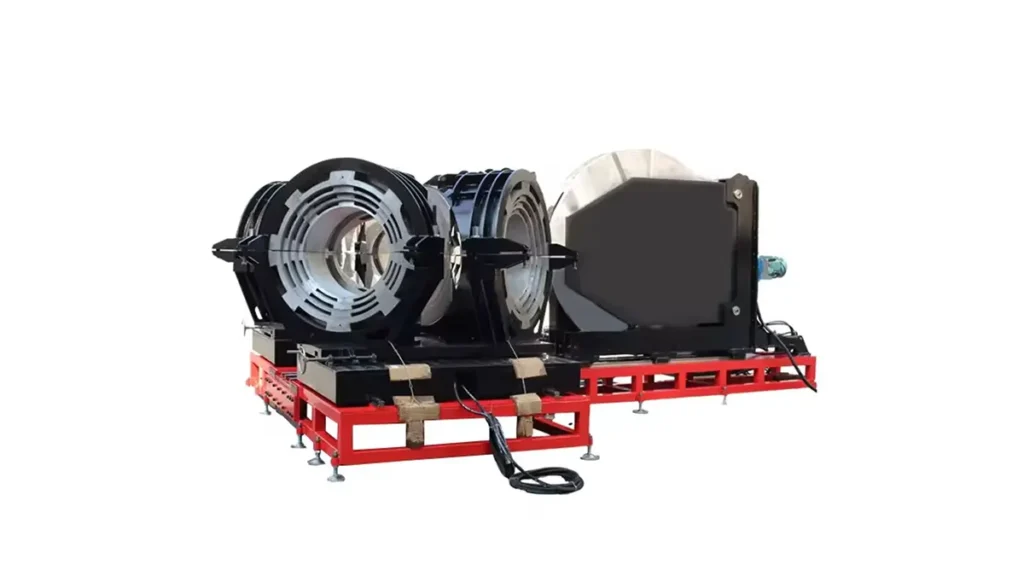
In modern gas distribution networks, creating leak-proof, high-strength joints is non-negotiable for safety and long-term reliability. A pipe fusion machine for gas pipelines is specifically engineered to join polyethylene (PE) pipes using controlled heat and pressure, forming a homogeneous bond that is often stronger than the pipe itself. This guide explores the essential machine types, their operational benefits, and a practical buying framework to help contractors and utility providers select the right equipment for gas infrastructure projects.
Understanding Butt Fusion in Gas Pipeline Construction
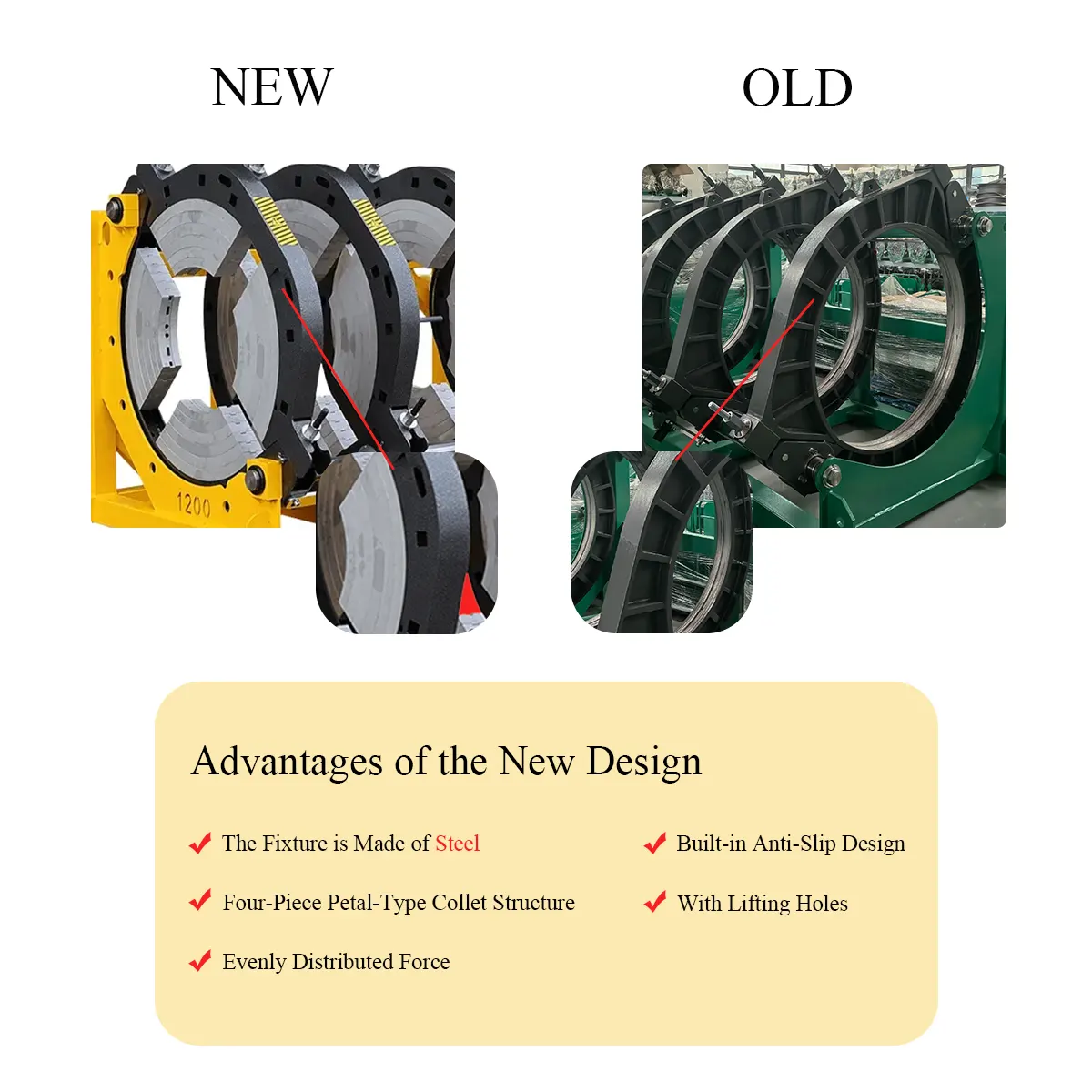
Butt fusion welding is the industry-standard method for constructing PE gas piping systems. Unlike mechanical fittings, this thermal process eliminates the need for additional couplers, significantly reducing the risk of leakage over the pipeline’s lifespan. The procedure involves aligning pipe ends, planing them to ensure cleanliness, heating to a precise temperature, and then fusing them under specifided interfacial pressure. Adherence to recognized standards such as ISO 21307 butt fusion procedures is critical to guarantee joint integrity in gas applications.
Key Types of Pipe Fusion Machines for Gas Applications
Selecting the correct configuration depends on pipe diameters, project scale, and required automation levels. Below is a comparative overview of the primary categories available for gas utility work.
| Machine Type | Typical Diameter Range | Best Suited For |
|---|---|---|
| Manual Butt Fusion Machines | 40mm – 250mm | Service lines, small-diameter gas distribution, repair work |
| Hydraulic Butt Fusion Machines | 160mm – 2250mm | Main gas transmission lines, large-scale infrastructure |
| CNC Automatic Butt Fusion Machines | 160mm – 630mm | High-volume urban gas networks requiring traceability |
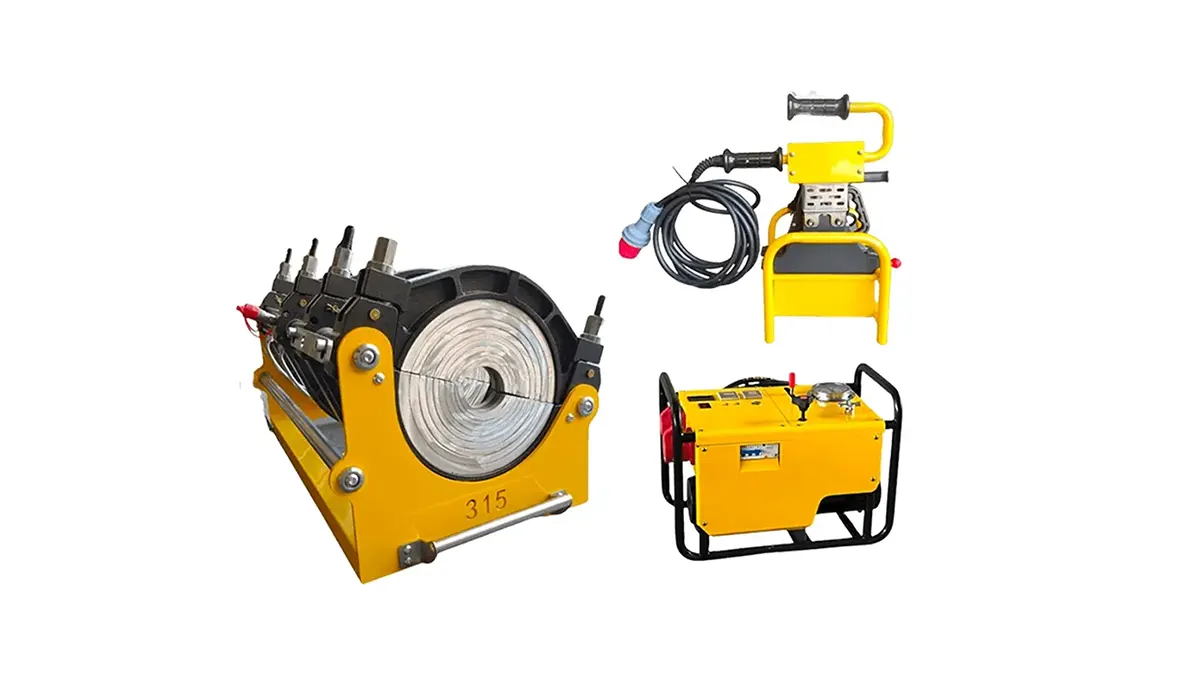
Hydraulic Machines: Power and Precision for Gas Mains
For medium to large-diameter gas mains, hydraulic systems deliver the high force necessary for consistent bead formation. These units often feature integrated data logging capabilities, which are essential for PE fusion traceability in accordance with ISO 12176-4 and ISO 4437-1 gas piping system requirements.
- Provides controlled, even pressure across large pipe faces
- Reduces operator fatigue during repetitive heavy-wall fusions
- Often equipped with automatic trimmer and heater plate systems
Benefits of Using Dedicated Gas Pipeline Fusion Equipment
Using a pipe fusion machine for gas pipelines goes beyond basic joining. It ensures engineered reliability under high-stress conditions. Modern machines are calibrated to maintain specific interfacial pressure, crucial for achieving the PE butt fusion process strength required to withstand soil loads and internal pressure fluctuations common in gas networks.
- Leak-Proof Joints: Creates a monolithic seal, essential for transporting gaseous fuels safely.
- Compliance: Machines designed with data loggers help operators conform to strict PE butt fusion equipment standards and ASTM F2620 heat fusion protocols.
- Corrosion Resistance: Fused PE systems connected by these machines eliminate metallic components subject to corrosion.
- Longer Service Life: Properly fused joints using certified equipment have a design life expectancy exceeding 50 years.
Essential Buying Guide for Gas Pipeline Fusion Machines
Investing in a fusion machine requires a thorough evaluation of technical specifications and quality assurance processes. When sourcing equipment for PE gas pipe operations, consider the following factors to ensure project success and regulatory compliance.
1. Confirm Diameter Compatibility and SDR Range
The machine must accurately handle the specific Standard Dimension Ratio (SDR) and diameter of your project’s gas pipes. Whether working with thin-wall service pipes or thick-wall mains, the clamping mechanism and facing tool must achieve perfect alignment and smooth end preparation without sacrificing wall thickness.
2. Prioritize Temperature Control Accuracy
Precise heater plate calibration is a cornerstone of quality fusion. Look for machines with digital displays and temperature variation tolerances within ±5°C. Non-uniform heating is a primary cause of weak fusion joints in gas systems, making this a critical safety feature.
3. Evaluate Data Recording Features
Advanced automatic and hydraulic models offer real-time monitoring and reporting. These records verify that critical welding parameters—such as fusion pressure, time, and temperature—met the required specifications for every joint, which is increasingly mandated for gas utility installations globally.
4. Assess Build Quality and Rigidity
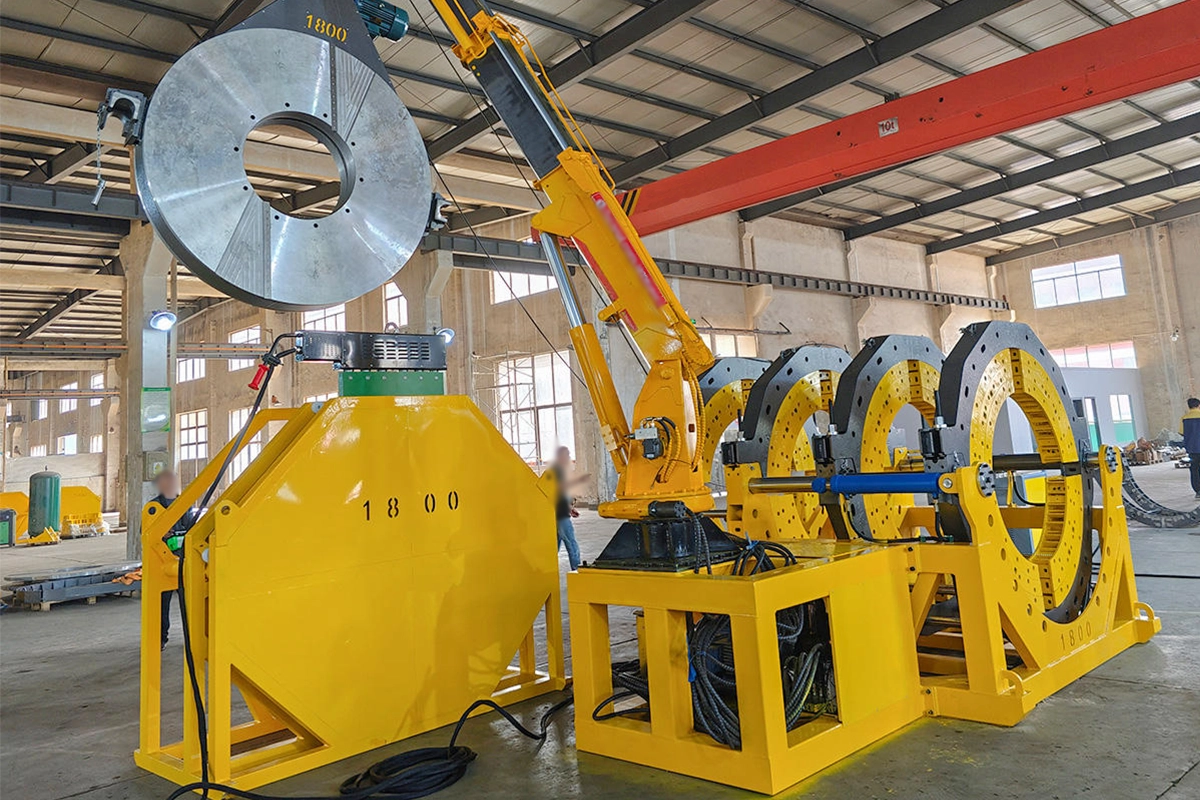
For heavy-duty field use, a robust machine frame and high-quality clamps are non-negotiable. Rigid frames prevent misalignment during the cooling phase, a crucial step where movement can introduce stress cracks. Manufacturers like JQ-Fusion focus on durable, customizable equipment designed to withstand challenging on-site conditions, delivering reliable performance across diverse gas pipeline projects.
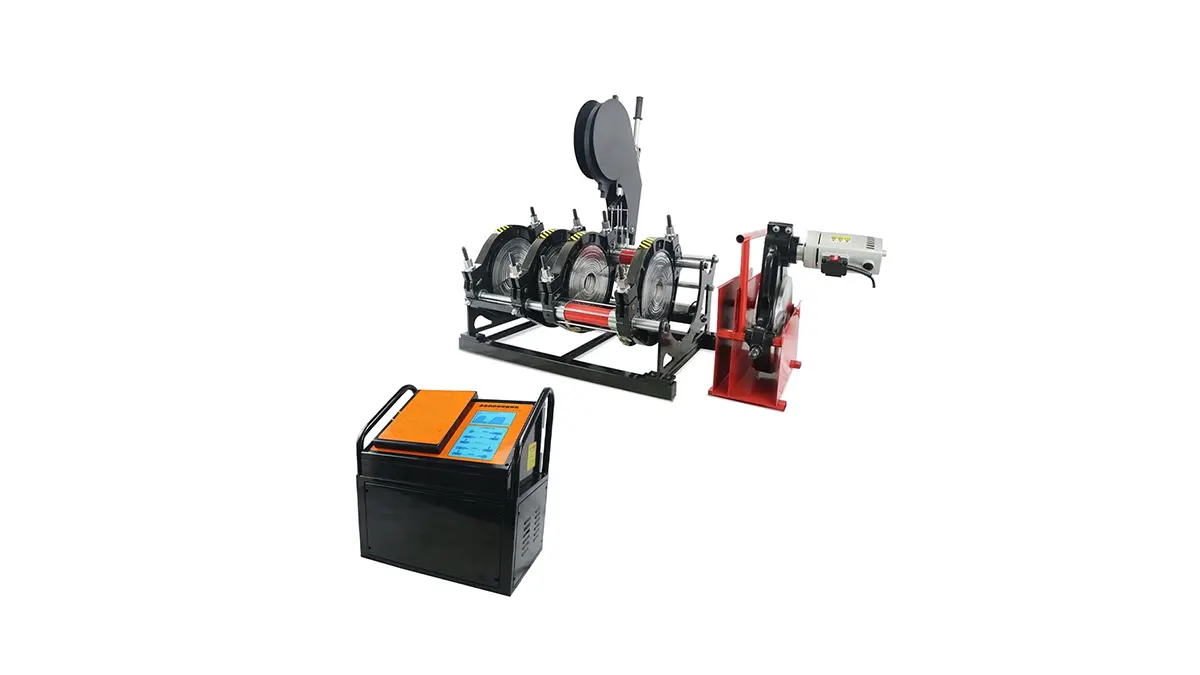
Automatic CNC Model for Traceability
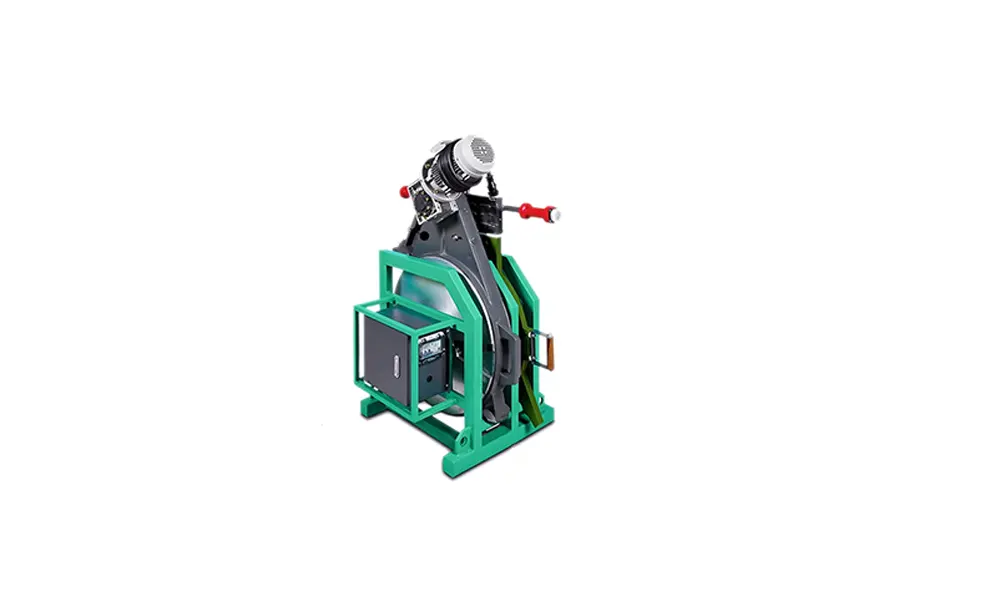
Precision Temperature Control Plate
Certifications and Operator Requirements
Operating a pipe fusion machine for gas pipelines demands skilled personnel. Equipment should be validated against international benchmarks, and operators must demonstrate proficiency. Adherence to PE fusion operator requirements is a standard prerequisite in most jurisdictions to ensure that the human element aligns with machine capabilities.
Maintenance and Training Support
Reliable after-sales support significantly impacts long-term equipment value. A trusted supplier should provide comprehensive maintenance guidelines and access to spare parts for critical components like the heater plate surface coating and hydraulic cylinders. Before purchasing, verify the availability of training resources to keep your team updated on the latest fusion joining procedures for PE gas fusion fittings and high-pressure mains.
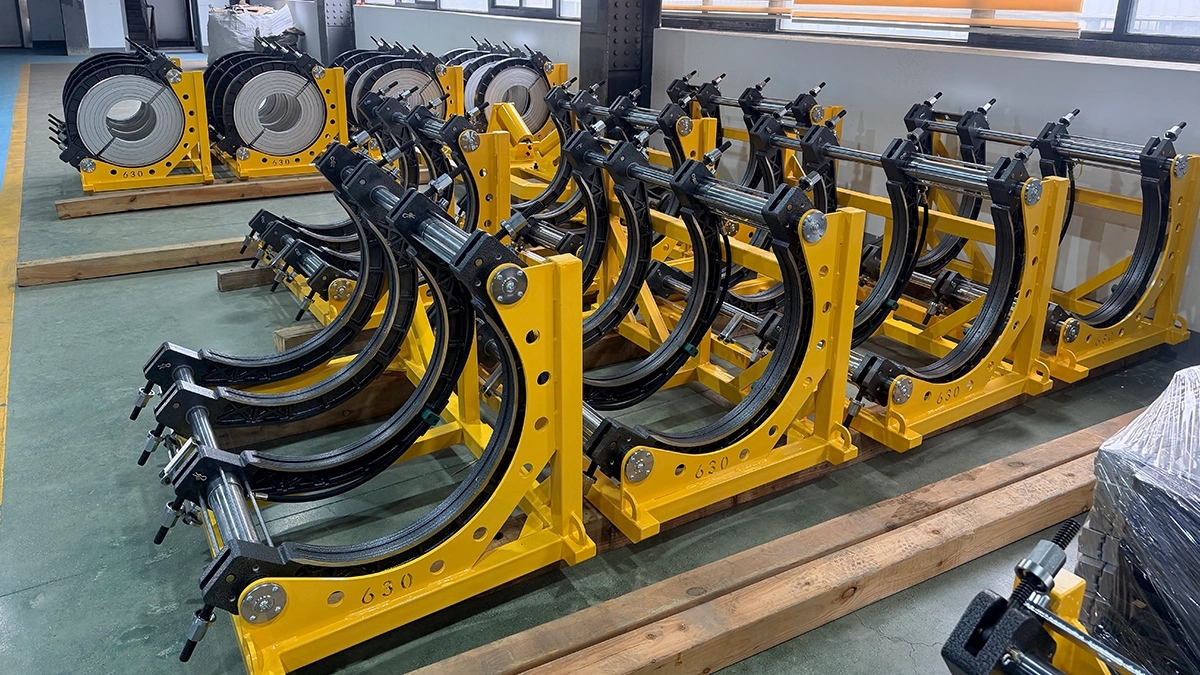
Choosing the right equipment defines your project’s safety record. A precisely engineered pipe fusion machine for gas pipelines is your frontline defense against future failures, ensuring the secure transport of natural gas through reliable pipe welding equipment designed for peak field performance.



