
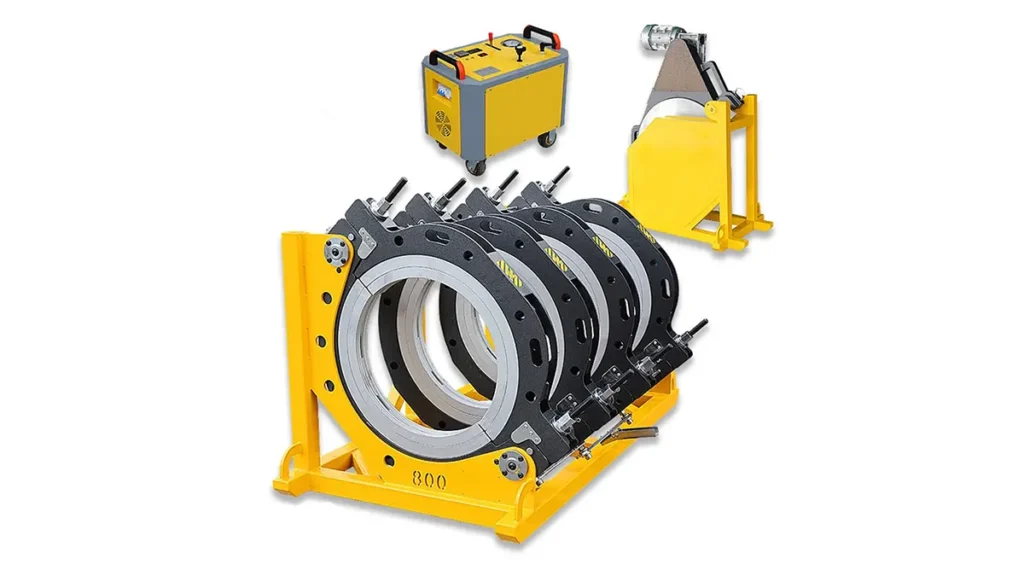
High-density polyethylene (HDPE) piping systems have become the backbone of modern infrastructure, from municipal water supply and gas distribution to mining and industrial applications. The integrity and longevity of these systems depend heavily on the quality of pipe joints, which is where a poly fusion machine for HDPE pipes becomes indispensable. Understanding how these machines work, what features to look for, and how to select the right model can significantly impact project outcomes, reduce long-term maintenance costs, and ensure compliance with international standards.
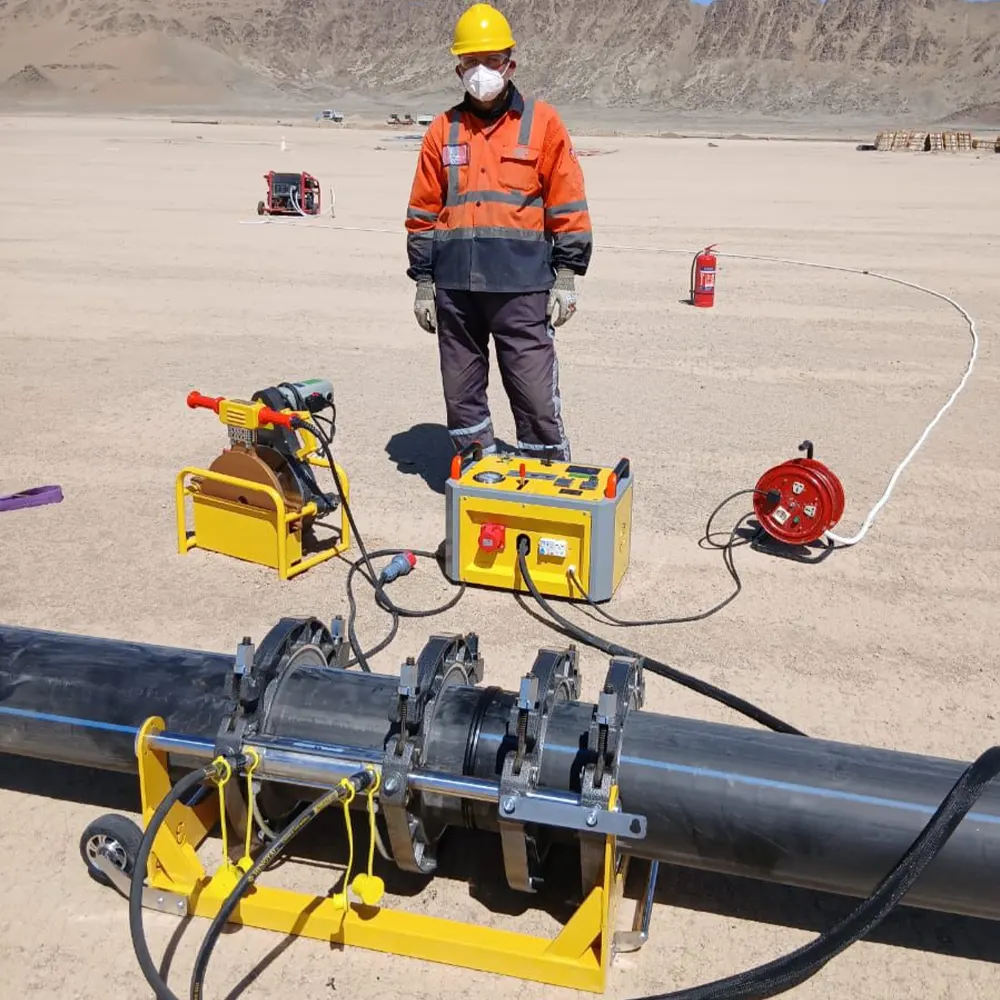
Understanding Poly Fusion Technology for HDPE Pipes
Poly fusion, commonly referred to as butt fusion welding, is a thermal joining process that creates a permanent, monolithic connection between HDPE pipe sections. The process involves heating the pipe ends against a precisely controlled heating plate until they reach a molten state, then pressing them together under controlled pressure to form a homogeneous bond. Unlike mechanical fittings or adhesive joints, a properly executed fusion joint creates a seamless connection that is actually stronger than the pipe itself. This technique is governed by rigorous standards including ISO 21307 butt fusion procedures and ASTM F2620 heat fusion guidelines, which specify exact parameters for temperature, pressure, and cooling times based on pipe diameter and wall thickness.
Key Features of a Quality Poly Fusion Machine
When evaluating a poly fusion machine for HDPE pipes, several critical features distinguish professional-grade equipment from substandard alternatives. The machine frame must provide rigid clamping and precise alignment to ensure pipe ends meet perfectly during the fusion cycle. Look for the following essential components and capabilities:
- Precision-machined clamps with high-torque locking mechanisms that prevent pipe slippage during the welding process
- Digital temperature control on the heating plate with uniform surface heat distribution and minimal temperature deviation
- Hydraulic or mechanical pressure systems that maintain consistent force throughout the heating, fusion, and cooling phases
- Removable pipe supports and inserts that accommodate various pipe diameters without requiring separate machines
- Durable construction materials including high-grade aluminum alloys or steel frames designed to withstand harsh field conditions
- Integrated data logging capabilities on advanced models for recording fusion parameters and ensuring traceability
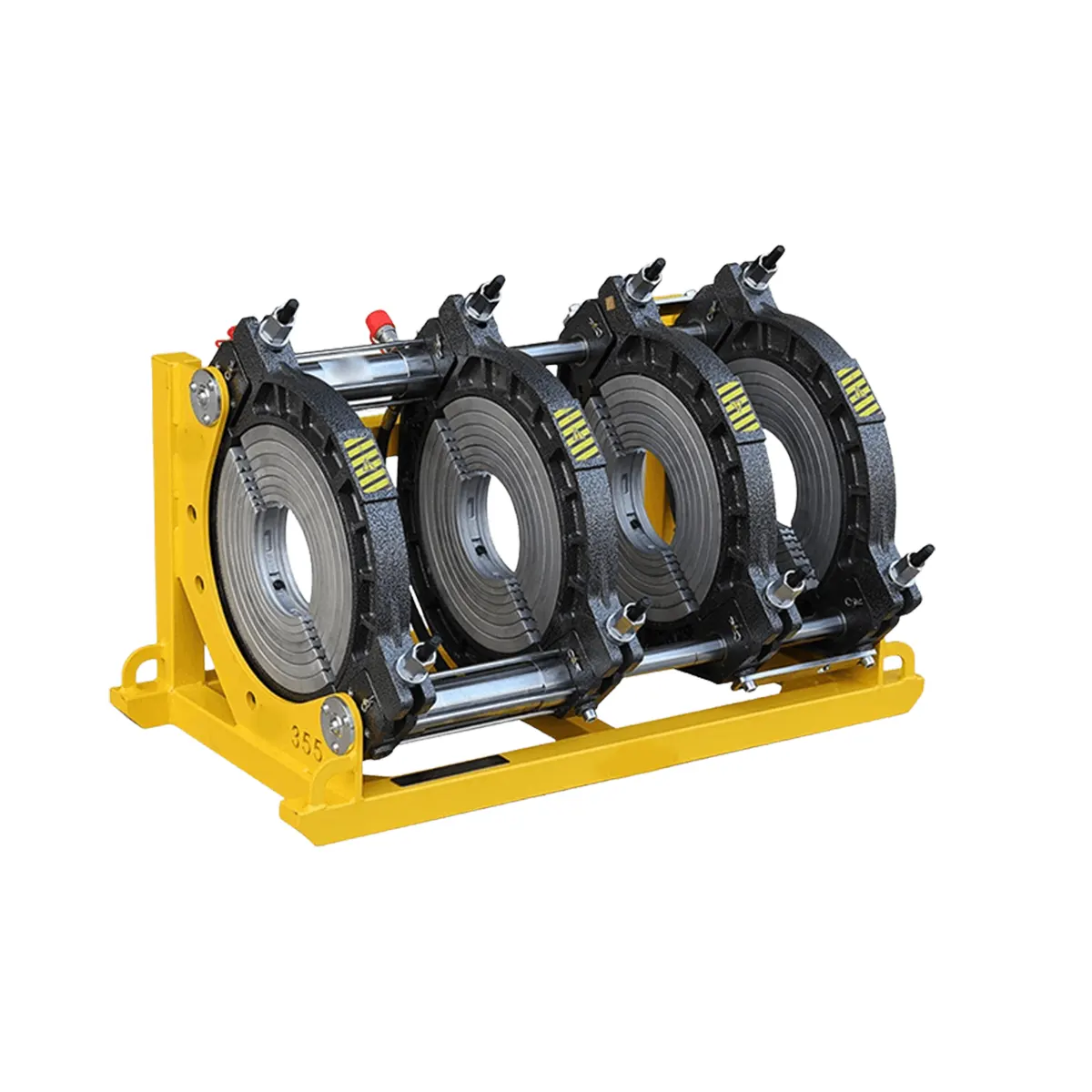
Benefits of Using Poly Fusion Welding for HDPE Pipes
Investing in a reliable poly fusion machine for HDPE pipes delivers measurable advantages throughout the project lifecycle. The most significant benefit is the creation of leak-free, maintenance-free joints that can last for decades without degradation. Unlike gasketed or mechanical connections that may loosen over time, butt fusion joints maintain their integrity even under ground movement, temperature fluctuations, and high internal pressures. Additional operational benefits include reduced installation time compared to alternative joining methods, elimination of costly fittings and adapters, and the ability to prefabricate long pipe strings above ground before lowering into trenches. For gas distribution and water supply networks, these advantages translate directly into lower total cost of ownership and enhanced public safety.
Types of Poly Fusion Machines for Different Applications
Selecting the right type of machine depends on your project scope, pipe diameter range, and working environment. The table below summarizes the main categories of HDPE pipe welding equipment available for various applications:
| Machine Type | Diameter Range | Best Applications | Key Advantage |
|---|---|---|---|
| Manual Butt Fusion | 20mm – 315mm | Small-scale plumbing, rural water projects, utility maintenance | Lightweight, portable, cost-effective |
| Hydraulic Butt Fusion | 160mm – 2500mm | Municipal water mains, gas pipelines, mining slurry lines | High clamping force, consistent pressure control |
| CNC Automatic Fusion | 160mm – 630mm | Projects requiring traceability, large-scale installations | Automated cycles, data logging, reduced operator error |
| Multi-Angle Fitting Machines | Up to 1600mm | Fabrication of elbows, tees, and custom fittings | Variable angle welding, shop fabrication |
For contractors handling large-diameter installations, hydraulic butt fusion machines offer the power and precision necessary to handle pipes up to 2500mm in diameter. Meanwhile, CNC automatic fusion welding systems are increasingly specified for projects where documentation and repeatability are critical requirements.
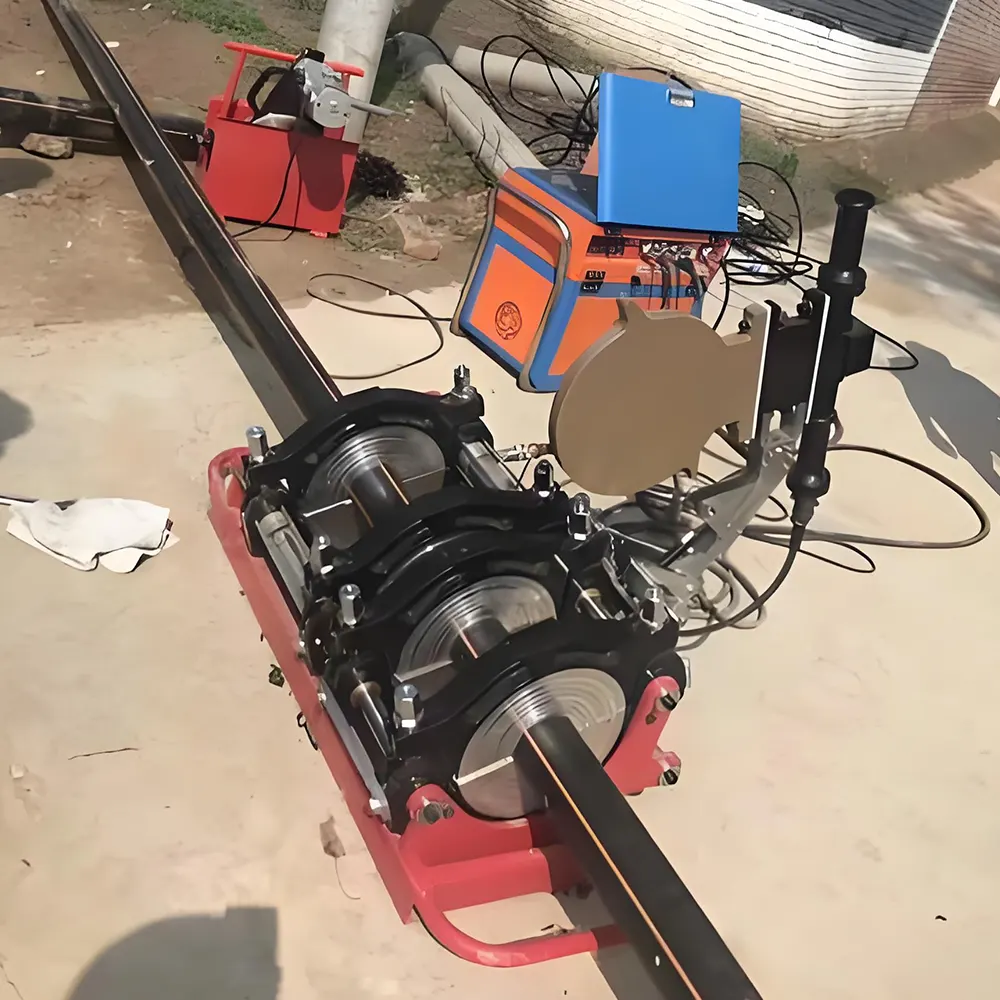
How to Choose the Right Machine: A Practical Buying Guide
Making an informed purchase decision requires evaluating several factors beyond the initial price tag. Start by clearly defining your pipe diameter range and wall thickness requirements — selecting a machine that comfortably handles your maximum pipe size while also accommodating smaller diameters with appropriate inserts. Consider the working environment: field-based operations demand portability and durability, while shop fabrication allows for heavier, more feature-rich equipment. Evaluate the power source availability at your job sites, as some hydraulic units require external power packs. Additionally, assess the skill level of your operators — automatic and CNC-controlled machines can compensate for less experienced personnel, while manual machines require trained technicians for consistent results. The PPI butt fusion procedure provides excellent guidance on operator qualification and procedural requirements.
Maintaining Your Fusion Equipment for Long-Term Performance
Even the most robust poly fusion machine for HDPE pipes requires regular maintenance to deliver consistent welding quality. The heating plate surface must be kept clean and free from polymer residue — use non-abrasive cleaning pads and avoid metal scrapers that can scratch the non-stick coating. Regularly verify temperature calibration using a digital pyrometer, as inaccurate heating plate temperatures are a leading cause of joint failure. Inspect clamp inserts for wear and replace them when they no longer provide uniform grip around the pipe circumference. Hydraulic systems should undergo periodic fluid changes and seal inspections according to the manufacturer’s recommendations. Establish a maintenance log for each machine and train operators to perform pre-use checks before every welding session.
Why Quality Manufacturing Matters
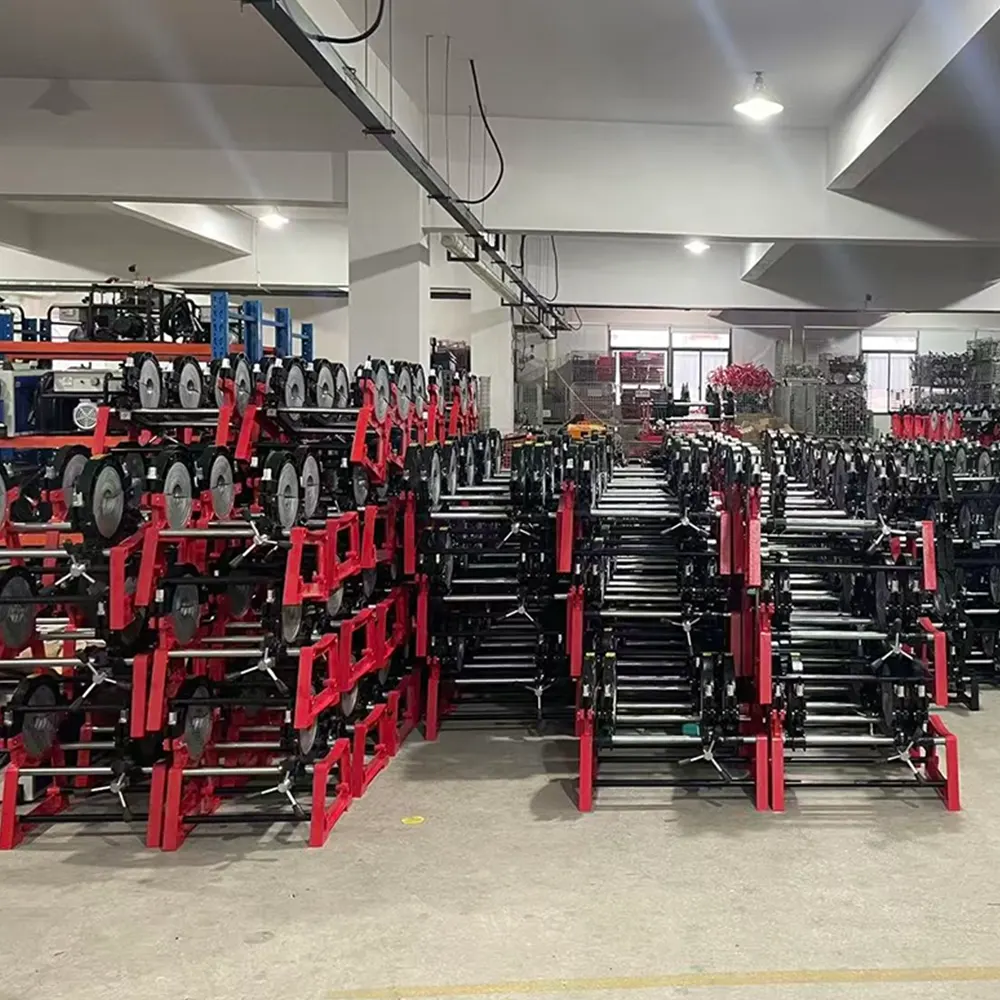
The difference between a dependable fusion joint and a potential failure point often comes down to manufacturing quality. Precision-engineered clamps maintain alignment within fractions of a millimeter, while properly calibrated heating plates deliver uniform temperature distribution across the entire welding surface. JQ-Fusion specializes in manufacturing HDPE pipe welding machines that meet these exacting standards, providing reliable butt fusion solutions for global infrastructure projects. When sourcing equipment, look for manufacturers who provide comprehensive documentation, offer responsive technical support, and maintain ready stock of spare parts and consumables. Investing in quality equipment from the outset reduces downtime, minimizes rework, and protects the long-term integrity of your pipeline installations.
Additional Resources and Standards
For further reference on HDPE pipe joining best practices, consult the following authoritative resources that guide proper fusion procedures worldwide:
- What is HDPE butt fusion — PE100+ Association — comprehensive technical guidance on the fusion process
- PPI Handbook of Polyethylene Pipe — the definitive industry reference for PE piping systems
- PE pipe jointing best practices — TEPPFA — European good practice guides for joining technologies
- PE butt fusion equipment standard ISO 12176-1 — international standard for fusion equipment specifications



