
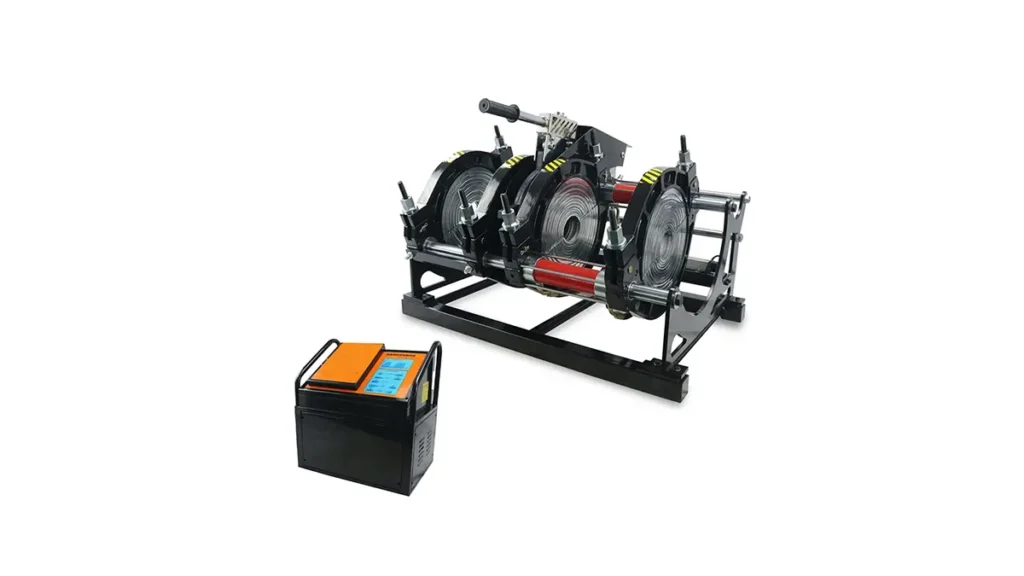
Choosing the right butt fusion machine in Morocco means balancing local project demands—urban water networks in Casablanca, rural irrigation in Souss-Massa, and gas distribution across arid regions—with machine capability, portability, and long-term serviceability. This guide helps contractors, municipal engineers, and pipeline installers in Morocco pick the best HDPE pipe welding solution for their needs.
Why Butt Fusion Is Preferred for Moroccan Pipelines
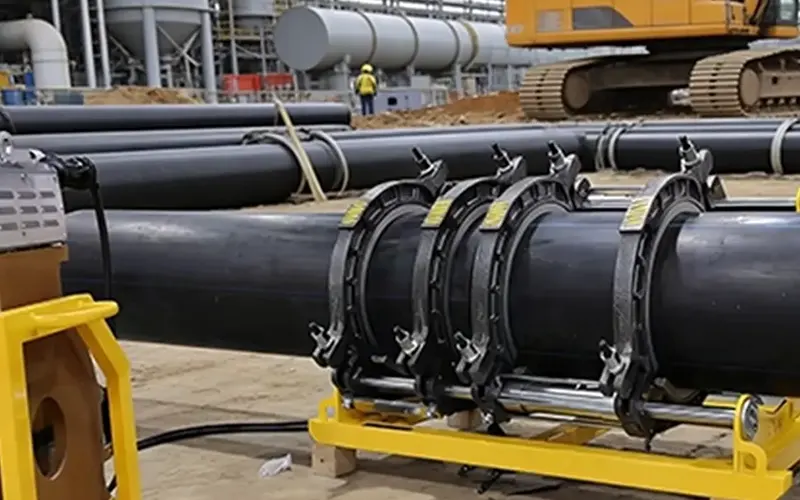
Butt fusion creates leak-free, homogenous joints ideal for potable water, sewer, irrigation, and gas lines. In Morocco’s mix of coastal humidity and inland heat, HDPE systems joined by butt fusion resist corrosion and ground movement better than many alternatives. For local contractors, the method delivers reliability and long-term cost savings.
Types of Butt Fusion Machines and Where They Fit in Morocco
Manual Machines
Best for small-diameter pipes, remote sites, and budget-conscious teams. Manual units are lightweight and easy to transport between rural job sites and farms.
Hydraulic Machines
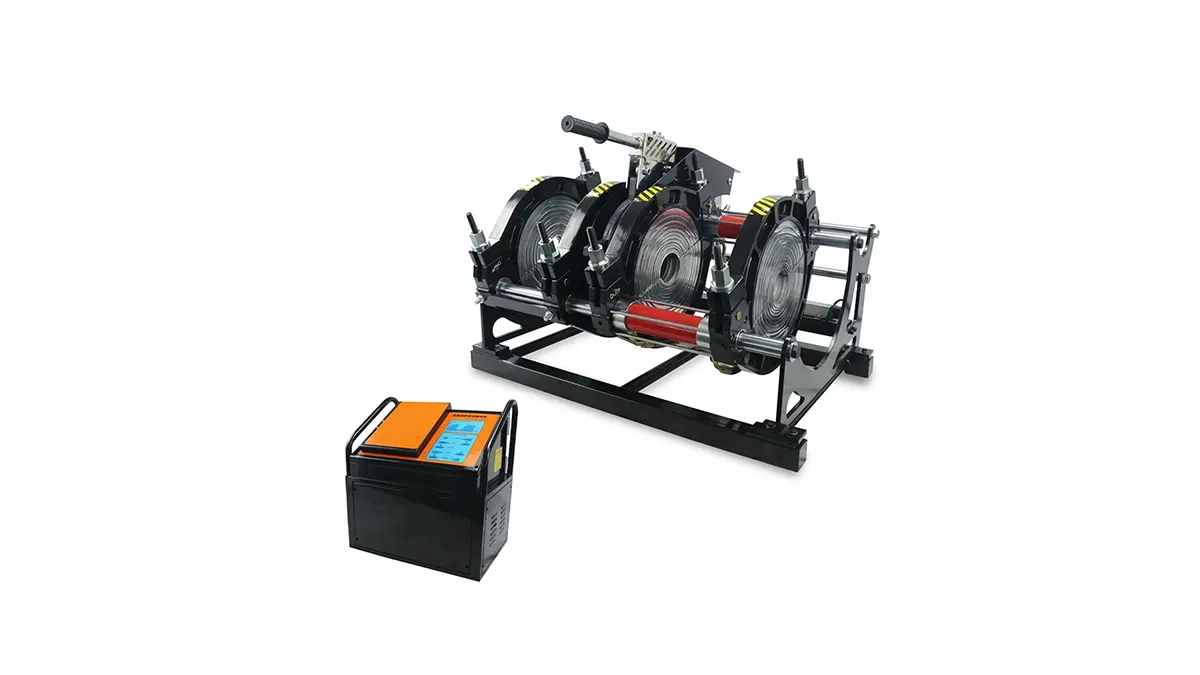
Offer more clamping force and faster alignment, good for medium to large diameters used in municipal mains and irrigation networks. Hydraulic rigs are a practical choice for regional contractors who require durability and consistent weld quality.
Automatic / CNC Machines
Designed for high-volume urban projects and factory-style prefabrication. Automatic machines provide precise control over temperature, pressure, and timing—helpful for meeting strict QA requirements on major Moroccan infrastructure projects.
How to Choose the Best Machine for Your Project
Key selection criteria:
- Pipe diameter range: Match machine capacity to the common diameters on your projects (e.g., 20–160mm for distribution, 160–1200mm for mains).
- Mobility vs. automation: Manual/hydraulic for fieldwork; automatic/CNC if you need repeatable, documented welds for large contracts.
- Power and site logistics: Consider fuel, generator access, and transport on mountainous or desert roads.
- Training and manpower: Hydraulic and automatic units give more consistent results with trained operators—plan for operator training.
Product Comparison Snapshot
| Model Type | Typical Diameter Range | Best For |
|---|---|---|
| Manual (e.g., JQLX / SY series) | 20–315mm | Remote sites, small repairs |
| Hydraulic (e.g., JQH series) | 63–2000mm | Municipal mains, durable field use |
| Automatic/CNC (e.g., JQA series) | 63–1250mm+ | Large contracts, factory prefabs |
Site Considerations Specific to Morocco
Morocco’s coastal air can accelerate metal corrosion on auxiliary tools, while high daytime temperatures in inland regions affect heating plate cooling times. Choose machines with corrosion-resistant components, and plan welding schedules to avoid extreme midday heat. For mountainous routes, prioritize compact, portable setups and reliable after-sales logistics.
Maintenance, Spare Parts & Training
Look for suppliers who provide accessible spare parts, on-site training, and documented welding procedures. Regular maintenance—calibrating heaters, inspecting hydraulic seals, and keeping clamping surfaces clean—extends machine life and ensures consistent weld quality.
Certifications and Quality Assurance
Require machines and welding procedures that comply with international standards (ISO/ASTM/EN) and local Moroccan contracting specifications. Automatic machines that log weld parameters help with QA/QC acceptance by project owners and consultants.
About JQ-Fusion
JQ-Fusion is a professional manufacturer specializing in HDPE pipe welding machines, providing reliable butt fusion solutions for global infrastructure projects. With years of industry experience, we focus on the development and production of manual, hydraulic, and CNC automatic butt fusion welding machines, covering a wide range of pipe sizes from small to large diameters. Our products are widely used in water supply, gas distribution, mining, and industrial pipeline systems.
Final tip: For many Moroccan projects, a robust hydraulic machine covers most needs; add an automatic unit for high-volume urban contracts and a portable manual unit for field repairs to maximize flexibility and ROI.



